How to Choose the Right Drawer Channel for Your Project?
Choosing the right Drawer Channel affects how smoothly a cabinet opens, how much weight it can carry, and how long it remains reliable. The best option depends on the drawer’s dimensions, intended use, and installation conditions. A kitchen utensil drawer has different demands from a deep workshop drawer holding tools. Small details matter.
Before comparing products, measure the drawer box and cabinet opening carefully. Check the available side clearance, mounting position, and required extension. Then estimate the loaded weight, not just the weight of the empty drawer. A channel that feels sturdy during a quick test may still bind when overloaded or installed out of alignment. That’s easy to overlook.
This guide examines common channel types, load ratings, materials, extension styles, and soft-close features. It also explains how to match specifications to everyday use, rather than choosing by appearance alone. Product ratings and dimensions can vary, so confirm the manufacturer’s installation details before buying. Even careful measurements have limits; wood movement, uneven cabinets, and assembly tolerances can affect performance. A little rechecking helps. The goal is a drawer that opens smoothly, closes predictably, and suits the project without unnecessary cost.
Identify Slide Type and Check the Typical 1/2-Inch Side Clearance
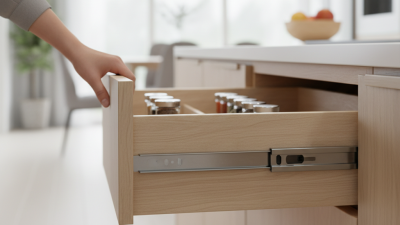
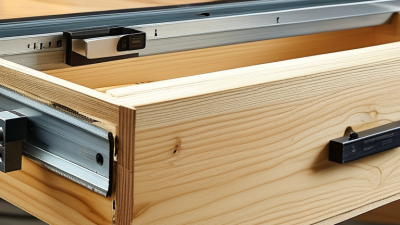
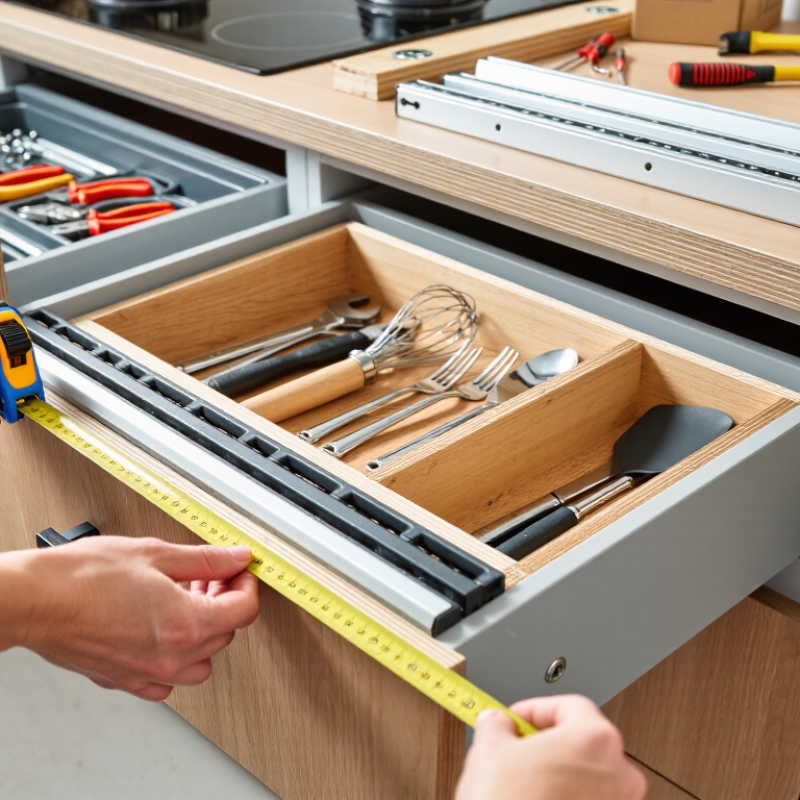
Choosing a drawer channel starts with identifying how it mounts. Side-mount slides attach to the drawer’s outer sides and cabinet walls. Undermount slides sit beneath the drawer, while center-mount styles use a single track. The mounting type determines the space required, so do not assume every slide fits the same opening.
For many side-mount slides, allow about 1/2 inch of clearance on each side. Check the slide’s installation sheet, since some models need a different gap. Measure the cabinet opening at the front, middle, and back, then measure the drawer box. Divide the width difference by two to estimate clearance per side. Measure twice. A cabinet can be slightly out of square, and the first measurement may look convincing but still be wrong. Also check for protruding screws, thick coatings, or uneven drawer sides. Small differences matter. If the drawer rubs when tested by hand, recheck the measurements before tightening every screw.
How to Choose the Right Drawer Channel
Identify the slide type first, then check its installation requirements. Many side-mount slides need about ½ inch of clearance on each side.
For a typical side-mount slide, allow about 1 inch total between the drawer width and the cabinet opening. Requirements vary by slide model; confirm the manufacturer’s specifications before building.
Measure Drawer Length and Cabinet Depth Before Selecting Slide Travel
Measure the cabinet’s usable depth from the mounting area at the front to the first obstruction at the back. Include rear panels, brackets, and any protruding hardware. Then measure the drawer box from its front edge to its back edge; the decorative drawer front can extend beyond it. Small differences matter.
The drawer box and cabinet must both accommodate the slide’s specified length. A slide that is too long may hit the cabinet back, while a much shorter slide can leave the drawer partly hidden when open. Check the manufacturer’s installation dimensions, including required clearances on both sides. Full-extension slides generally travel about the length of the slide, but confirm the product specification rather than assuming every design behaves alike.
Measure both cabinet sides, since older cabinets may not be perfectly square. If the cabinet depth allows a certain slide length but the drawer box is shorter, do not force a match; verify the required mounting space and drawer-length guidance. I have seen a careful front-to-back measurement miss a rear bracket by a small amount. Recheck the depth after accounting for fittings, and test the slide position before drilling permanent holes.
Match Slide Capacity to the Load: Compare 75-, 100-, and 150-lb Ratings
A drawer slide’s weight rating should match the loaded drawer, not just the items inside it. Include the drawer box, handle, and stored contents when estimating total weight. A 75-pound pair often suits cutlery, folded linens, or small office supplies. It may be enough for a shallow drawer with light, evenly distributed contents. Keep a little room for heavier items you may add later.
A 100-pound rating is a practical middle ground for cookware, pantry goods, or frequently used workshop tools. Picture a drawer holding a cast-iron pan: the load is concentrated, and repeated opening can add stress. A 150-pound pair is better suited to heavier tool drawers or dense materials, provided the cabinet and fasteners can support them too. Higher capacity alone does not fix weak mounting.
Check how the stated rating is measured. Some ratings apply to a slide pair under specific installation conditions, and product details can vary. Confirm whether the figure includes full extension and whether the drawer must be loaded evenly. A safety margin helps. It is tempting to choose the highest number and move on, but that can mean unnecessary cost without solving poor alignment. Measure carefully, and check the slide maker’s load guidance before ordering. The rating is useful, not magic.
Choose Partial, Full, or Over-Extension for the Required Drawer Access
Drawer travel determines how much of the storage space you can actually reach. Partial-extension slides leave part of the drawer inside the cabinet when open. They can suit shallow drawers for utensils or small supplies, especially when rear access is rarely needed. They may also work where a door or nearby fixture limits clearance. Check the usable opening, not just the drawer’s outside dimensions.
Full-extension slides bring the drawer forward so you can reach items near the back. This is useful for deep kitchen drawers, tool storage, or office files. A clear view helps prevent small objects from getting buried. The trade-off is that the drawer needs enough room to open fully. Measure nearby handles, doors, and walkways before choosing.
Over-extension slides travel beyond the cabinet opening, giving extra access to the rear and sides. They can help when drawers sit beneath a counter lip or hold bulky equipment. That extra reach is not always better; it may create a collision or feel awkward in a tight space. Check the load rating and slide length against the drawer’s contents. A loaded test can reveal problems that a paper measurement misses. I still find clearance easy to underestimate, so leave room for the drawer to move without scraping.
Check Mounting, Materials, and Rated Load Against the Project Conditions
Choose the mounting style around the cabinet, not habit. Side-mount channels need clearance on both drawer sides; undermount systems need compatible drawer dimensions and a clear underside. For a retrofit, measure the opening at the front, middle, and back. Small differences matter. ANSI/BHMA A156.9-2020 sets performance and test methods for cabinet hardware, including load and repeated-operation testing. Treat its requirements as a useful benchmark, then check the channel’s own rating and test conditions.
Match materials to the room. Plated steel suits many dry interiors, while damp kitchens or utility spaces may need corrosion-resistant finishes. Check the full- extension rating, not just a headline load figure. Add the drawer’s weight, contents, and likely uneven loading; a stack of plates behaves differently from folded towels. ISO 7170:2021 provides strength, durability, and stability test methods for storage furniture, but real installations still depend on correct alignment and fastening. I recheck screw positions before fitting—easy to overlook.
Tip: Test the channel with the drawer loaded. Listen for scraping, watch for sag, and confirm smooth travel at full extension. If the cabinet is out of square, correct that before blaming the hardware.