10 Best Drawer Channels for Global Buyers?
Choosing the right Drawer Channel is rarely a simple matter of price or appearance. Global buyers must compare load capacity, extension length, closing performance, corrosion resistance, and installation accuracy. A channel that glides quietly in a showroom may struggle under a fully loaded kitchen drawer. Small details matter. Steel thickness matters. Ball-bearing quality matters. Even a two-millimeter alignment error can create uneven movement.
Philipp Blum, a senior voice at Blum, expresses the user-centered principle clearly: “The best hardware disappears in daily use.” That idea guides this selection of the 10 Best Drawer Channels for Global Buyers. The list considers widely available systems from established manufacturers, including concealed runners, side-mount channels, soft-close designs, and heavy-duty options. It also examines practical concerns, such as cabinet compatibility, technical documentation, replacement availability, and supplier consistency across markets.
Experience suggests that no single channel suits every project. A premium undermount runner may offer elegant movement, but it can demand stricter cabinet tolerances. A side-mount channel may install faster, yet remain visible from the cabinet opening. Some products perform well in dry interiors but need stronger corrosion protection in coastal environments. That difference is easy to overlook.
This guide is not a perfect ranking. Product specifications can change, and regional stock can be uneven. Buyers should still request samples, verify test data, and inspect the actual finish before ordering in volume. The strongest choice is not always the most expensive one. It is the Drawer Channel that matches the drawer, cabinet, climate, workload, and installer’s real capabilities.
What Drawer Channels Are and How They Work
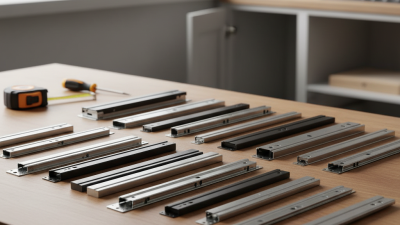
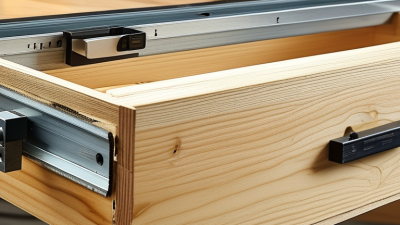
Drawer channels are the hardware tracks that let a drawer open, close, and stay aligned. One rail attaches to the cabinet side, while another attaches to the drawer. Ball bearings or rollers move between them, transferring weight during every opening cycle. Some channels offer partial extension. Others pull the drawer fully outside the cabinet, improving access to rear items.
Performance depends on more than smooth movement. Buyers should check load capacity, extension length, mounting clearance, corrosion resistance, and closing control. A kitchen drawer holding plates needs stronger support than a bedroom drawer holding clothing. Soft-close channels use a damper to slow the final movement. The effect should feel controlled, not weak. Poor alignment can still cause scraping.
According to Grand View Research, the global furniture market was valued at about 516.6 billion dollars in 2022, showing the scale of demand for dependable hardware. ANSI/BIFMA storage-unit testing also highlights durability, stability, and repeated-use performance as practical concerns. These reports do not measure every drawer channel directly, but they provide useful purchasing context. In my experience, buyers often trust a high load rating too quickly. Real cabinet materials, screw quality, installation accuracy, and humidity can change results. Small details matter. A two-millimeter misalignment may become obvious after months of daily use. Specification sheets should be checked against actual cabinet dimensions, not copied from a general product list.
10 Best Drawer Channels for Global Buyers: What Drawer Channels Are and How They Work
Drawer channels are hardware systems that guide drawers during opening and closing. The chart compares typical rated load capacities for widely used channel types. Actual performance depends on size, installation quality, cycle testing, and the manufacturer’s specification.
Buyer tip: Select a channel with a rated load capacity above the intended drawer weight, especially for wide drawers, frequent-use furniture, kitchen storage, and industrial applications.
Key Types of Drawer Channels for Different Applications
Drawer channels vary by load, visibility, and working environment. Ball-bearing channels suit office cabinets, kitchen units, and workshop drawers needing smooth, full extension. Their steel tracks handle frequent opening and provide clear access to rear items. Side mounting is practical, but it reduces internal drawer width slightly.
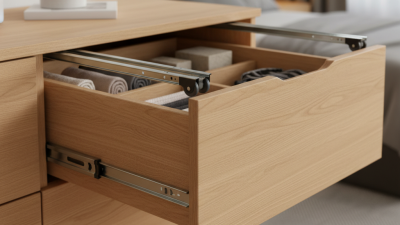
Undermount channels remain hidden beneath the drawer, creating a clean appearance for premium furniture and residential kitchens. They often include soft-closing movement, which protects fingers and reduces impact noise. However, installation requires accurate drawer dimensions and a strong bottom panel. A small measurement error can cause rubbing. Measure twice.
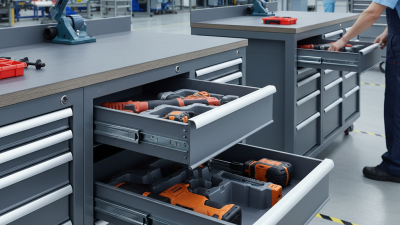
Roller channels offer a simpler, economical option for light-duty drawers, such as bedside tables, wardrobes, and basic storage units. They are easy to install but may feel less stable under uneven loads. Heavy-duty channels are better for tool cabinets, industrial storage, and wide drawers carrying metal parts. Check the rated load, extension length, mounting clearance, and corrosion resistance before ordering.
For humid coastal regions, protective finishes can delay rust, although they cannot replace proper material selection. Push-to-open channels support handle-free designs, while locking channels help secure mobile storage during transport. From practical fitting work, I have found that buyers sometimes focus only on price. That choice can create loose movement, noise, or early wear. Application details matter more than appearance alone.
Ten Leading Drawer Channel Options for Global Buyers
Ten Leading Drawer Channel Options for Global Buyers
Global buyers need drawer channels that match cabinet design, load demands, and local installation habits. The leading options include ball-bearing channels, soft-close channels, push-to-open channels, concealed undermount channels, side-mount channels, full-extension channels, partial-extension channels, heavy-duty channels, two-way channels, and slim-space channels. Each type solves a different problem. A kitchen drawer may need smooth closing, while a workshop drawer needs stronger steel and higher load capacity. Choosing by appearance alone is risky.
Material thickness matters. Cold-rolled steel offers practical strength and consistent movement. Stainless steel suits humid rooms, although it may raise purchasing costs. Buyers should check extension length, load rating, cycle testing, hole patterns, and adjustment range. Ask for samples before placing a large order. A sample may reveal rough movement, uneven gaps, or noisy closing. Packaging also deserves attention. Bent rails can arrive after long-distance shipping, even when the product passed factory inspection.
Tips: Compare the channel’s rated load with real drawer weight, not empty-cabinet weight. Confirm measurements in millimeters. Test ten opening cycles before approval. Request corrosion-test details and installation drawings. A lower price can look attractive, but I have learned that replacement costs often matter more. Some specifications remain unclear until installation, which is an uncomfortable but useful warning for global procurement teams.
How to Compare Load Capacity, Extension, and Durability
For global buyers, drawer channels should be compared by working load, extension, and tested life, not by appearance alone. CSIL’s 2024 World Furniture Outlook places Asia above half of global furniture production, so specifications often vary between factories. Ask for the tested load, not the advertised maximum. A channel rated for 45 kilograms may perform poorly when the drawer is loaded unevenly. A 60-kilogram rating is more useful when the cabinet is wide or stores metal tools.
Extension changes daily access.
Full-extension channels expose the rear of a drawer, while three-quarter designs leave hidden storage behind. Measure the usable travel in millimeters. A 500-millimeter drawer should not be paired with a channel offering only 350 millimeters of movement. It feels restrictive. Check side clearance too. Small errors can create rubbing, noise, or accidental release.
Durability requires evidence.
ANSI/KCMA A161.1-based procurement tests commonly examine drawer hardware across 25,000 opening cycles under a specified working load. ISO 7170 testing also evaluates strength and durability for storage furniture. Request the test load, cycle count, corrosion method, and failure definition. Salt-spray hours alone can mislead; they do not prove smooth movement under weight. In practical inspections, a channel may pass static loading yet sag after repeated use. That weakness is easy to miss. My own comparison method would include uneven loading, cold-room operation, and rushed installation, because real workshops are rarely perfect.