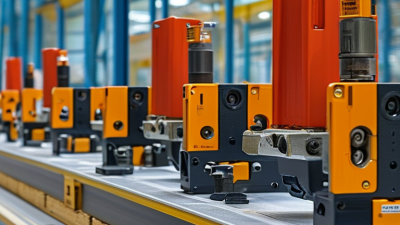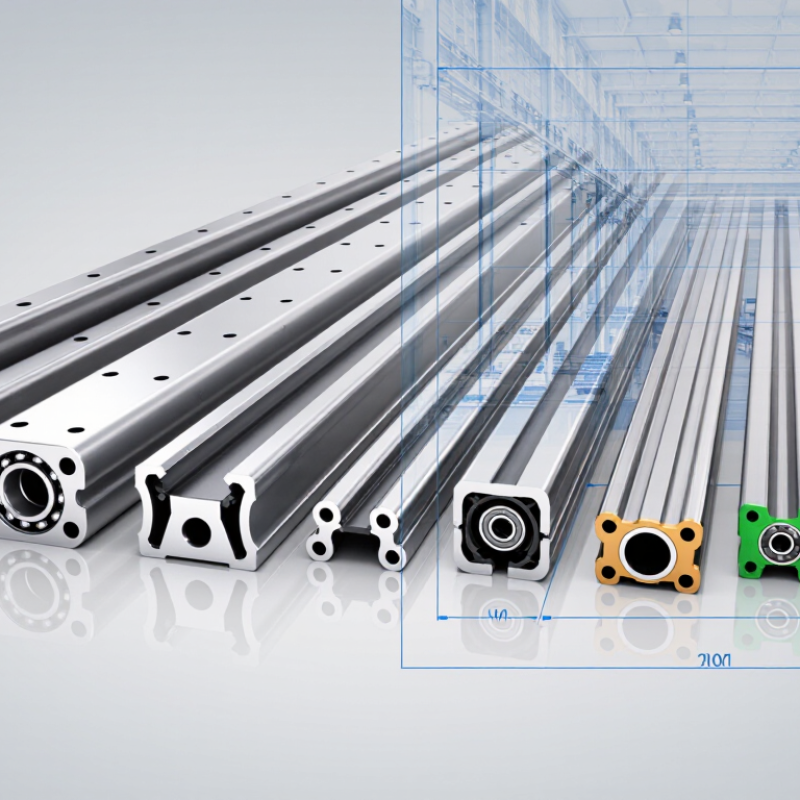
Choosing among China’s top ten gliding rail manufacturers requires more than a polished catalog. Ask for factory evidence, not only sales claims. Request current production photos, process flow charts, and a video call from the workshop. Check whether stamping, heat treatment, plating, assembly, and inspection occur in-house. A supplier may outsource one process. That is not automatically a problem. The risk appears when nobody owns the final tolerance.
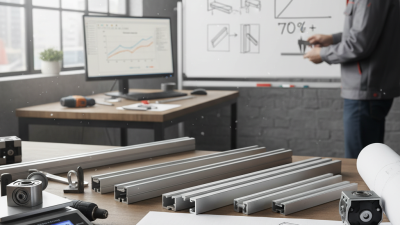
Examine samples under real conditions. Measure rail length, mounting-hole position, clearance, and extension force with simple tools. Test loaded rails repeatedly, then inspect noise, bending, and surface damage. Ask for load ratings, cycle-test records, material grades, coating thickness, and inspection standards. Numbers need context. A 45-kilogram rating means little without drawer size, mounting position, and cycle requirements. Compare three samples from different batches. Small differences can reveal unstable production.
Reliable communication matters as much as machinery. Evaluate response time, drawing control, packaging details, replacement procedures, and willingness to correct defects. Confirm carton dimensions and protective wrapping before shipment. Bent rails often begin with weak packaging. Independent inspection can verify quantity and dimensions before dispatch. It costs money, but rework costs more. No audit is perfect. Record unanswered questions, because hesitation sometimes predicts future delays. A low price may be attractive, yet consistent tolerances, traceable records, and honest limitations deserve greater weight.