Why Choose Gliding Rails for Efficient Material Handling?
In the fast-paced world of logistics and material handling, the choice of equipment is crucial. Experts agree that gliding rails stand out for their efficiency and reliability. James Sinclair, a renowned material handling engineer, once stated, "Gliding rails simplify the movement of heavy loads, reducing time and effort." This highlights the significant impact gliding rails have in modern industries.
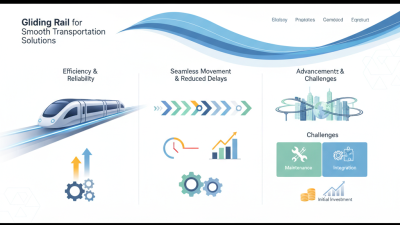
Gliding rails offer seamless transitions for transporting materials. These systems minimize friction, which enhances performance. Industries like manufacturing and warehousing benefit greatly from this technology. Simple design leads to increased productivity and streamlined operations. However, some may question their initial investment cost. It's essential to assess long-term benefits against upfront expenses.
The reliability of gliding rails comes from their engineering excellence. Maintenance is straightforward, ensuring they operate effectively for years. Yet, organizations must still prioritize regular inspections. Flaws can occur if ignored. By implementing gliding rails, companies can transform their material handling processes. The choice is clear—gliding rails provide efficiency and reliability.
Advantages of Gliding Rails in Material Handling Systems
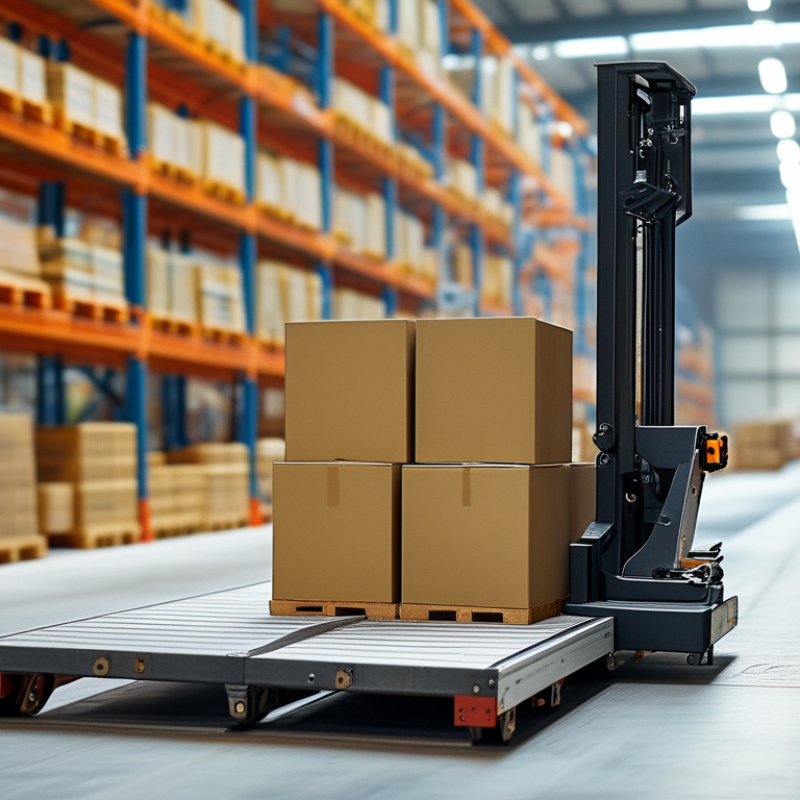
Gliding rails represent a significant advancement in material handling systems. They are designed to enhance the efficiency of transport and storage operations. By reducing friction, gliding rails enable smoother movement of materials, which can lead to improved processing times. According to industry studies, organizations can improve their handling efficiency by up to 40% when implementing gliding rails.
The design of gliding rails allows for lighter loads to be moved with ease. This is crucial in environments where precision and speed are necessary. Recent reports indicated that integrating gliding rails can cut down energy consumption by nearly 30% in moving systems. With sustainability becoming a priority, this reduction in energy use is a compelling reason for businesses to consider gliding rail systems.
However, the implementation of gliding rails is not without challenges. Proper installation and maintenance are critical. Misalignment or wear can negate the benefits. While the potential for increased efficiency is high, businesses must be ready to manage these issues to achieve desired outcomes.
Why Choose Gliding Rails for Efficient Material Handling? - Advantages of Gliding Rails in Material Handling Systems
| Advantage |
Description |
Impact on Efficiency |
Common Applications |
| Improved Mobility |
Gliding rails allow for smooth movement of materials. |
Increases speed of material handling processes. |
Warehouses, factories |
| Space Efficiency |
Maximizes storage space by allowing vertical lifting. |
Optimizes the use of available storage area. |
Distribution centers, retail storage |
| Reduced Labor Costs |
Minimizes manual handling of materials. |
Decreases the need for extensive labor, saving costs. |
Manufacturing, logistics |
| Safety Enhancements |
Reduces the risk of workplace injuries. |
Creates a safer working environment. |
Construction sites, assembly lines |
| Versatility |
Can be integrated into various material handling systems. |
Compatible with different types of operations. |
Various industries including electronics, automotive |
Comparison of Gliding Rails with Traditional Material Handling Methods
Gliding rails present a significant advancement over traditional material handling methods. According to a recent industry report, approximately 28% of operational costs are linked to inefficient material handling. Gliding rails can reduce this overhead effectively. They allow for smoother product movement across various surfaces. This minimizes the risk of damage to materials, unlike forklift operations, which can cause high impact.
Traditional methods often involve significant manpower and space. Forklifts and conveyors can consume valuable floor space. Conversely, gliding rails require minimal space for setup. This flexibility leads to increased productivity. Studies indicate that companies using gliding rails see a 15% rise in efficiency. Workers can move materials quickly and with less effort, enhancing overall workflow.
Challenges exist. Gliding rails need precise installation to function optimally. Improper setup can lead to maintenance headaches. Operators should receive training to maximize their benefits. Despite this, the push towards automation and efficiency suggests that gliding rails hold promise. They represent a shift in how industries approach material handling. Businesses continue to explore these innovations for cost-effective operations.
Comparison of Material Handling Efficiency: Gliding Rails vs. Traditional Methods
Key Features of Gliding Rails That Enhance Efficiency
Gliding rails significantly enhance material handling efficiency. These systems allow for smooth movement of items, reducing strain on workers and speeding up operations. The key feature is the low-friction design, which minimizes resistance. This results in less energy consumption and faster task completion.
In warehouses, using gliding rails can reduce the risk of injury. Workers can move heavy materials with ease. Moreover, this system allows for better organization. Rolling carts can glide quietly and quickly to their destination. However, improper installation may lead to issues. Regular maintenance is essential for continued efficiency.
Tips: Ensure that the rails are installed correctly. Regularly check for wear and tear. Keeping the workspace organized can improve workflow.
Gliding rails also promote flexibility. They can be used in various settings such as factories and distribution centers. This adaptability makes them a smart choice for any material handling system. Consider the space layout before installation to maximize efficiency. An efficient setup can lead to a noticeable increase in productivity.
Applications of Gliding Rails in Various Industries
Gliding rails have become essential in various industries due to their efficiency in material handling. These rails offer smooth movement, reducing strain on workers. Many warehousing and manufacturing facilities utilize gliding rails for transporting heavy loads easily. This seamless transfer not only saves time but also minimizes the risk of injuries.
In healthcare, gliding rails aid in moving medical equipment and supplies. Hospitals use them to ensure that critical items can be transported swiftly and safely. Moreover, in automotive industries, gliding rails support assembly lines by facilitating the movement of parts. Their adaptability in various environments makes them a reliable choice for any sector that prioritizes efficiency.
Tip: Regular maintenance checks on gliding rails can prevent unexpected breakdowns. Ensure that they are free of obstructions and lubricated for optimal performance.
While gliding rails enhance productivity, challenges can arise. Work environments must accommodate the rail system properly. Insufficient space may hinder movement. Assessing your facility's layout is crucial to maximize the benefits of gliding rails.
Tip: Involve workers in planning and implementing the gliding rail system. Their insights can identify potential issues early on. Consider their experiences to improve efficiency overall.
Best Practices for Implementing Gliding Rails in Your Operations
Implementing gliding rails in your material handling operations can significantly enhance efficiency. First, assess your workflow. Identify areas where movement is frequently hindered. Gliding rails allow smooth transitions, reducing friction and time delays.
Training staff is crucial. Proper usage of gliding rails can minimize accidents. Regular assessments and feedback ensure best practices are followed. Encourage employees to share their experiences. This can reveal potential areas for improvement.
Maintenance should not be overlooked. Regular inspections can prevent issues. Check alignment and lubrication periodically. While gliding rails offer many benefits, they require commitment. An informed approach leads to smoother operations but demands continuous evaluation and adjustment.