How to Choose the Best Gliding Rail for Your Needs?
Choosing the right Gliding Rail can be a daunting task. Many factors influence this decision, including material, strength, and length. Understanding your specific needs can significantly impact your choice. For instance, a robust gliding rail is essential for heavy loads.
Considering various options requires careful evaluation. You may feel overwhelmed by the number of available materials and brands. Seeking expert opinions can help sharpen your focus. Reliable sources often provide insights into what works best for different applications. Look for user reviews that discuss real-life experiences.
Remember, this journey may come with challenges. Not every gliding rail will suit your requirements perfectly. Reflect on your unique situation. Identify what functions matter most to you before making a choice. This approach will lead you closer to finding the ideal Gliding Rail that meets your needs.
Understanding Gliding Rails: Types and Functions
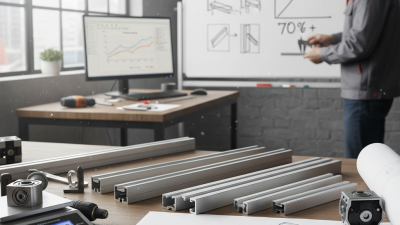
Gliding rails serve various purposes, from enabling smooth sliding doors to supporting complex machinery. Understanding the different types is essential for effective selection. The two main types are standard and heavy-duty gliding rails. Standard rails are suitable for lighter applications, typically found in residential settings. Heavy-duty rails can handle greater loads and are often used in commercial environments.
Research shows that over 70% of users prioritize durability when choosing gliding rails. Many fail to consider weight capacity, leading to premature wear and tear. An incorrectly selected rail can result in malfunctions. Industry reports suggest that proper installation contributes to at least a 50% increase in lifespan. Paying attention to material type is also crucial. Steel rails, while strong, may rust if not properly coated. Aluminum offers a lightweight alternative, but may not support as much weight.
Potential buyers must also reflect on their unique needs. For instance, if aesthetics are critical, a rail with a sleek design could enhance the overall look. However, prioritizing style over functionality may lead to future regrets. Many overlook maintenance requirements; neglect can turn a reliable rail into a problem. Being informed and balancing different factors is key to making the best choice.
How to Choose the Best Gliding Rail for Your Needs?
| Type of Gliding Rail |
Material |
Load Capacity (kg) |
Length Options (m) |
Application |
| Straight Gliding Rail |
Aluminum |
100 |
1, 2, 3 |
Sliding doors |
| Curved Gliding Rail |
Steel |
150 |
1.5, 2.5, 3.5 |
Architectural features |
| Telescopic Gliding Rail |
Plastic Composite |
75 |
2 |
Compact spaces |
| Heavy-Duty Gliding Rail |
High-Density Steel |
250 |
2.5, 3.5 |
Industrial applications |
Key Factors to Consider When Choosing Gliding Rails
When selecting a gliding rail, consider the material.
Aluminum and stainless steel are popular due to their durability.
However, they may vary in weight and flexibility. Think about your specific needs: are you gliding lightweight items or heavier ones?
Weight capacity is essential. Check the manufacturer’s specifications to ensure your choice meets your requirements.
Another critical factor is the rail length. A longer rail allows for smoother movement and can accommodate larger items.
However, it requires more space. Consider your available area before making a decision.
The ease of installation also matters. Some gliding rails come with complex setups, while others are more user-friendly. Always read reviews to gauge user experiences.
Finally, look at the design. Aesthetics can impact your space significantly.
You may want a minimalist look or something more ornate. While function is important, the visual appeal should not be overlooked.
Be prepared to reflect on your choices. Sometimes, the most practical option may not fit your style.
Evaluating Material Quality and Durability in Gliding Rails
When selecting a gliding rail, material quality and durability are critical. Many manufacturers use aluminum, stainless steel, and plastic. Each material has its pros and cons. Aluminum is lightweight and resistant to rust. Stainless steel offers superior strength but can be heavier and more expensive. Plastic may seem cost-effective but may not hold up over time.
According to industry reports, over 35% of users cited material longevity as a primary concern. A study showed that gliding rails made from high-quality materials last approximately 20% longer than their lower-quality counterparts. It's essential to assess the thickness and resistance to wear and tear.
Construction techniques also play a significant role in durability. Poorly constructed rails can warp or bend, rendering them ineffective. Some gliding rail systems offer adjustable features that might not hold up under stress. Understanding the demands of your specific application is crucial. A basic guide suggests that if a rail is frequently used, investing in higher-quality materials is wise. A thoughtful decision can enhance performance and longevity.
Assessing Weight Capacity and Size Requirements for Your Setup
When selecting a gliding rail,
weight capacity and size matter. Knowing how much weight your setup will handle ensures safety.
If your equipment is heavy, go for higher weight limits.
Each gliding rail varies in specifications, so check the details closely. A mismatch can lead to
accidents or equipment damage.
Size is equally significant. Measure your space to avoid fitting issues. A rail that’s too short
will not work for larger setups. Conversely, a rail that’s too long might be cumbersome and take up
unnecessary space. It's important to visualize where you plan to install it. Think about
accessibility and integration with existing structures.
Consider how often you will be using the rail.
Daily use demands durability.
A lightweight rail might not withstand constant wear and tear.
Reflect on whether you might need to replace or upgrade it later.
Balancing your current needs with future considerations can be tricky.
Properly assessing these elements is essential to ensure a successful and sustainable choice.
Installation and Maintenance Tips for Optimal Performance
When installing a gliding rail, proper setup is crucial for performance. Begin by examining the materials. Ensure your rail can handle the load you plan to use. Check for secure attachment points. Weak mounts may lead to accidents or malfunctions. Take your time during this step. Rushing can result in mistakes.
Regular maintenance is vital. Clean the rail and roller frequently to prevent debris buildup. Lubrication is also key. Use an appropriate lubricant to enhance smooth movement. A well-maintained system can last longer and perform better. Consider conducting checks every few months. This practice can reveal potential issues before they escalate.
If you notice unusual noises or resistance, address them promptly. Ignoring these signs may lead to bigger problems down the line. Keep records of maintenance activities. Documentation can help track performance over time. Reflect on your experiences to improve future installations and upkeep. Adjust your approach based on what works and what doesn't.