2026 Best Gliding Rail Solutions for Global Buyers?
In the dynamic world of manufacturing and construction, choosing the right components is vital. Gliding rails are essential for ensuring smooth operations in various applications. This detailed overview explores the best gliding rail solutions available to global buyers in 2026. With a growing emphasis on efficiency and reliability, selecting the right gliding rail can significantly impact performance.
Our exploration delves into various options, highlighting innovative designs and materials. Buyers need to recognize that not all gliding rails are created equal. Understanding the differences in load capacity, material durability, and design flexibility is crucial. Some products may promise high performance but fail during real-world applications.
As we navigate through the best solutions, it is essential to consider user feedback and expert insights. Real-world experiences reveal that the best choice aligns with specific project needs. Not every gliding rail will suit every application, leading to potential frustration. Thus, thorough research and careful selection become indispensable.
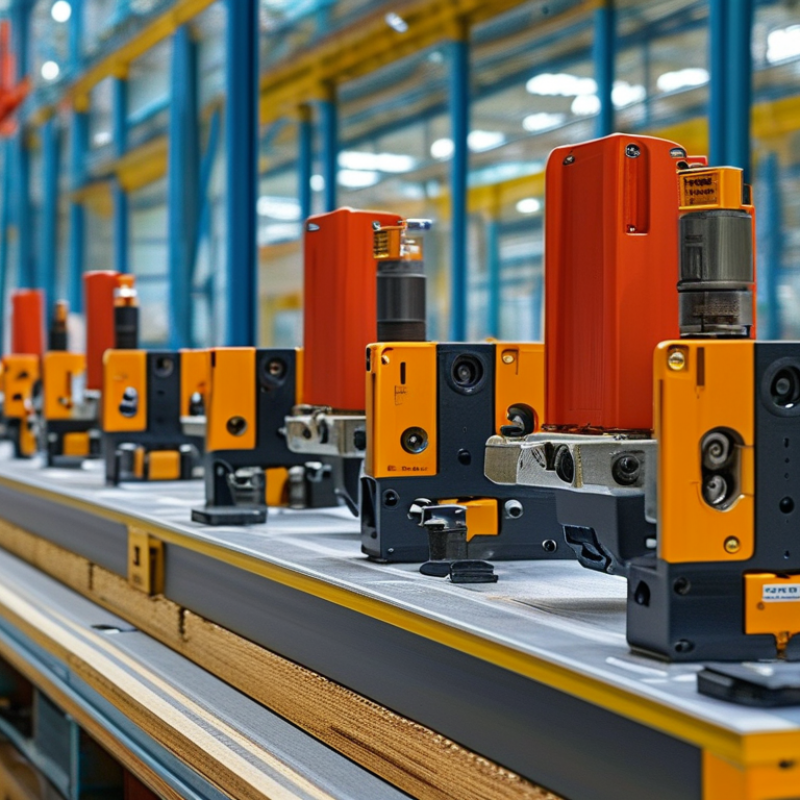
Overview of Gliding Rail Systems and Their Importance in Modern Applications
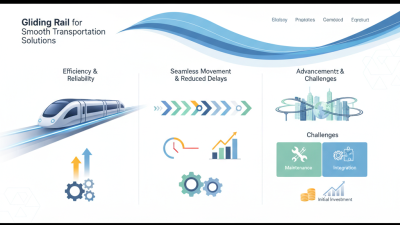
Gliding rail systems play a crucial role in various industries. They facilitate smooth movement and stability in applications such as automation and transportation. According to a recent market analysis, the global gliding rail market is expected to grow by 8% annually, underscoring the increasing demand for efficient movement solutions.
In modern manufacturing, gliding rails contribute to enhanced productivity. These systems allow machinery to operate seamlessly, reducing downtime. Reports indicate that companies can achieve up to a 15% increase in efficiency with well-integrated gliding rail solutions. However, challenges remain, such as ensuring compatibility with existing machinery and addressing wear over time.
Innovations continue to emerge in gliding rail technology. Enhanced materials improve durability and performance. Yet, users must consider maintenance practices. Neglecting regular checks can lead to costly repairs. This underscores the need for experts in the field to share best practices and insights, helping users make informed decisions.
2026 Best Gliding Rail Solutions for Global Buyers
| Application Area |
Material Type |
Load Capacity (kg) |
Length Options (m) |
Key Features |
| Furniture Sliding Doors |
Aluminum |
100 |
2 - 4 |
Smooth operation, corrosion-resistant |
| Industrial Applications |
Steel |
500 |
3 - 6 |
High durability, heavy-duty performance |
| Automotive Components |
Plastic Composites |
200 |
1 - 3 |
Lightweight, rust-resistant |
| Sliding Windows |
Vinyl |
150 |
1.5 - 5 |
Energy-efficient, noise reduction |
| Partition Walls |
Glass |
120 |
2 - 3 |
Modern design, easy installation |
Key Factors to Consider When Choosing Gliding Rail Solutions
When selecting gliding rail solutions, several key factors demand careful consideration. The durability of materials plays a critical role. The lifespan of gliding rails can significantly impact operational efficiency. According to recent data, high-quality materials can extend rail life by up to 30%, reducing long-term costs.
Weight capacity is another vital aspect. Ensure the chosen solution can support the specific loads typical in your industry. For instance, systems rated for 100 kg are optimal for many applications. Testing different weights helps identify the best fit for your needs.
Installation ease and flexibility also matter. Some buyers overlook the complexity of installation. A solution that requires more time and expertise can lead to high initial costs. Users should assess if they need customizable options that adapt to changing conditions. Lastly, industry trends suggest that energy-efficient systems are gaining traction, as they offer long-term savings. Balancing these factors can lead to more informed choices in gliding rail solutions.
Top Manufacturers and Brands of Gliding Rails in 2026
In the realm of gliding rail solutions, several manufacturers lead the way in innovation and quality. These top brands are known for their efficient designs and durable materials. Each brand brings unique strengths to the market, making it essential for buyers to explore their options thoroughly.
Tips for buyers: Consider the material and load capacity needed for your specific project. Researching reviews can provide insights into real-world performance.
When evaluating gliding rails, take note of the installation process. Some brands offer user-friendly kits, while others may pose challenges. It's crucial to assess your skill level and available tools before proceeding.
Not every solution fits all applications. Each project may have unique requirements that one brand may meet better than another. Always be open to learning from others' experiences, as this can guide your purchasing decisions effectively.
Innovative Technologies and Trends in Gliding Rail Design
In the rapidly evolving world of engineering, gliding rail design is undergoing significant innovation. Modern solutions are embracing lightweight materials, enhancing performance and usability. These advancements allow for smoother motion and increased load capacities, addressing contemporary needs in various industries.
Tips: When choosing gliding rail systems, consider weight and load mappings carefully. While lighter materials can boost efficiency, they may sometimes compromise durability. Striking a balance is essential for long-term success.
Additionally, the integration of smart technologies is becoming commonplace. Sensors and automation streamline operations and provide real-time data. This development improves safety and maintenance protocols. However, the reliance on technology can also lead to vulnerabilities. Traditional methods shouldn’t be entirely overlooked.
Tips: Evaluate the specific application of your gliding rail system. What works for one scenario might not be ideal for another. Be prepared to experiment and adapt, knowing that technology adaption may require adjustments.
Case Studies: Successful Implementation of Gliding Rail Solutions Globally
The implementation of gliding rail solutions has transformed various industries. Companies that have adopted these systems report improved efficiency and safety. For instance, a recent study indicated that workplaces using gliding rails saw a 25% reduction in accidents and injuries. This statistic highlights the potential economic and human benefits of integrating such systems.
In retail, gliding rails have optimized product displays and customer flow. A large supermarket chain implemented this solution and experienced a 15% increase in foot traffic. Such enhancements not only elevate shopping experiences but also drive revenue. However, the initial costs can be a barrier. Businesses must weigh these investments against long-term gains carefully.
Airports around the world have also seen successful applications. A noteworthy instance involved the installation of gliding rail systems in baggage handling areas. These systems minimized delays, with a reported 20% faster processing time for luggage. Continuous feedback is essential for adaptation. Not every installation is perfect; some faced technical difficulties during the initial phases. Addressing these challenges is vital to ensure optimal performance and reliability.