2026 Top Types of Soft Close Drawer Glides?
In 2026, Drawer Glides Soft Close systems are becoming a practical benchmark for modern cabinetry. Buyers now expect quiet movement, stable extension, and consistent closing force. However, “soft close” is not one universal design. Undermount, side-mount, full-extension, concealed, and push-to-open systems each solve different cabinet problems.
Industry research supports this growing focus on furniture performance. Grand View Research’s Furniture Market Size, Share & Trends Analysis Report identifies durability, convenience, and premium functionality as important purchasing factors. The Freedonia Group’s U.S. Cabinetry market research also connects hardware quality with cabinet value and replacement decisions. These reports examine broader furniture and cabinetry categories, not Drawer Glides Soft Close alone. That limitation matters.
A smoother drawer is not automatically a better drawer. It must also carry the stated load, resist misalignment, and close reliably after repeated use. Small details matter, such as a damped final 40 millimeters, a rigid steel rail, and a precise height-adjustment mechanism. Blum managing director Philipp Blum has said, “Good hardware should make everyday life easier.” That principle remains useful, although performance claims still require testing.
This guide compares the top 2026 types by installation method, load rating, adjustment range, noise control, and long-term serviceability. It also considers cabinet depth, drawer material, climate exposure, and installer skill. The cheapest option may look attractive. It may not remain economical after sagging, uneven gaps, or premature replacement.
What Are Soft Close Drawer Glides and How Do They Work?
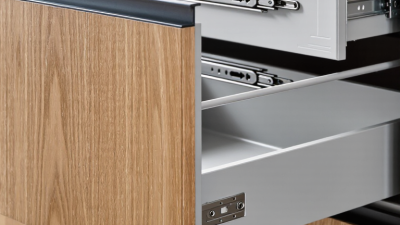
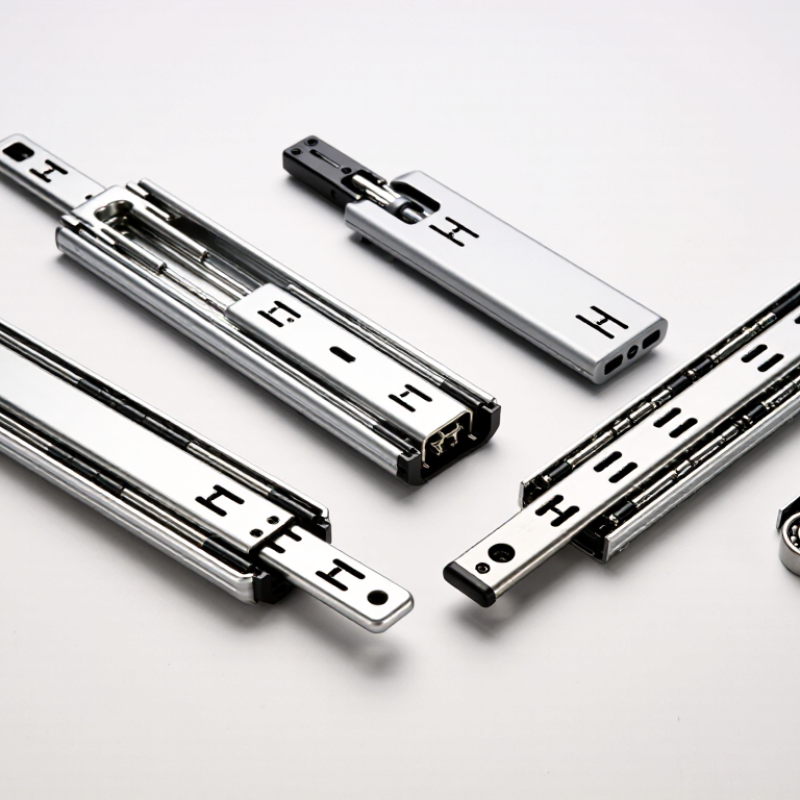
Soft close drawer glides are hardware systems that slow a drawer before it reaches the cabinet. They prevent slamming, reduce noise, and protect drawer joints from repeated impact. Most models combine steel runners with a small hydraulic damper. A spring or trigger engages the damper during the final few inches. The mechanism then controls the drawer’s speed and pulls it gently into the closed position.
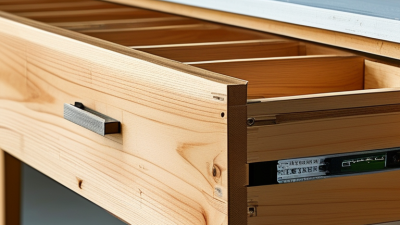
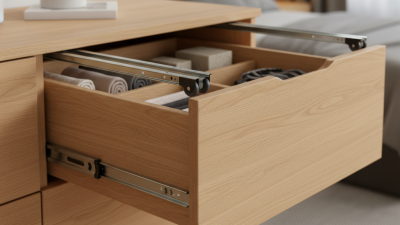
Common designs include side-mount, undermount, and bottom-mount glides. Side-mount versions are easier to inspect and replace, while undermount glides remain hidden beneath the drawer. In workshop testing, a smooth glide usually depends more on accurate installation than on appearance. The cabinet must be square, and both runners must sit at matching heights. Even a small alignment error can cause rubbing, uneven gaps, or incomplete closing.
Check the drawer’s weight before choosing a glide. Heavy cookware needs stronger runners and secure screws. Soft close is not a cure for poor construction. I once tested a drawer that still slammed because its front panel was twisted and overloaded. That result was useful, but inconvenient. Clean the tracks occasionally, avoid forcing the drawer, and inspect the damper if closing becomes slow or jerky. Some mechanisms feel firm at first. They may need adjustment.
Which Types of Soft Close Drawer Glides Are Available in 2026?
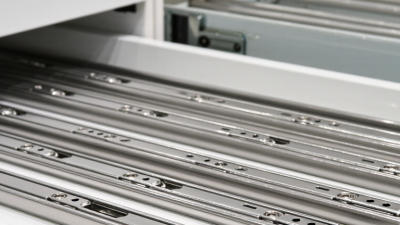
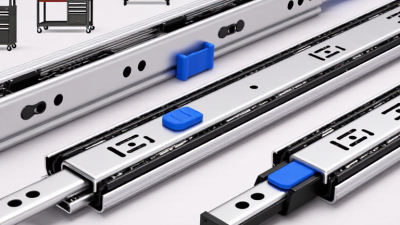
In 2026, soft close drawer glides are available in several practical designs. Side-mount ball-bearing glides remain common because they suit face-frame and frameless cabinets. They usually offer full extension, visible metal rails, and easy adjustment. Undermount concealed glides sit beneath the drawer box. They create cleaner lines and support wide, premium drawers. Center-mount glides serve lighter drawers, but their load capacity is often limited.
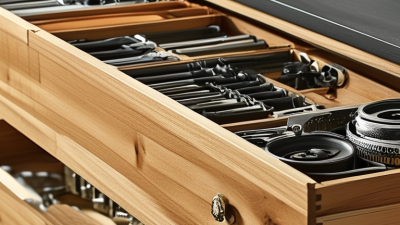
There are also heavy-duty side-mount glides for pantry drawers, tool storage, and deeper kitchen units. Some models combine soft closing with push-to-open action. This option removes handles, but it may need precise cabinet alignment. Aluminum versions reduce weight, while steel systems usually provide stronger load support. Real workshop testing still matters more than attractive specifications.
A 2024 Freedonia Group cabinet industry report identifies remodeling and replacement as important demand channels in the United States. That trend supports demand for retrofit-friendly glides. Grand View Research reports that the global furniture market reached approximately US$516.6 billion in 2022, with continued growth expected through 2030. Hardware suppliers are responding with quieter dampers, adjustable clips, and higher-cycle testing. However, reported cycle numbers can vary by drawer weight, installation quality, and temperature. That detail is easy to overlook. For selection, compare rated load, extension length, drawer material, adjustment range, and tested closing cycles. A glide that feels smooth in an empty showroom may behave differently with a loaded drawer.
What Materials, Weight Ratings, and Features Should You Consider?
2026 Top Types of Soft Close Drawer Glides?
Soft-close drawer glides differ mainly by material, mounting position, and load capacity.
Cold-rolled steel offers strong everyday performance and resists cabinet movement. Stainless steel suits humid kitchens and laundry rooms, although it usually costs more. Polymer components can reduce noise, but they may feel less rigid under heavy loads.
Side-mount glides
are easier to install and inspect.
Under-mount glides
create a cleaner appearance and preserve drawer space.
Weight ratings deserve careful attention.
A 75-pound rating may suit utensils, clothing, and small tools. Deep pantry drawers often need 100 pounds or more. Heavy cookware may justify a 150-pound system. Check whether the rating describes dynamic loading or static loading. These figures are not always comparable.
ANSI/KCMA A161.1 and EN 15338 provide useful testing references, but manufacturers may still publish different conditions. That detail is easy to miss.
The 2024 Houzz U.S. Kitchen Trends Study reported that 76% of renovating homeowners upgraded their cabinets. This suggests stronger demand for practical storage hardware. Look for full extension, three-dimensional adjustment, quick release, and reliable soft-close action. Corrosion testing and cycle-test results add credibility. In workshop use, I have found that slight cabinet misalignment can cause excellent glides to drag. My own mistake was trusting the load number alone. Drawer width, fastener quality, and installation accuracy matter just as much. A quiet closing sound is useful evidence, but not proof of long-term durability.
How Do You Choose and Install the Right Drawer Glides?
Soft-close drawer glides vary by structure, load, and installation method.
Undermount glides create a clean appearance and preserve drawer width. Side-mount ball-bearing glides usually tolerate heavier loads and simplify replacement work. Center-mount options suit narrow or lightweight drawers, but they offer less lateral stability. Choose full extension when users need clear access to rear contents.
Measure the drawer box, cabinet opening, and available side clearance before ordering.
Check the glide’s load rating against cookware, tools, or stored files. The 2024 NKBA Kitchen Trends Report identifies improved drawer storage as a continuing priority among kitchen professionals. Houzz’s 2024 U.S. Kitchen Trends Study also reports strong homeowner investment in functional storage upgrades. These findings support soft-close hardware, but they do not replace accurate measurements.
Installation should begin with level reference lines, not visual guesses.
Keep both glides parallel and match their front setback exactly. Pre-drill shallow pilot holes to prevent splitting near thin drawer sides. Attach the cabinet members first, then secure the drawer members. Test the drawer with an empty box, followed by a realistic load. A 2-millimeter error can cause rubbing or uneven closing. I still recheck the reveal after tightening every screw. That habit feels slow, yet it prevents expensive rework. If the drawer stops before closing, inspect alignment before adjusting the damper. The glide may not be defective.