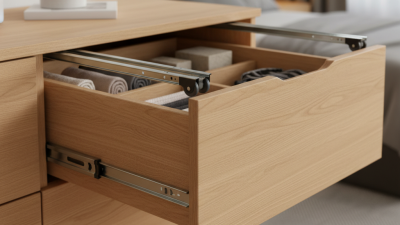
7 Tips for Choosing Heavy Duty Long Drawer Slides
Choosing Long Drawer Slides Heavy Duty is not simply a matter of selecting the highest load rating. Real performance depends on cabinet material, drawer width, extension length, mounting accuracy, and daily use. A slide rated for 500 pounds may still bind when the drawer box is slightly twisted. Small mistakes become obvious quickly.
Michael Chen, a senior drawer-slide applications engineer, explains, “A strong slide is only reliable when its load, alignment, and installation conditions match.” That practical point guides the seven tips in this article. The advice focuses on measurable details, including steel thickness, ball-bearing movement, locking features, corrosion resistance, and tested cycle life. These details matter beside a workshop bench, where a fully loaded drawer can weigh more than expected.
Measure twice.
You should also inspect the manufacturer’s test information instead of trusting bold packaging claims. Check whether the stated capacity applies to evenly distributed weight or concentrated loads. Confirm the required side clearance with a steel ruler. Even a two-millimeter error can create friction, noise, or uneven travel.
The best Long Drawer Slides Heavy Duty choice should feel controlled, not merely powerful. Consider the drawer’s contents, opening frequency, environment, and repair needs. A kitchen pantry, mobile tool chest, and industrial cabinet demand different solutions. This guide offers useful judgment, but it cannot replace a careful site measurement. That is where many recommendations become less certain. A stronger slide is not always the better slide. Proper fit still decides whether the drawer glides smoothly after months of hard use.
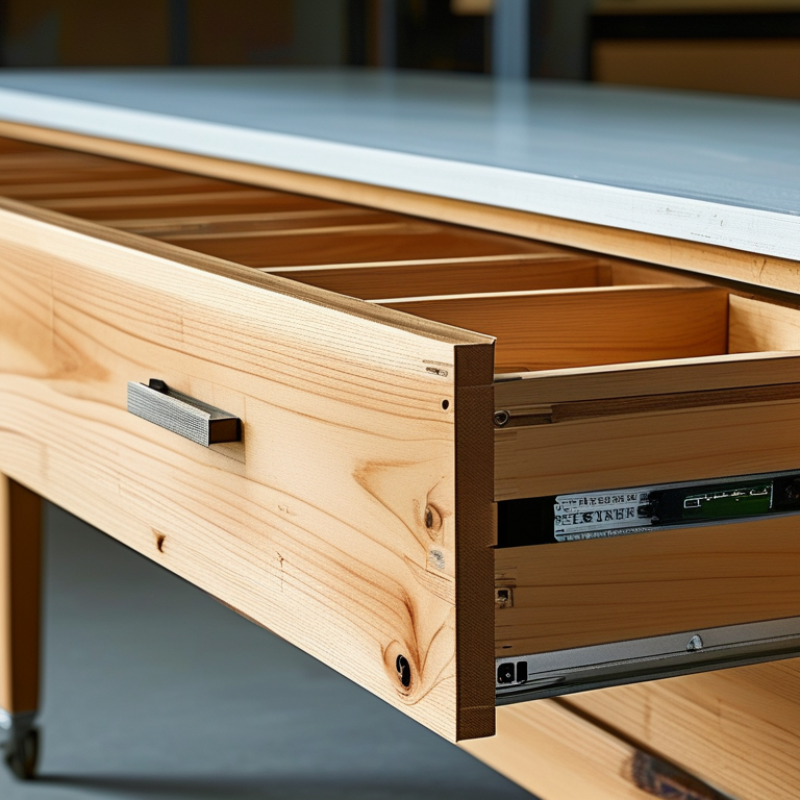
Understanding Load Capacity and Weight Distribution
7 Tips for Choosing Heavy Duty Long Drawer Slides
Understanding Load Capacity and Weight Distribution
Tip 1: Calculate the complete load. Include the drawer, hardware, and stored items. Tip 2: Check the rating at full extension. A slide rated for 100 pounds may require evenly distributed weight. Front-heavy tools create extra leverage against the cabinet. Tip 3: Add a safety margin. Industrial drawers face vibration, dust, and repeated impacts. Maximum capacity is not always practical capacity. Leave room for real working conditions.
Tip 4: Examine weight distribution carefully. Keep dense objects near the drawer’s center and close to the bottom. Tip 5: Use a rigid drawer base. Long drawers can sag, even when the slides are strong. In field installations, I have seen a steel drawer bind because its base flexed under concentrated weight. My original load estimate was too optimistic. That error was useful, but expensive.
Tip 6: Mount both slides on parallel surfaces. Small alignment errors increase friction and uneven loading. Tip 7: Test the drawer fully extended before regular use. Watch for deflection, gaps, loose fasteners, or rough movement. Review the load rating’s mounting orientation and extension conditions. Ratings are not universal. A stronger slide cannot compensate for a weak cabinet, poor alignment, or badly distributed contents.
Selecting the Right Slide Material and Mounting Style
Heavy Duty Long Drawer Slides: Choosing the Right Material and Mounting Style
Choose hardened steel when the drawer carries tools, hardware, or dense supplies. Steel handles repeated loading better, but it adds noticeable weight. Aluminum suits lighter drawers and humid rooms because it resists corrosion naturally. However, aluminum can flex under excessive loads. Zinc-plated steel offers useful protection, though damaged plating may eventually expose the metal.
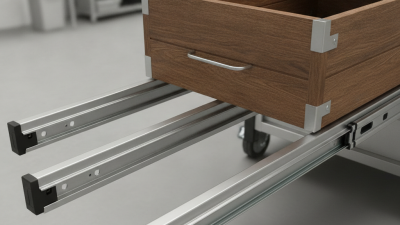
Check the slide’s rated capacity before measuring the drawer. The rating should exceed the real load, not merely match it. Measure cabinet depth carefully, leaving the manufacturer’s required clearance on both sides. Full-extension slides improve access to rear items. Locking slides help prevent movement in mobile cabinets. They are useful, but not always necessary. Consider soft-closing mechanisms only when the drawer’s weight and speed remain manageable.
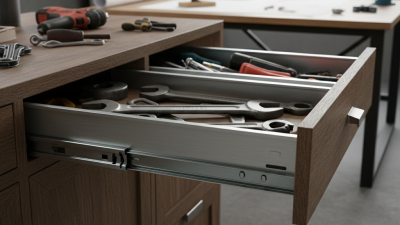
Side-mount slides are practical for heavy drawers and easier to inspect during installation. They require accurate, even spacing on both sides. Undermount slides create a cleaner appearance, but they demand precise cabinet construction and compatible drawer dimensions. Center-mount designs save space, yet they may offer less stability for wide drawers. Use reinforced mounting areas, strong screws, and level guides. I have seen excellent slides fail because the cabinet material was too weak. Recheck alignment after loading the drawer. Small errors become obvious quickly.
Evaluating Locking, Latching, and Motion Features
Choosing heavy duty long drawer slides requires more than checking length and load capacity. Locking features should match the drawer’s working position. A front lock can prevent unwanted opening during transport, while a hold-out lock keeps an extended drawer from rolling inward. Confirm whether the lock engages automatically or needs manual pressure. Test it loaded. A 1000 mm drawer may flex when filled, even when its slide rating appears sufficient. Leave a practical safety margin for tools, vibration, and uneven loading.
Latching systems deserve close inspection. A latch should release smoothly with one hand, but resist accidental pulls from clothing or nearby equipment. Look for a clear release handle, positive engagement, and accessible mounting holes. Motion features also affect daily use. Full extension improves visibility, while damped closing reduces impact and noise. Some slides include detents that hold the drawer open at a workbench. That detail matters. I once evaluated a long drawer that latched correctly when empty but shifted under load. The problem was not the latch alone; slight cabinet misalignment changed the travel path. Measure both sides, keep the gaps even, and inspect the slide after repeated cycles. Small movements matter. Choose corrosion-resistant materials when moisture or cleaning chemicals are present, but verify the actual finish and maintenance requirements. A smooth slide is useful, yet controlled motion is safer than speed.
Checking Installation Conditions, Durability, and Maintenance Needs
Before choosing heavy-duty long drawer slides, inspect the cabinet itself. Measure opening width, drawer depth, and rear clearance. Check whether the cabinet is square; even a small twist can create binding. The rated load must include the drawer, hardware, and contents. A 45-kilogram rating is not a 45-kilogram recommendation. I prefer a 20% working margin for tools or dense hardware. ANSI/BIFMA X5.9-2019 provides useful storage-unit testing guidance, although it does not replace slide-specific testing.
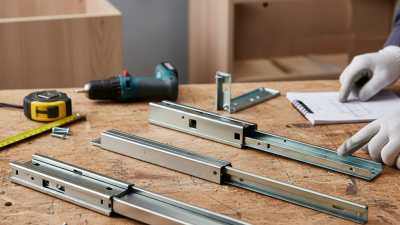
Tip 1: Verify installation conditions. Confirm side clearance with a feeler gauge, not eyesight. Long slides need parallel mounting surfaces and strong fasteners. Thin panels may flex under repeated loading. Tip 2: Request durability evidence. Ask for cycle-test results, corrosion-test methods, and the tested load. ISO 9227 defines salt-spray procedures, but exposure hours alone cannot predict field life. A drawer used in a humid workshop may fail earlier than a laboratory sample.
Maintenance needs are easy to underestimate. Clean metal slides periodically, remove abrasive dust, and inspect loose screws. Use only the lubricant recommended for the slide material; excess grease can trap grit. Check alignment after the first few weeks, then during seasonal maintenance. Tip 3: Plan access before installation. If the slide cannot be removed easily, future repairs become expensive. One practical mistake is trusting a smooth first movement. It may hide uneven loading, weak mounting points, or early ball-track wear. A short inspection record helps, even if it feels unnecessary.
7 Tips for Choosing Heavy-Duty Long Drawer Slides
This weighted checklist helps compare heavy-duty long drawer slides before purchase. Load capacity and cycle life should be verified against the actual drawer load and expected usage, while installation clearance, corrosion resistance, safety features, and maintenance access help support reliable long-term operation. The percentages are practical planning weights rather than manufacturer-specific performance claims.