留言
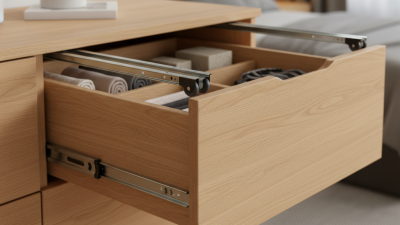
Skinny Drawer Slides can help furniture feel lighter without sacrificing the everyday function of a drawer. Their narrow profile may suit compact cabinets, bedside tables, and custom storage where every millimeter matters. Picture a shallow drawer holding cutlery: bulky hardware can crowd the usable space, while a slimmer slide may leave more room for the drawer box. Small details matter.
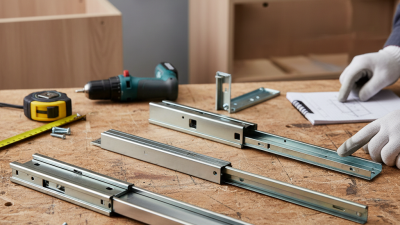
Choosing slides is not only about appearance. Check the available side clearance, drawer dimensions, extension style, and rated load before buying. A slim slide is not automatically the right choice for every project, especially when drawers will hold heavy tools or cookware. Follow the manufacturer’s specifications, and make sure the cabinet and drawer are square. Even a small alignment error can cause rubbing, uneven movement, or a drawer that will not close cleanly.
This guide explores why furniture makers and homeowners consider Skinny Drawer Slides, where they work well, and what to verify before installation. It also looks at practical trade-offs, including load capacity, mounting space, and the precision required during fitting. The best option depends on the furniture, not just the product description. That is worth remembering. A sleek profile can be useful, but careful measuring—and an honest look at how the drawer will be used—usually matters more.
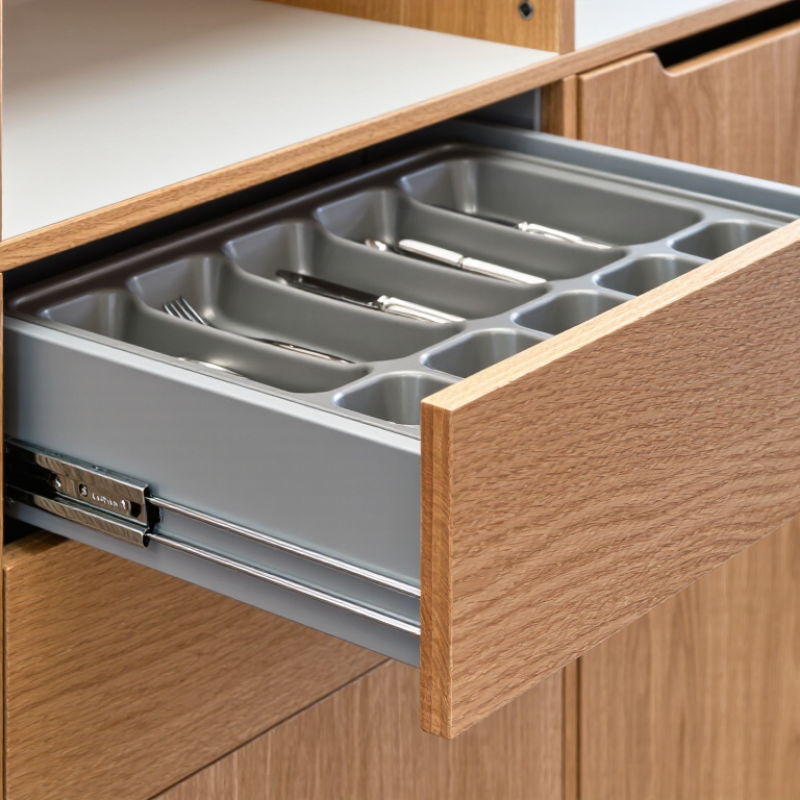
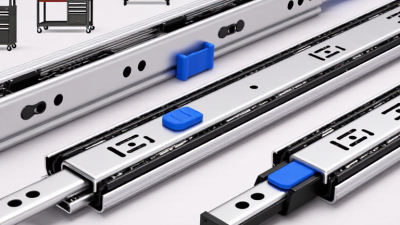
Skinny drawer slides are narrow-profile runners that guide a drawer as it opens and closes. Their slim side sections leave more room inside a cabinet than bulkier hardware may. Most use paired metal rails, with a moving section attached to each side of the drawer. Some models use ball bearings for smoother travel; others have simpler mechanisms. The exact design and load capacity vary, so “skinny” is not a standard specification. Check the slide’s dimensions and rated load before choosing one.
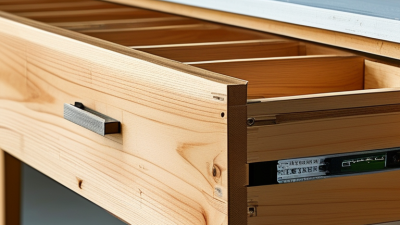
These slides can suit bedside tables, shallow cabinets, and compact desks where every centimeter matters. Picture a narrow drawer holding pens: slimmer runners may preserve useful space without changing the furniture’s outer size. They still need accurate installation. Uneven spacing or a crooked screw can cause rubbing, noise, or a drawer that will not close fully. They are not magic. A wider slide may be a better fit for a heavy kitchen drawer or frequent, forceful use.
Tips: Measure the drawer opening at the front and back, since cabinet walls may not be perfectly parallel. Compare the slide’s required clearance with the drawer’s actual width. Leave room for small measurement errors; even careful work can be a little off. Check the load rating, mounting instructions, and whether the slide supports full extension before buying.
| Feature | What It Means | Furniture Benefit | What to Check |
|---|---|---|---|
| Slim side profile | “Skinny” generally describes a compact or narrow slide design; it is not a standardized slide-size category. | Can help preserve drawer space or fit furniture with limited room beside the drawer. | Compare the slide’s actual width and required side clearance with the available cabinet space. |
| Mounting style | Slides may be side-mounted, undermounted, or designed for a specific installation method. | The right mounting style can suit a particular drawer design and desired appearance. | Confirm that the slide type matches the drawer construction and cabinet layout. |
| Extension | Depending on the design, a slide may provide partial, full, or over-travel extension. | More extension can improve access to items toward the back of the drawer. | Check the specified extension and make sure it suits the drawer’s intended use. |
| Load rating | Load capacity depends on the particular slide model, its length, installation, and test conditions. | A correctly rated slide supports reliable movement when used within its stated limits. | Use the manufacturer’s rated capacity; do not assume a slim slide has the same capacity as a larger one. |
| Opening and closing action | Some slides use a soft-close mechanism, while others use a push-to-open feature or a basic closing action. | The selected action can improve convenience and help suit the furniture’s style. | Verify that the feature is included in the specific model and is compatible with the drawer. |
| Drawer and cabinet fit | Slide length, mounting position, and clearance requirements vary by design. | Accurate sizing helps the drawer travel smoothly and align properly. | Measure the cabinet depth, drawer dimensions, and required clearances before purchasing. |
| Best-suited uses | A compact profile may be useful in furniture where side space is restricted. | Potential applications include compact cabinets, narrow drawer boxes, and space-conscious furniture designs. | Choose based on the required dimensions, load, extension, and installation method—not the “skinny” label alone. |
Note: “Skinny drawer slides” is a descriptive term rather than a universally defined technical standard. Always confirm dimensions, clearances, load rating, and installation instructions for the specific slide.