10 Tips for Choosing the Best Metal Drawer Glides?
Choosing the right Metal Drawer Glides is not merely a matter of price or appearance. It affects drawer movement, storage safety, cabinet lifespan, and everyday comfort. A glide may look strong in a product photo, yet feel rough after repeated use. Small differences matter. Very much.
This guide presents ten practical tips for selecting reliable Metal Drawer Glides. It examines load capacity, extension length, material thickness, corrosion resistance, mounting accuracy, and closing performance. It also considers installation conditions, drawer dimensions, and future maintenance. Hardware specialist Robert M. Geller once said, “A drawer glide should be judged by its movement, not its marketing.” That observation remains useful, although even experts can overlook unusual cabinet layouts or humid environments.
Real workshop experience often reveals problems that specifications miss. A side-mount glide may require more clearance than expected. An undermount model may create a cleaner appearance but demand tighter measurements. Soft-close systems can feel excellent, but poor alignment may reduce their service life. Nothing is perfect.
The following tips help readers compare products with greater confidence. They encourage careful measurement, realistic weight calculations, and honest attention to installation skill. Some recommendations may not suit every project. That is the point. The best Metal Drawer Glides depend on the drawer, cabinet, environment, and user expectations. A thoughtful choice usually performs better than the cheapest available option.
Define Drawer-Glide Types, Extensions, and 75–150 lb Load Ratings
10 Tips for Choosing the Best Metal Drawer Glides?
Define Drawer-Glide Types, Extensions, and 75–150 lb Load Ratings
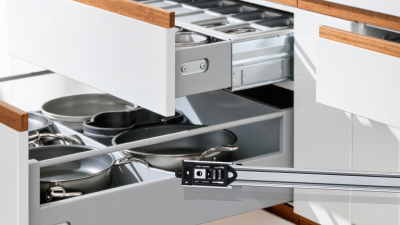
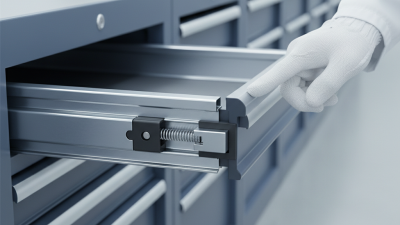
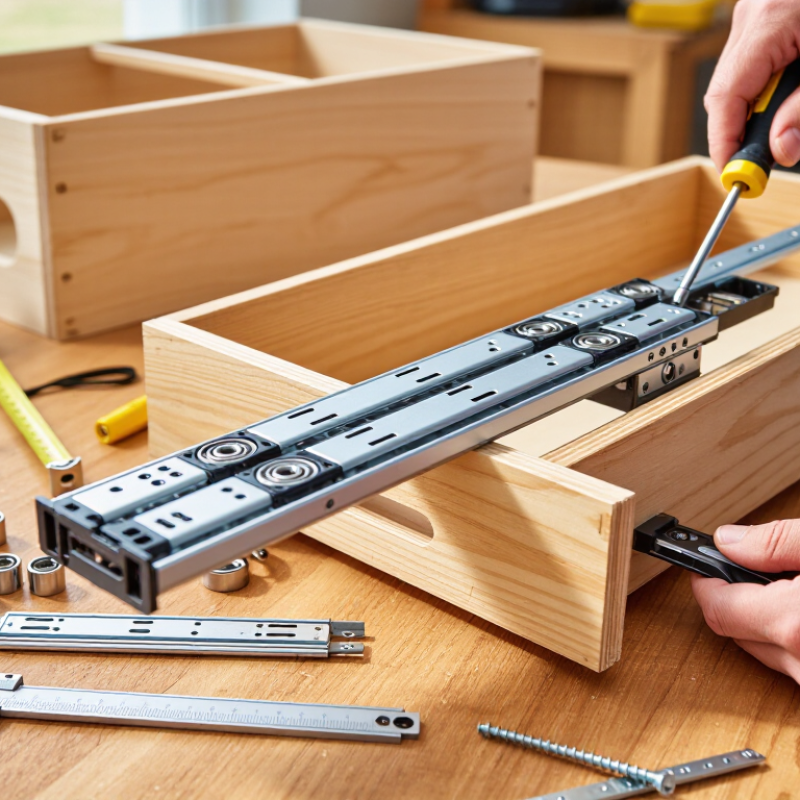
Metal drawer glides differ in structure, movement, and installation demands. Side-mount ball-bearing glides suit workshop drawers and heavy storage. Undermount glides hide beneath the drawer and create a cleaner appearance. Center-mount designs save space, but they often support less weight. Roller glides can work for lighter household drawers. Check the cabinet opening carefully. A small measurement error can cause frustrating binding.
Extension length affects access. Three-quarter extensions leave the rear portion partly covered. Full-extension glides expose nearly the entire drawer. Over-travel models move slightly beyond the cabinet face, which helps users reach deep tools. Measure the drawer depth before ordering. The glide should not exceed the available space. I once trusted a standard measurement and had to rebuild a drawer front. It was avoidable.
A 75–150 lb rating sounds clear, but the details matter. Confirm whether the rating applies to one glide or a matched pair. Also check whether it describes dynamic or static capacity. A drawer holding screws, cookware, or metal parts needs stronger support than one holding clothing. Use a safety margin instead of choosing the exact limit. For example, a drawer carrying 100 pounds should not automatically use a 100-pound glide. Verify mounting-screw requirements, side clearance, and cycle testing information. Installation quality matters too. Even excellent hardware can fail to operate smoothly when the cabinet is uneven.
Match Slide Capacity to Drawer Weight Using a 25% Safety Margin
10 Tips for Choosing the Best Metal Drawer Glides
Match slide capacity to the drawer’s complete weight, not the empty box. Include the drawer, hardware, tools, and everyday contents. A simple formula works well: rated capacity should equal the measured load multiplied by 1.25. For a 40-pound drawer, choose glides rated for at least 50 pounds. This 25% safety margin helps manage shifting contents, repeated opening, and minor installation errors.
I once underestimated a drawer filled with cookware. It sagged within weeks. My calculation was too optimistic.
Tip: Weigh the loaded drawer with a platform scale. Then check whether the capacity applies to one glide or the complete pair. Specifications can be confusing. Ask for clarification when the wording is unclear. Keep the measurement record near your project notes.
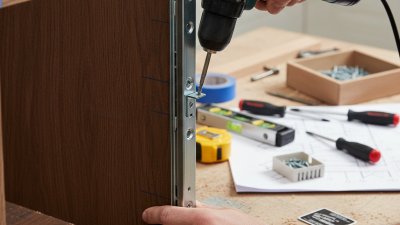
Load rating is only part of the decision. Check the slide length, extension, mounting position, and side clearance. A glide may support the weight but still bind when the cabinet is slightly uneven. Use a level and confirm both sides are parallel. Soft-close mechanisms can also add resistance and affect performance. Leave enough room for adjustment.
Test the drawer before filling it completely. Listen for scraping. Watch for uneven gaps.
If movement feels rough, stop and correct the alignment rather than forcing the hardware. That small delay often prevents damaged holes and premature wear.
Compare Full-Extension Travel, Soft-Close Performance, and Cycle Testing
Choosing metal drawer glides requires more than checking load capacity. Full-extension travel lets the drawer open completely, exposing rear items without awkward reaching. Measure the cabinet depth first. A few millimeters matter.
The 2024 NKBA Kitchen Trends Report highlights improved storage access as a continuing renovation priority. That supports full-extension hardware, especially in deep kitchen drawers. Soft-close performance matters too. A quality mechanism should slow the drawer smoothly, without a final knock or rebound. ISO 7170:2021 provides durability and strength testing methods for storage furniture, but real kitchens add dust, uneven loading, and rushed closing. Laboratory results are useful, not perfect.
Cycle testing reveals long-term behavior.
Ask whether testing covered repeated opening, closing, and loaded operation. EN 15338, the European standard for furniture drawer runners, defines durability test procedures and performance levels for sliding hardware. Request the tested cycle count and load condition, not only a pass statement. For frequent-use drawers, I would compare results at 20,000, 40,000, or more cycles when available. More is not automatically better. Poor alignment can still damage a strong glide. I have seen drawers pass factory checks yet develop side-to-side movement after installation. That is why I would inspect mounting tolerance, adjustment range, and noise after testing. A quiet first week proves little.
Assess Steel Gauge, Corrosion Resistance, and ANSI/BHMA Compliance
Choosing metal drawer glides requires more than checking load capacity. Steel gauge affects stiffness, deflection, and long-term alignment. A thinner rail may feel smooth in a showroom but bend under a drawer filled with tools. Measure the steel with a gauge or confirm the manufacturer’s technical sheet. Also inspect the mounting holes, fasteners, and ball-bearing movement. Small gaps can create noise and uneven travel.
Corrosion resistance matters in kitchens, workshops, and humid utility rooms. Look for zinc plating, stainless steel, or a tested protective coating. Ask about salt-spray results, coating thickness, and exposed cut edges. A coated surface can still fail where screws scratch the finish. Wipe away moisture during inspection. It sounds basic, but this detail is often missed.
ANSI/BHMA compliance adds a useful benchmark for durability and performance. Confirm that the stated standard applies to the exact glide type and intended use. Request test documentation, including cycle counts, load conditions, and mounting requirements. Do not rely only on a compliance logo. I have seen product descriptions use broad language that left important details unclear. A careful buyer should compare the test method with real conditions, such as a 24-inch drawer carrying heavy hardware. If the evidence is incomplete, treat the rating cautiously and choose a model with clearer verification.