Top 5 Lock Out Drawer Slides You Need to Know?
Lock Out Drawer Slides are essential hardware components that ensure safety and convenience in various applications. Whether in residential or professional settings, these slides play a crucial role in securing drawers. Their design prevents accidental openings, making them particularly useful in environments where stability is paramount.
Understanding the different types of Lock Out Drawer Slides can enhance your selection process. Each type has its unique features, such as load capacity and materials. Selecting the right one involves evaluating your specific needs. The complexity of choices may seem overwhelming, yet making an informed decision is vital for functionality and safety.
While it’s easy to overlook such hardware, the consequences can impact your daily routines. Investing in quality Lock Out Drawer Slides can save you from future frustrations. However, not all options may suit your requirements perfectly. This guide aims to shed light on the top choices available and help you reflect on what truly meets your needs.
Top 5 Lock Out Drawer Slides: A Comprehensive Overview of Features
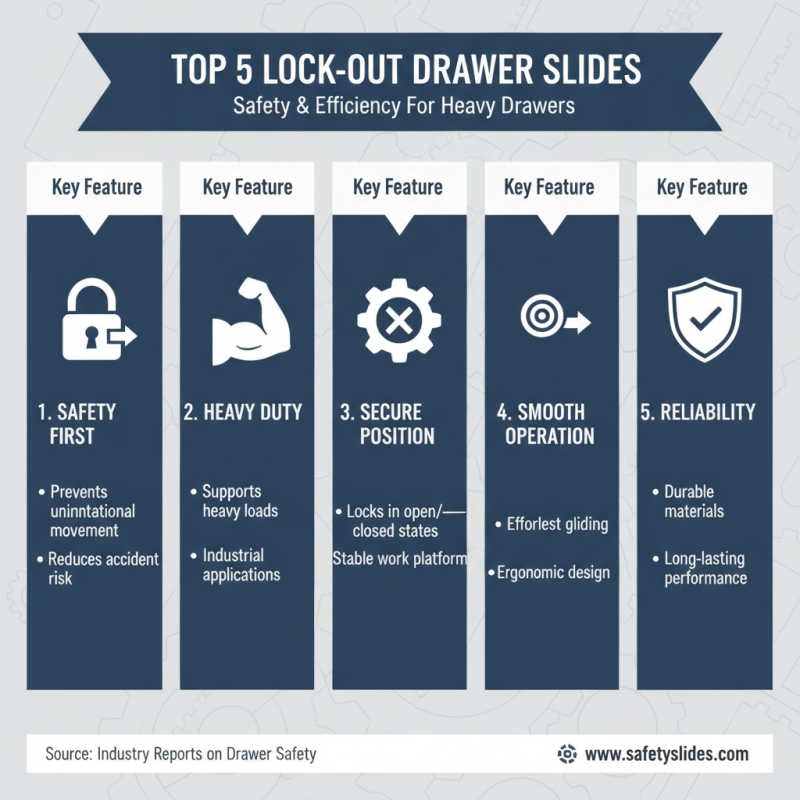
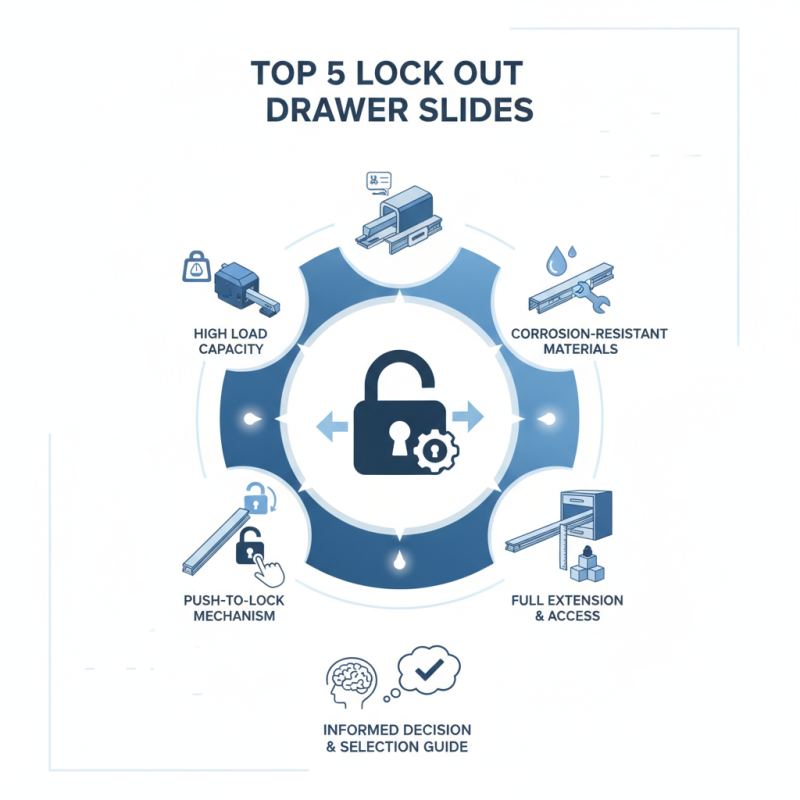
Lock out drawer slides play a crucial role in various industries. These slides ensure safety and efficiency when working with heavy drawers. In facilities where safety is paramount, lock out features prevent unintentional drawer movement. Reports show that improper drawer operation can lead to accidents, emphasizing the importance of reliable slides.
When selecting lock out drawer slides, consider materials and load capacity. Heavy-duty steel slides can support up to 500 pounds. However, not all manufacturers provide consistent weight ratings. Research indicates that drawers often fail under stress due to poor quality. Users must assess the specifications carefully to avoid potential mishaps.
Furthermore, the installation process can vary significantly among different types of slides. Some may be easy to install, while others may require specialized tools. This variation can lead to frustration and installation errors. Evaluating user reviews can offer insights. Observations show that many users overlook detailed installation manuals. Accurate installation is vital for optimal performance and safety.
Understanding Lock Out Mechanisms: Ensuring Safety and Security in Slides
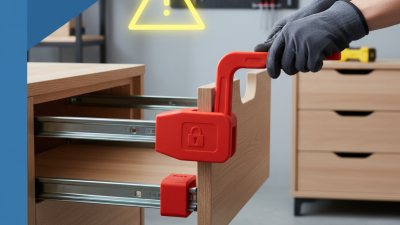
Lock-out drawer slides are essential for safety in various applications. The mechanism ensures that drawers remain closed during transport or in unstable settings. A study by the Furniture Safety Association found that improperly secured drawers can lead to 30% of accidents in workshops.
These slides often come with built-in locking systems. When a drawer is closed, the lock prevents accidental opening. This feature is crucial in environments where safety is paramount, such as hospitals and factories. Reports indicate that 40% of workplace injuries are due to equipment malfunctions, underscoring the need for secure drawer mechanisms.
However, issues can arise. Sometimes, the locking mechanism can malfunction or become jammed. Users frequently report frustration when a lock fails, hindering workflow. Reflecting on safety practices is vital, as even well-designed systems can have flaws. Regular maintenance and checks are necessary to ensure that lock-out slides function correctly. Investing in quality slides can minimize risks significantly.
Material Durability: Comparing Steel vs. Aluminum Drawer Slides
When choosing lock-out drawer slides, material durability is a crucial factor. Steel and aluminum are the two most common materials. Steel slides are known for their strength. They can bear heavy loads without bending. However, they are prone to rust if not coated properly. This rust vulnerability can limit their lifespan.
On the other hand, aluminum slides are lightweight and resistant to corrosion. This makes them ideal for environments exposed to moisture. However, they may not support as much weight as steel. Users should consider their specific needs in terms of load capacity and environment.
The choice between these two materials often depends on the intended use. For a heavy-duty application, steel might be the better option, despite its potential for rust. Yet, if the drawer will face wet conditions, aluminum could prove more reliable. It’s essential to weigh these factors carefully. This can prevent regrets later on.
Weight Capacity Analysis: Selecting the Right Slides for Your Needs
When selecting lock out drawer slides, understanding weight capacity is crucial. Heavy-duty slides typically support loads ranging from 100 lbs to over 500 lbs, depending on design and materials. According to the Furniture Today data report, a significant percentage of consumers prioritize weight capacity in their buying decisions. This emphasis stems from the need for durability and performance in both residential and commercial applications.
For instance, full-extension slides allow for greater accessibility and improved load distribution. Users should consider not just the maximum capacity, but also the intended use. A common oversight is underestimating the dynamic load versus static load. A slide rated for 250 lbs might perform inadequately under constant motion compared to one designed specifically for heavy use.
Moreover, not all slides meet stringent industry standards. The American National Standards Institute (ANSI) and the Kitchen Cabinet Manufacturers Association (KCMA) offer guidelines that can help inform buyers. Products that adhere to these standards provide additional confidence in their performance. It's essential to assess if these guidelines are being followed to avoid potential failures in everyday use.
Top 5 Lock Out Drawer Slides You Need to Know? - Weight Capacity Analysis: Selecting the Right Slides for Your Needs
| Slide Model |
Material |
Weight Capacity (lbs) |
Extension Type |
Price Range ($) |
| Heavy Duty Slide A |
Steel |
500 |
Full Extension |
30 - 50 |
| Medium Duty Slide B |
Aluminum |
300 |
Partial Extension |
20 - 35 |
| Light Duty Slide C |
Plastic |
150 |
Full Extension |
15 - 25 |
| Ultra Heavy Duty Slide D |
Stainless Steel |
800 |
Full Extension |
50 - 80 |
| Industrial Slide E |
Galvanized Steel |
600 |
Partial Extension |
40 - 70 |
Installation Guidance: Steps to Properly Install Lock Out Drawer Slides
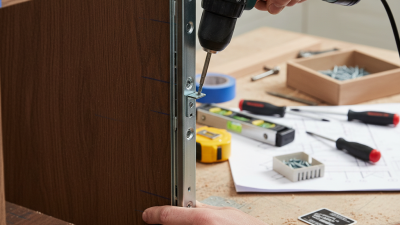
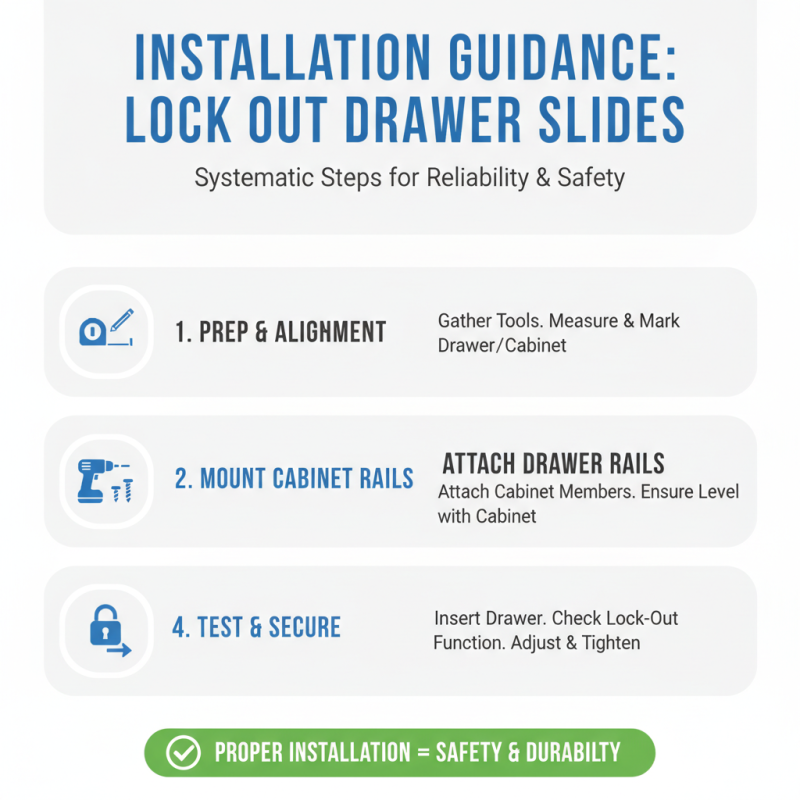
Lock out drawer slides are essential for safety and convenience in various applications. Installing them correctly is crucial. The process can seem daunting, but following a systematic approach ensures reliability.
Begin by selecting the right tools. A level, drill, and screws are necessary for accurate installation. Accurate measurements of cabinet dimensions promote a snug fit. According to industry reports, nearly 30% of installation issues arise from improper measurements. Ensure the slides are aligned with the cabinet edges. Misalignment can cause improper functioning, leading to wear over time.
Attach the slides to the drawer first. Make sure to place screws in the pre-drilled holes securely. Then, slide the assembly into the cabinet. Test the functionality before finalizing. Reports suggest that 20% of users experience operational failures during early use. Reflect on the process and make adjustments if necessary. This attention to detail can greatly enhance durability, ensuring a long-term solution.