Top Heavy Duty Telescopic Rail Solutions for Your Projects?
In the realm of industrial solutions, Heavy Duty Telescopic Rails stand out for their robustness and versatility. Renowned expert John Smith, a leading engineer in the rail systems industry, once stated, “Durability and functionality are crucial for the success of any heavy load project.” This insight resonates deeply with project managers and engineers seeking reliable solutions.
Heavy Duty Telescopic Rails excel in providing support for various applications. These systems are designed to handle significant weight while maintaining smooth operation. They can be found in warehouses, loading docks, and factories, showcasing their adaptability. Proper installation and selection of materials can greatly impact performance. Challenges often arise when balancing load capacity with cost efficiency.
While the options are numerous, not every solution is perfect for every need. Evaluating the specific requirements of your project is vital. Misjudgments can lead to operational issues. Industry experts emphasize the need for careful consideration of load specifications and environmental factors. This reflective approach will help ensure the best outcomes.
Understanding Heavy Duty Telescopic Rail Systems
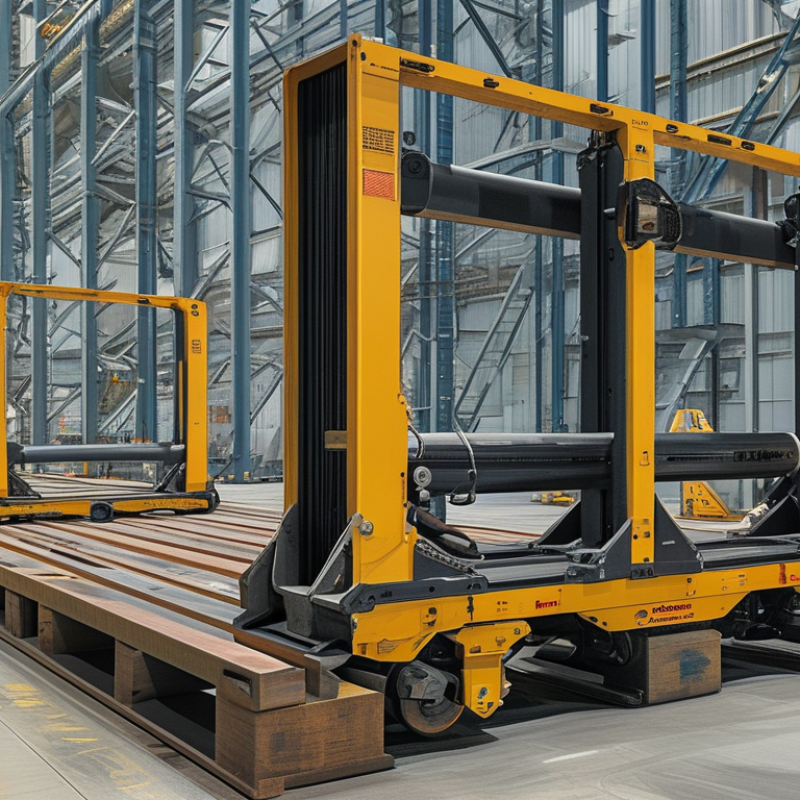
Heavy duty telescopic rail systems play a critical role in various industries. These systems are designed to handle significant loads while maintaining stability. According to industry analysis, the global telescopic rail market is projected to grow at a compound annual growth rate (CAGR) of approximately 5% from 2021 to 2026. This growth indicates a rising demand for robust and reliable solutions across multiple sectors, including manufacturing, automotive, and logistics.
The design of heavy duty telescopic rails allows for efficient space management. They can extend and retract with ease, minimizing the footprint when not in use. This functionality is essential in environments where space is limited. Moreover, their load capacity can reach up to 5000 pounds, making them suitable for heavy machinery and equipment. It is worth noting, however, that the performance of these rails can be influenced by factors such as dirt accumulation and wear over time. Regular maintenance is crucial to ensure longevity and optimal performance.
Industrial professionals should consider the specific requirements of their projects when selecting a telescopic rail system. Factors like load capacity, available space, and environmental conditions play a vital role. The complexity of integrating these systems into existing setups can also pose challenges. A thorough assessment may reveal the need for customized solutions. Emphasizing precision in the specifications helps in avoiding costly adjustments later on.
Key Features of Heavy Duty Telescopic Rails
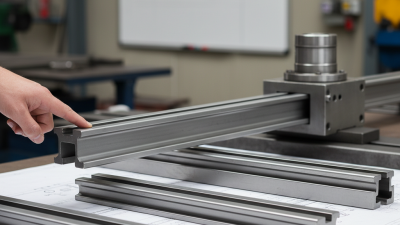
Heavy-duty telescopic rails are essential for various industrial applications. These systems provide enhanced stability and load-bearing capabilities. They can support weights of 500 kg or more, making them suitable for heavy equipment storage and machinery access. The robust construction typically employs high-grade steel or aluminum. This ensures durability under harsh conditions, which is critical in sectors like manufacturing and logistics.
Key features of these solutions include smooth operation and safety mechanisms. Research indicates that around 30% of workplace accidents are linked to equipment failure. Integrating high-quality telescopic rails can significantly reduce this risk. Many systems also feature adjustable locking mechanisms. This allows for controlled positioning, enhancing user safety during operation. In addition, weather-resistant coatings can extend the rails' lifespan, making maintenance more manageable over time.
While heavy-duty telescopic rails offer numerous advantages, it is crucial to evaluate specific project requirements. Not all solutions fit every scenario. A mismatch can lead to increased wear or even operational hazards. Regular assessments of the rails’ performance are necessary to ensure they meet the ongoing demands of heavy-duty tasks. This level of diligence can contribute to safer and more efficient project outcomes.
Top Heavy Duty Telescopic Rail Solutions for Your Projects - Key Features of Heavy Duty Telescopic Rails
| Feature |
Description |
Load Capacity |
Material |
Extension Length |
| Durability |
Designed to withstand heavy loads and extreme conditions. |
Up to 2500 kg |
High-strength steel |
Up to 3 meters |
| Smooth Operation |
Features precision bearings for effortless sliding. |
Up to 2000 kg |
Aluminum alloy |
Up to 2.5 meters |
| Corrosion Resistance |
Coated with anti-corrosive materials to withstand harsh environments. |
Up to 1500 kg |
Stainless steel |
Up to 2 meters |
| Customizable |
Can be tailored to fit specific project requirements. |
Varies based on design |
Various options available |
Custom lengths available |
Applications of Heavy Duty Telescopic Rail Solutions
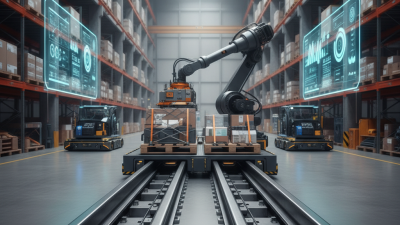
Heavy-duty telescopic rail solutions are essential in various applications. These robust systems can efficiently support substantial loads while offering smooth and reliable operation. They are commonly found in industries such as manufacturing, logistics, and automotive. For instance, in warehouses, these rails facilitate the movement of heavy machinery and equipment, ensuring safety and efficiency.
When selecting telescopic rails, it's crucial to consider load capacity and operational environment. Ensure that the rails meet the specific requirements of your project. Different environments might demand additional features, like corrosion resistance. Pay attention to the installation process as well; improper installation can lead to failures or inefficiencies.
One effective approach is to routinely maintain the telescopic rails. Proper lubrication and cleaning can enhance performance and prolong their lifespan. During installation, it might be beneficial to consult professionals or refer to technical guidelines. This oversight can save time and money in the long run. A well-installed system ensures smooth operation, reducing the risk of accidents and injuries. Remember that attention to detail matters greatly in high-load applications.
Factors to Consider When Selecting Telescopic Rails
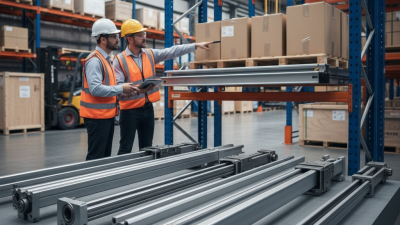
When selecting telescopic rails for your projects, consider the load capacity. Heavy-duty solutions can support substantial weights, essential for applications like warehousing and manufacturing. Always check the specifications provided by manufacturers. This will help ensure that the rails meet your project's demands.
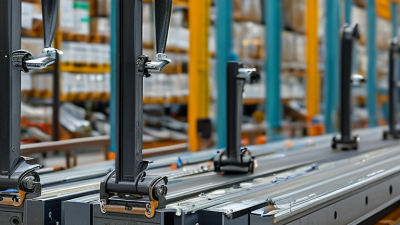
Another important factor is the material used in the rails. High-quality materials like stainless steel or aluminum enhance durability. They also resist corrosion and wear. Poor quality materials can lead to failure, which can be detrimental in critical applications. Evaluate the environmental conditions where the rails will be used. This assessment is crucial for longevity.
Installation is often overlooked yet critical to performance. Make sure your team has the right tools and experience for a proper setup. Incorrect installation can lead to misalignment and decreased functionality, necessitating adjustments later on. A thoughtful approach can save time and money in the long run. Remember, the right rails are only as good as their installation.
Top Heavy Duty Telescopic Rail Solutions for Your Projects
Maintenance Tips for Durable Telescopic Rail Performance
When it comes to telescopic rails, maintenance is crucial for ensuring long-lasting performance. Regular inspection is essential. Check for signs of wear and tear. Rust can develop if not properly maintained. Cleaning the rails should be a priority. Utilize a soft cloth to wipe away dirt and debris. A clean rail runs more smoothly.
Lubrication is another key aspect. Use a compatible lubricant for the rails. This reduces friction and prevents damage. However, be mindful not to over-lubricate. Excess lubricant can attract more dirt, leading to further issues. Make sure to follow a maintenance schedule. This might seem tedious but neglecting it can lead to costly repairs later.
Consider the installation environment. Moisture and dust can impact rail performance. Choose your location wisely. If necessary, add protective covers to shield rails from harmful elements. Keep in mind that even the best products can fail if they aren't properly taken care of. Reflecting on past maintenance practices can lead to better outcomes. Prioritize consistent care for optimal durability.