What is Heavy Duty Telescopic Rail for Your Business Needs?
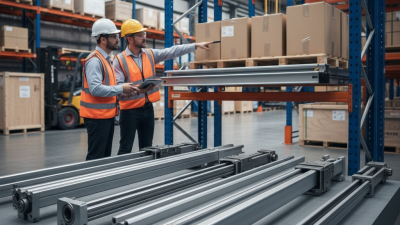
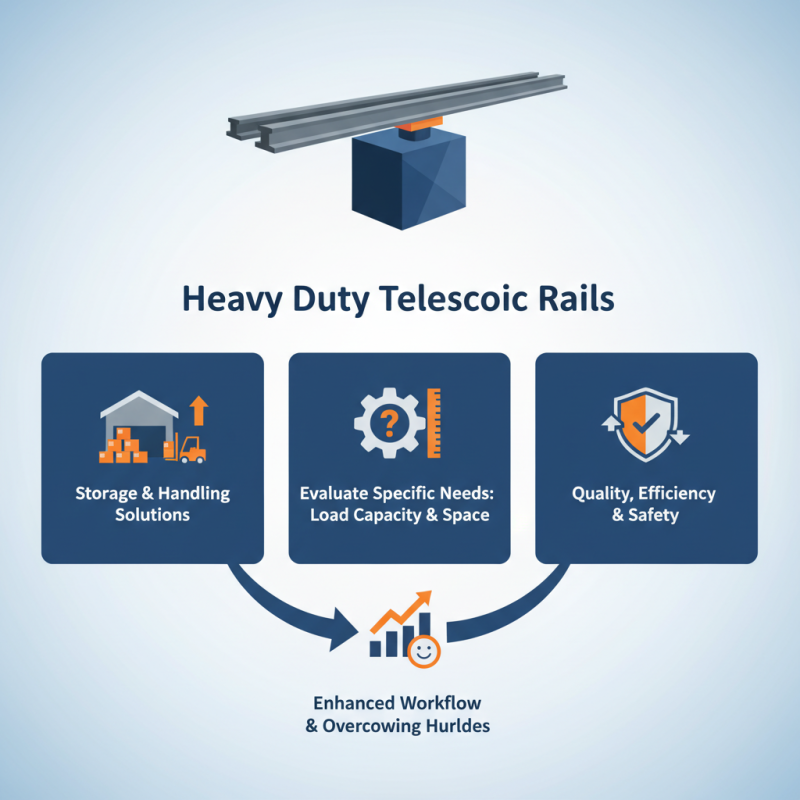
In the world of industrial applications, the importance of reliable equipment is paramount. Heavy Duty Telescopic Rail systems stand out as essential components for businesses that require robust storage and handling solutions. These rails are designed to support significant weight and heavy loads, making them a wise investment for warehouses, manufacturing facilities, and distribution centers.
When considering Heavy Duty Telescopic Rail for your operations, it’s crucial to evaluate your specific needs. These systems offer versatility and durability, adapting to various environments. However, selecting the right type requires careful consideration of factors like load capacity and installation space. Misjudging these requirements can lead to operational inefficiencies.
Ultimately, investing in Heavy Duty Telescopic Rail is not just about utility. It reflects a commitment to quality and efficiency. Businesses often face challenges in productivity due to inadequate storage solutions. Reflecting on these issues is vital. With the right telescopic rail, many operational hurdles can be overcome, enhancing overall workflow and safety.
Understanding Heavy Duty Telescopic Rails: An Overview
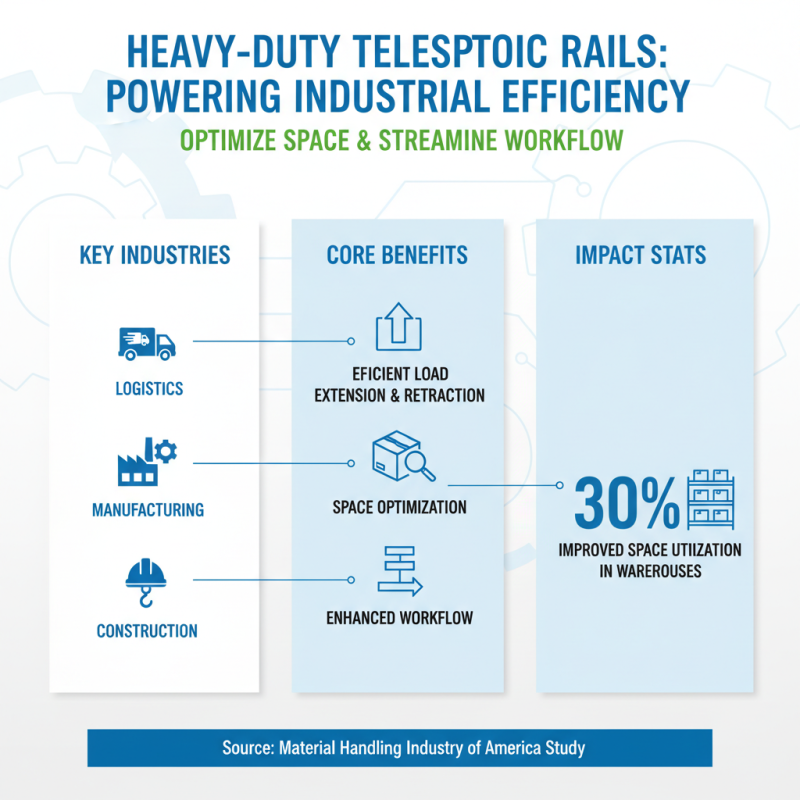
Heavy-duty telescopic rails are crucial in various industries, including logistics, manufacturing, and construction. These systems provide the ability to extend and retract loads efficiently, optimizing space and enhancing workflow. According to a study by the Material Handling Industry of America, proper rail systems can improve space utilization by up to 30%. This is significant in warehouses where every square inch counts.
When selecting heavy-duty telescopic rails, load capacity and durability are key factors. Many rails can support weights ranging from 1,000 to over 5,000 pounds, depending on the design and materials used. A report from the International Journal of Logistics Management highlights that incorrectly rated rails could lead to safety hazards. Thus, it's essential for businesses to ensure they choose products that align with their operational requirements.
However, implementing these systems is not without challenges. Regular maintenance is necessary to prevent wear and tear. Neglecting this aspect can result in costly downtime. Additionally, understanding the specific needs of an operation is vital. Companies often struggle with selecting the right configurations, which can impact performance. Balancing these aspects is essential for maximizing the benefits of heavy-duty telescopic rails in any business setting.
Applications of Heavy Duty Telescopic Rails in Various Industries
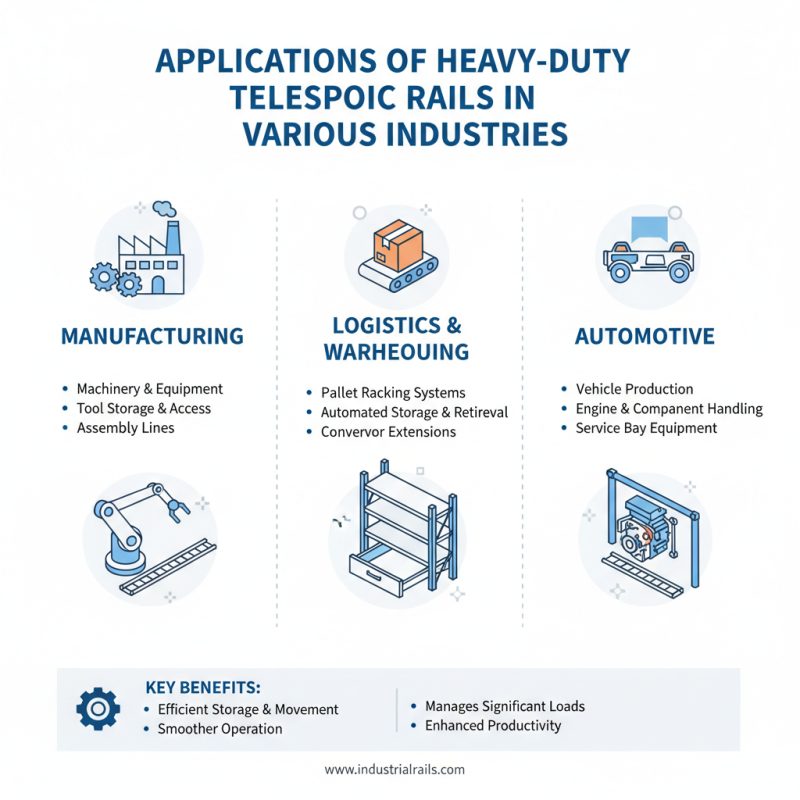
Heavy-duty telescopic rails have become essential in various industries. Their design allows for efficient storage and movement of heavy items. These rails are popular in manufacturing, logistics, and automotive sectors. The ability to manage significant loads makes them a choice for factories and warehouses. They enable smoother operation and enhance productivity.
In the automotive industry, heavy-duty telescopic rails support assembly lines. They assist in transporting heavy car parts with ease. This system can increase safety and reduce workplace accidents. Workers can access components without excessive strain. In warehouses, these rails help maximize storage space, allowing items to be stored compactly. These rails require careful installation and regular maintenance. If neglected, they can lead to malfunctioning.
Within the logistics sector, telescopic rails simplify the loading and unloading process. They reduce the time needed to move goods. While they are reliable, choosing the right specifications is crucial. If not matched correctly, they may underperform or even fail. Each industry must evaluate its specific needs. The impact of heavy-duty rails on operational efficiency is significant. They can greatly benefit businesses willing to invest in quality materials and design.
Key Features and Benefits of Heavy Duty Telescopic Rails
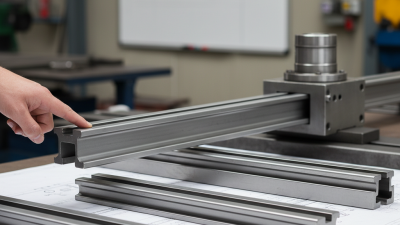
Heavy duty telescopic rails are essential for various business operations. They are designed to support heavy loads and ensure smooth movement. One of their key features is their ability to extend and retract, maximizing space efficiency. Businesses can save valuable floor space while still accessing heavy items quickly.
The durability of these rails is another significant benefit. Built with robust materials, they withstand wear and tear. This makes them a reliable choice for warehouses and manufacturing floors. Some may wonder about their installation process. It can be complex and requires careful planning. Proper installation ensures safety and functionality, yet mistakes can lead to issues later on.
Moreover, using heavy duty telescopic rails can enhance productivity. Employees spend less time searching for tools or equipment. However, initial costs can be high. It's vital to weigh these costs against long-term benefits. Investing in quality rails may demand patience and financial foresight.
How to Choose the Right Heavy Duty Telescopic Rail for Your Needs
Choosing the right heavy-duty telescopic rail is crucial for optimizing your operations. Assessing your specific needs is the first step. Consider the weight capacity required based on your materials. Understanding the load ratings of various rails helps you make informed choices. For instance, a heavy-duty rail should support the maximum weight you plan to use without bending or warping.
Next, think about the environment where the rail will be used. Corrosive elements or extreme temperatures can affect performance. Choose materials that can withstand these conditions. Aluminum or steel might be ideal options for durability. Check for features such as anti-jamming mechanisms to enhance efficiency during operation.
Also, remember to consider installation and maintenance needs. Some rails are easier to install than others. Find products that require minimal upkeep. That said, you might find that every choice has its trade-offs. Inadequate maintenance could lead to safety hazards or operational inefficiencies. It’s essential to evaluate your long-term needs and choose a rail system that aligns with your business goals.
Maintenance Tips for Optimizing Heavy Duty Telescopic Rail Performance
Maintaining heavy-duty telescopic rails can significantly enhance their performance and lifespan. Regular inspection is crucial. Look for signs of wear, corrosion, or misalignment. These small issues can become costly problems if left unaddressed. Clean the rails frequently, as dirt and debris may interfere with their operation. A clean surface allows for smooth movement and reduces friction.
Lubrication is vital for optimal performance. Use the right type of lubricant specified for your rails. Over time, lubricant can dry out or become contaminated. Always check the manufacturer’s recommendations for intervals between applications. A common mistake is skipping this step or applying the wrong product.
Consider environmental factors, such as humidity and temperature. They can impact the metal's expansion and contraction. This could lead to misalignment or binding. Having a routine maintenance schedule is essential. Document each inspection and maintenance action. It can provide insights into potential recurring issues. Reflection on past maintenance experiences helps develop more effective strategies.