Top 10 Metal Drawer Glides for Smooth and Quiet Operations?
When it comes to choosing the best Metal Drawer Glides, expert opinions can make a significant difference. John Miller, a renowned specialist in drawer hardware, once said, “Smooth operation and quiet functionality are essential for any drawer system.” This highlights the importance of selecting high-quality glides for your furniture.
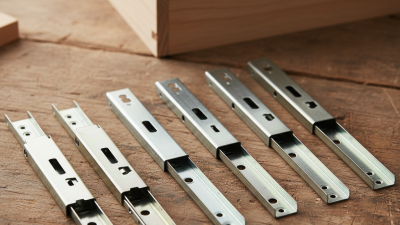
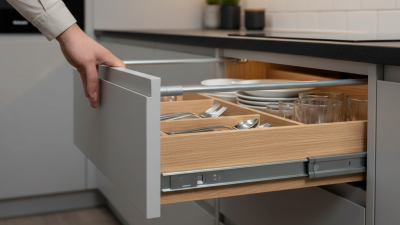
Metal Drawer Glides are vital for ensuring that drawers open and close with ease. Poor-quality glides can lead to squeaks and jams, frustrating users. The market offers various options, but not all glides are created equal. Understanding the differences is key to making an informed choice.
When evaluating Metal Drawer Glides, consider factors like durability and load capacity. Investing in the right glides can save time and effort in the long run. Many homeowners overlook these aspects. Yet, the right glide can transform everyday tasks. Reflecting on the actual use of these glides, the importance of smooth operations becomes evident.
Top Features to Look for in Metal Drawer Glides
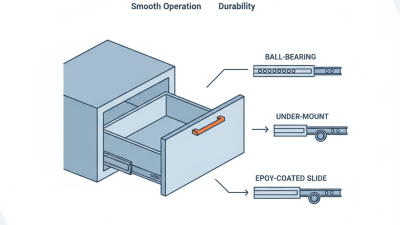
When choosing metal drawer glides, several key features enhance performance. Smooth operation is paramount. High-quality glides employ ball-bearing systems, ensuring effortless drawer movement. According to a recent industry report, drawers with such systems exhibit a 40% reduction in friction. This means less wear and tear over time, ultimately prolonging the life of both the glide and the drawer.
Durability is another critical factor. Opting for glides made from high-grade steel offers strength. Better materials resist bending and warping. However, reports indicate that even top-rated glides can fail if exposed to moisture. They are not infallible and may corrode. This is crucial for environments with high humidity.
Weight capacity also matters. Many glides support weights up to 100 pounds, making them suitable for heavy items. However, overloading can lead to malfunction. Anecdotal evidence suggests that users often underestimate drawer capacity. This oversight can cause hiccups in daily operations. Ensuring glides fit the intended use is vital for longevity and reliability.
Comparison of Popular Metal Drawer Glide Types
When exploring metal drawer glides, it’s essential to understand their
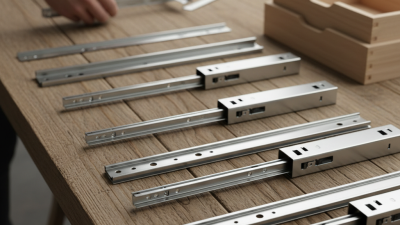
various types. Different designs cater to diverse needs and preferences. Common options include
side-mount, center-mount,
and under-mounted glides. Each type offers unique characteristics
and installation requirements. Side-mount glides are prevalent due to their easy installation
and strong support. However, they can be visible when the drawer is open, which may not appeal to all users.
Center-mount glides, on the other hand, provide a cleaner look. They
are discreet and fit under the drawer. One drawback is their lower weight capacity compared to side-mount
options. Under-mounted glides fall between the two, offering a hidden installation. They
deliver smooth operation and often allow for soft-close features. Yet,
their installation can be more complex.
Choosing the right glide is crucial for achieving smooth operations. You must consider factors like
weight capacity and aesthetics.
Improper selections may lead to issues like drawers sticking or not closing completely. It’s worth reflecting
on your specific needs before making a decision. Not all glides will meet every expectation, and sometimes,
trial and error helps identify the best solution.
Impact of Load Capacity on Drawer Glide Performance
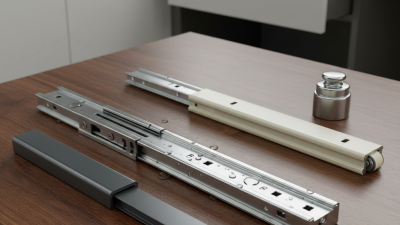
Load capacity is crucial for drawer glides. It directly affects their performance and durability. Each glide type is designed for specific weights. Exceeding this weight can lead to wear and tear. It may cause malfunction over time.
Heavier drawers need robust glides. They should provide adequate support under stress. Many assume any glide works for all drawers. This is often misleading. Choosing the right glide isn't just about weight. The materials and design also play key roles. Poor choices can result in noisy or jerky operations.
Sometimes, users overlook the importance of load capacity. They experience frustration with drawers that stick or squeak. Understanding your requirements is vital. Consider how often the drawer will be opened and closed. Regular use can amplify issues if the capacity is misjudged. Investing time to evaluate needs enhances long-term satisfaction.
Noise Reduction Technologies in Metal Drawer Glides
Noise reduction is crucial in modern furniture design.
Metal drawer glides have advanced significantly, utilizing innovative technologies to minimize noise. According to recent industry studies, deep noise absorption materials can reduce drawer noise by up to 40%. These technologies ensure a smoother, quieter operation, enhancing user experience.
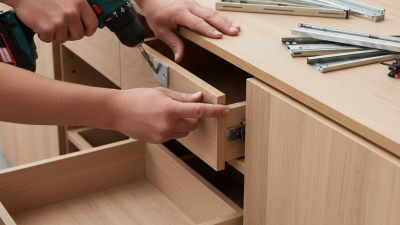
Rubber bumpers and cushioned slides are effective in dampening sound. Additionally, precision engineering in glide design contributes to reduced friction. This leads to improved functionality and longevity in metal drawer systems. Ensuring the proper installation of these glides can impact their effectiveness in noise reduction.
Tip: Consider choosing metal drawer glides with a higher weight capacity. They often feature better construction and materials. Also, regular maintenance can ensure optimal performance. Use silicone spray on glides periodically for smoother operation.
Maintenance Tips for Prolonging Metal Drawer Glide Lifespan
Maintaining metal drawer glides is essential for smooth and quiet operation. Regular cleaning prevents dirt build-up. Dust and grease can create noise and hinder movement. Use a soft cloth to remove surface debris. Focus on corners where grime hides. A simple wipe can ensure glides function optimally.
Lubrication is vital. A few drops of silicone or graphite lubricant can reduce friction. Avoid over-lubricating; too much can attract dust. Apply the lubricant sparingly, ensuring even coverage. Check glides regularly for signs of wear. Look for rust or bent components. Addressing small issues early can prolong glide lifespan significantly.
Installing dampers can further silence operation. These devices cushion the drawer when closed. However, they may need occasional adjustment. Often, users forget to check their settings, leading to increased noise over time. Frequent inspection and minor adjustments keep metal drawer glides performing well. Regular attention can make a significant difference in longevity and performance.