Top 10 Drawer Channel Designs for Maximum Storage Efficiency?
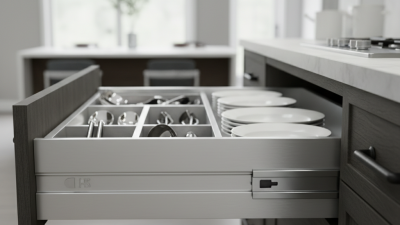
In modern interiors, the efficiency of storage solutions is paramount. Drawer channels play a crucial role in maximizing space utilization. According to a report by the National Kitchen and Bath Association, effective storage designs can improve efficiency by up to 30%. This aligns with the growing trend toward minimalism and multifunctionality in home design.
Different drawer channel designs present unique advantages. For instance, soft-close systems enhance user experience and prevent wear. However, not all drawer channels are created equal. Some may sag under heavy loads or require frequent maintenance. Industry studies indicate that 40% of users are dissatisfied with their current storage solutions, underscoring an opportunity for improvement.
Choosing the right drawer channel can significantly influence the overall functionality of a space. With innovative designs emerging, the challenge lies in selecting the most efficient option for specific needs. Reflecting on personal preferences and practical applications will lead to a more satisfying storage experience. The goal is to create a space that is both aesthetically pleasing and highly functional.
Understanding Drawer Channel Design for Storage Efficiency
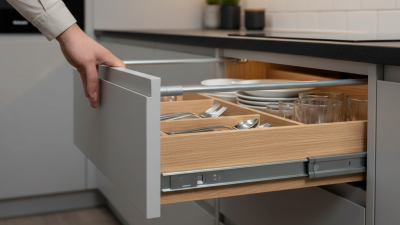
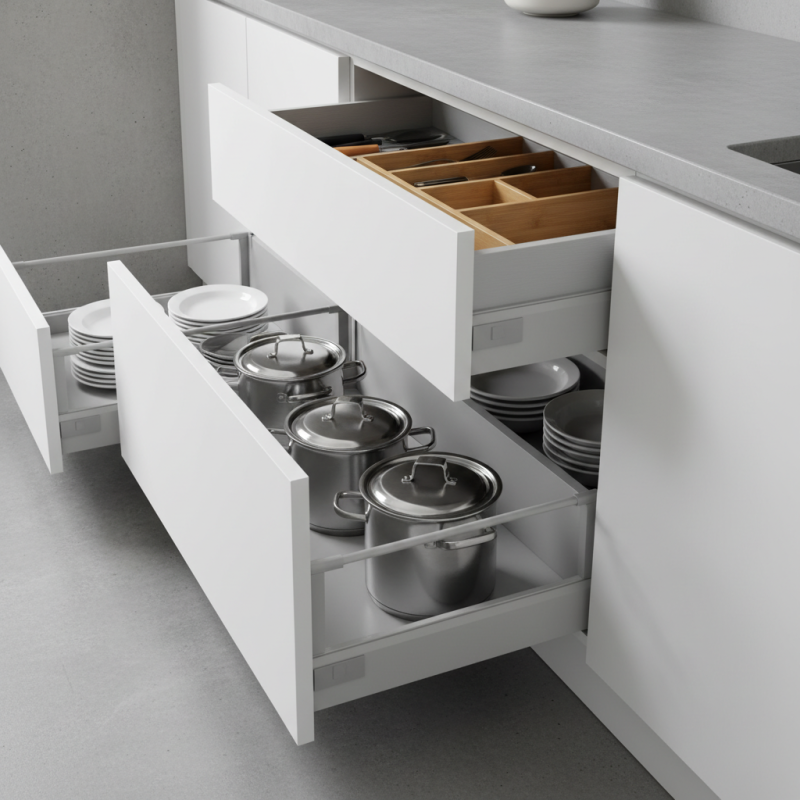
When considering drawer channel design, storage efficiency is key. The right design maximizes space and minimizes clutter. For instance, soft-close channels create a quiet and sleek experience. They also reduce wear and tear over time. However, they can sometimes be pricier. Reflecting on your budget is essential.
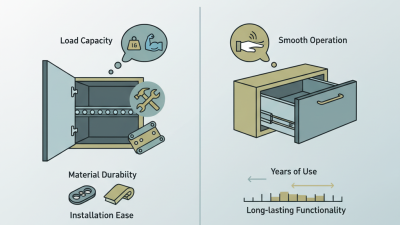
Choosing a channel material matters too. Metal channels tend to last longer and support more weight. Wood, although aesthetically pleasing, can warp over time. Think about the longevity of your choice versus the initial cost. Sometimes, the most visually appealing option is not the most practical.
Tips: Always measure your drawer space accurately. This step ensures a perfect fit for your chosen channels. Additionally, consider adjustable designs. They are versatile and can adapt to different storage needs. Don’t forget to inspect the weight capacity. It’s easy to overlook this detail, but it can affect overall functionality and safety.
Key Features of Effective Drawer Channel Systems
When designing drawer channels, several key features can enhance storage efficiency. Smooth gliding mechanisms are essential. They enable effortless access to items stored at the back. The right materials can also play a significant role. Metal channels often provide durability, while plastic options might be lighter and easier to install.
Adjustability is crucial in effective drawer systems. Users should be able to modify the channel height. This allows for versatile storage solutions. Some designs incorporate built-in dividers, promoting better organization. It prevents clutter and makes items more visible. However, too many compartments can lead to confusion. Finding the right balance is key.
Consider the overall installation process as well. Complicated setups can deter users from fully utilizing the drawer space. A design should be user-friendly, promoting easy assembly. Ultimately, small details, like soft-close features, can make a big difference. They add convenience, but might not suit everyone's needs. Reflecting on these elements can guide better storage solutions.
Top 10 Drawer Channel Designs for Maximum Storage Efficiency
| Design |
Material |
Load Capacity |
Feature |
Efficiency Rating |
| Double-Walled Channel |
Aluminum |
150 lbs |
Smooth Sliding |
9/10 |
| Modular Channel |
Steel |
200 lbs |
Interchangeable Parts |
8/10 |
| Ball Bearing Channel |
Plastic |
100 lbs |
Ultra-Silent Operation |
7/10 |
| Heavy-Duty Track |
Stainless Steel |
250 lbs |
Rust Resistant |
10/10 |
| Soft Close Channel |
Composite Material |
120 lbs |
Gentle Closing |
8/10 |
| Adjustable Channel |
Aluminum |
130 lbs |
Custom Fit |
7/10 |
| Ventilated Channel |
Plastic |
90 lbs |
Airflow Design |
6/10 |
| Heavy Gauge Channel |
Mild Steel |
275 lbs |
Overload Resistant |
9/10 |
| Lightweight Composite Channel |
Polymer |
75 lbs |
Flexible Use |
5/10 |
| Smart Channel |
Smart Material |
Varies |
Integrated Technology |
9/10 |
Top Materials Used in Drawer Channel Manufacturing
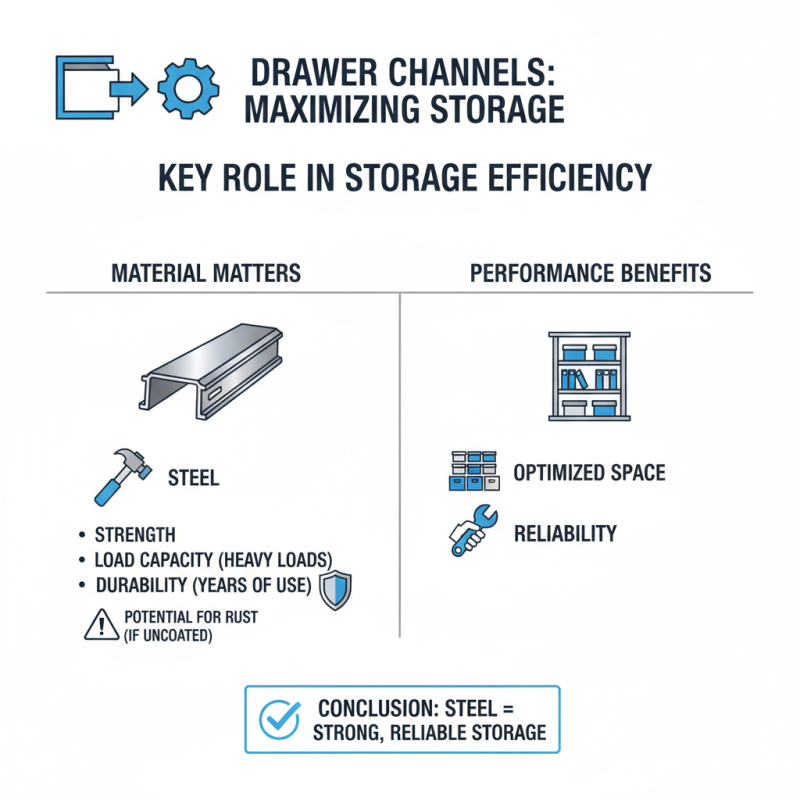
Drawer channels play a vital role in maximizing storage efficiency. The materials used in their construction can significantly impact their functionality and durability. A popular choice is steel. It offers strength and resistance to bending. Steel channels can handle heavy loads while remaining stable over years of use. However, they may rust if not properly coated.
Another common material is aluminum. Lightweight yet strong, aluminum is resistant to corrosion. This makes it ideal for areas with high humidity. Unfortunately, its softer nature means it may not withstand heavy impacts well. Plastic is also on the rise. It’s lightweight and can be shaped into complex designs. However, the longevity of plastic channels may fall short compared to metal options. Each material has pros and cons that should be weighed carefully.
Wood can be an attractive yet functional choice for drawer channels. It provides aesthetic appeal and good structural support. However, wood can warp or expand in moist environments, which could lead to problems. Every material has its merits and drawbacks. It’s essential to consider the intended use and environment for optimal performance. Identifying the right material helps achieve storage goals effectively.
Comparative Analysis of Various Drawer Channel Styles
When considering drawer channel designs, efficiency is key. Different styles can greatly impact storage capacity. Some designs allow for smooth gliding, while others maximize vertical space. This variation affects how much can fit inside each drawer. For instance, full-extension channels can offer better access but may sacrifice some stability.
On the other hand, traditional rail channels provide strong support but limit drawer access. Reflecting on personal needs is essential here. Do you prioritize easy access to items? Or is sturdiness more important for your storage? Each design has trade-offs. Aesthetics might also play a role. A design might look sleek but lacks practical functionality. Consider the environment where these drawers will be used, as well.
In smaller spaces, maximizing every inch becomes crucial. Some drawer styles may seem appealing but can lead to frustration if they don't fit well. Think about the future too. Will these designs still meet your needs as storage demands change? Analyzing these aspects will enhance your storage efficiency and ultimately your space usability.
Tips for Selecting the Right Drawer Channel for Your Needs
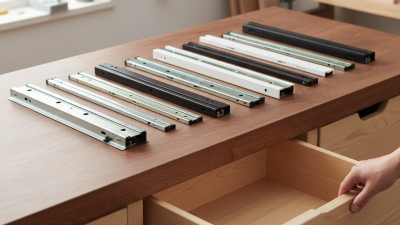
When selecting the right drawer channel, consider weight capacity. According to industry reports, heavy-duty channels can support up to 200 pounds. This is crucial for maximizing storage efficiency. The choice between side-mount and bottom-mount channels can affect overall drawer functionality as well.
Side-mount channels provide easy installation and adjustability, while bottom-mount channels offer more stability.
Think about the material as well. Steel channels, though heavier, offer durability. Wood channels can look aesthetically pleasing but may not support heavy loads. Choosing the wrong material can lead to failure and loss of items. Opt for a soft-close feature. Reports indicate that more than 60% of users prefer this, as it prevents slamming and enhances longevity.
Reflect on your needs. If you have many small items, consider shallow drawers with multiple channels. For bulkier items, deeper drawers with fewer channels work better. Be aware of available space. Many designs don't fit standard cabinet sizes. Unfortunately, some users only realize this after purchasing. Take time to measure twice and select wisely.