Top 10 Cabinet Runners Drawer Runner Types You Should Consider?
In the world of furniture design, selecting the right "Cabinet Runners Drawer Runner" can significantly impact both functionality and aesthetics. As industry expert John McKinley once said, "The right runners enhance the user experience and ensure longevity." With an array of options available, making a choice can feel overwhelming.
Consider the different types of cabinet runners available. Some are designed for smooth gliding, while others focus on durability. High-quality materials can elevate the overall feel of your cabinets. Yet, many overlook the importance of this choice. It’s easy to prioritize style over function, but this can lead to frustration.
Investigating various types of Cabinet Runners Drawer Runner can help you find the right fit. Each type has its distinct advantages and challenges. Reflecting on your needs and preferences is crucial. Don't rush the decision; taking time now can save headaches later.
Types of Cabinet Runners: Understanding the Basics and Selection Criteria
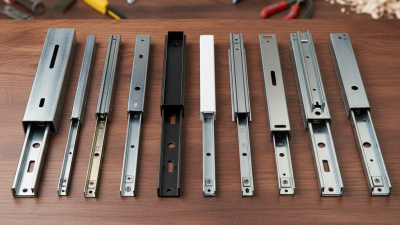
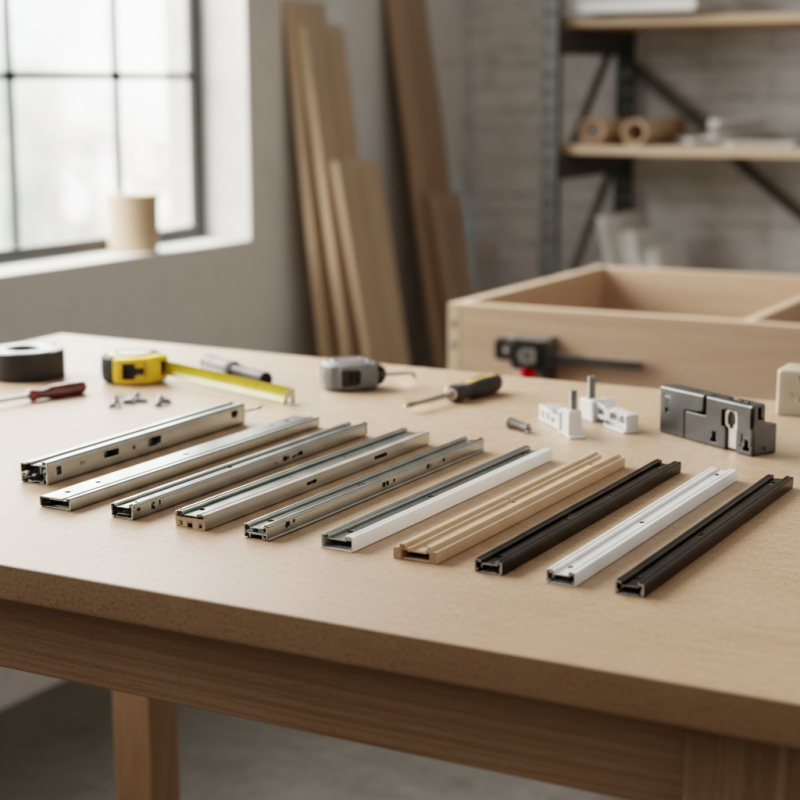
Choosing the right cabinet runners can greatly impact functionality. There are various types to consider. Understanding the basics is essential before making a selection.
Slide runners are popular for their smooth operation. They work well in standard drawers but may not support heavy loads. Soft-close runners add value by minimizing noise when closing. However, they can sometimes be tricky to install properly. Ball-bearing runners are another option. They offer durability but may require more maintenance over time.
It’s crucial to evaluate your specific needs. Consider drawer weight, frequency of use, and aesthetics. Even the best options have flaws. Some may become noisy or sticky with age. Reflect on what matters most for your space. Ultimately, making a well-informed choice leads to better organization and accessibility.
Top 10 Cabinet Runners Drawer Runner Types You Should Consider
| Runner Type |
Material |
Load Capacity |
Common Use |
Price Range |
| Ball Bearing Runners |
Steel |
Up to 100 lbs |
Kitchen Cabinets |
$10 - $30 |
| Side Mount Runners |
Aluminum |
Up to 75 lbs |
Closets |
$5 - $20 |
| Center Mount Runners |
Steel |
Up to 100 lbs |
Pantry Drawers |
$15 - $25 |
| Under-Mount Runners |
Plastic/Steel |
Up to 150 lbs |
High-End Cabinets |
$25 - $50 |
| Soft Close Runners |
Steel |
Up to 100 lbs |
Kitchen and Bathroom Drawers |
$20 - $45 |
| Heavy-Duty Runners |
Steel |
Over 150 lbs |
Workshop Cabinets |
$30 - $70 |
| Sliding Runners |
Plastic |
Up to 60 lbs |
Storage Drawers |
$10 - $25 |
| File Cabinet Runners |
Steel |
Up to 80 lbs |
Office Cabinets |
$15 - $35 |
| Plywood Runners |
Plywood |
Up to 100 lbs |
Custom Cabinets |
$15 - $30 |
| Telescopic Runners |
Aluminum/Steel |
Up to 120 lbs |
Utility Drawers |
$25 - $55 |
Ball Bearing Drawer Slides: Benefits and Performance Metrics
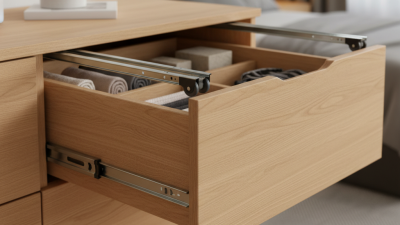
Ball bearing drawer slides offer a modern solution to smooth and reliable drawer operation. These slides use steel balls to reduce friction, enhancing performance. This means that drawers glide open with minimal effort. The load capacity is also impressive, allowing heavier items to be stored without issues. When loaded correctly, they can last for years.
However, installation can be tricky. Precision is key, and misalignment can lead to frustrating experiences. It's essential to double-check measurements. Improper installation may cause the slides to bind or wear out prematurely. Make sure to choose the right thickness and length for your drawers. Doing so will contribute to their longevity.
Maintenance is another aspect to consider. While ball bearing slides are durable, they still require periodic cleaning. Dust and debris can accumulate, affecting performance. Regular checks can prevent performance degradation over time. A little upkeep goes a long way. In conclusion, these slides can enhance your drawer system when chosen and maintained correctly.
Side Mount vs. Undermount: Which Drawer Runners Suit Your Needs?
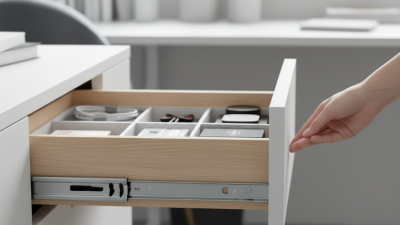
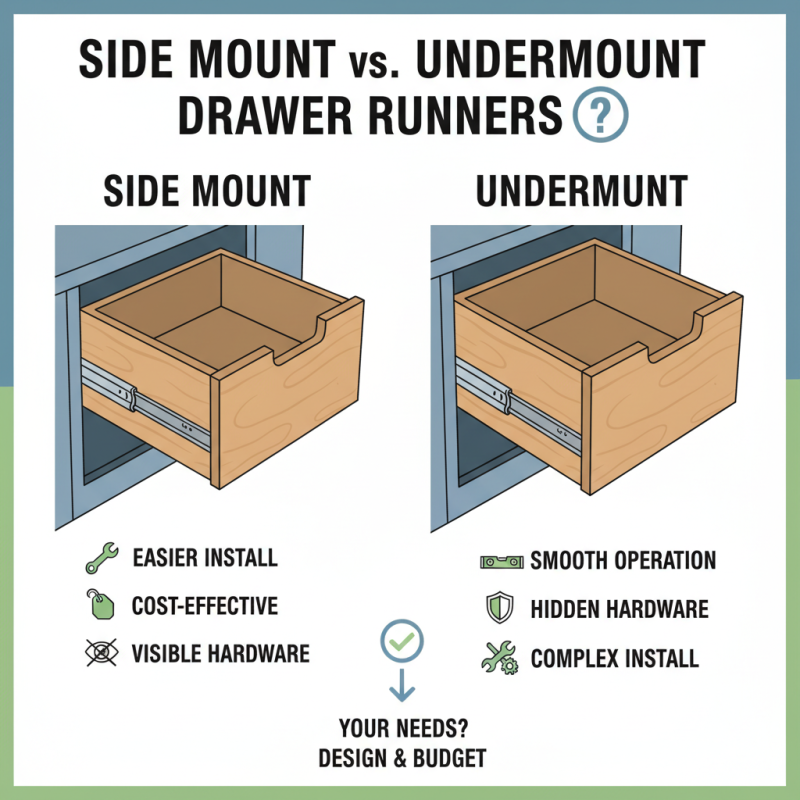
When considering drawer runners, side mount and undermount options are popular choices. Side mount runners attach to the sides of the drawer. They are visible and easier to install. This visibility can be a downside for some, as it may not fit all designs. However, they often provide a cost-effective solution. The installation process allows for quick adjustments during setup.
On the other hand, undermount runners are hidden beneath the drawer. They offer a sleek look since the hardware is concealed. This can create a seamless, modern aesthetic. But installation can be tricky. Proper alignment is crucial for smooth operation. Mistakes during installation can lead to drawer misalignment. Precision is key here.
Choosing the right type depends on your needs. If you prefer ease and affordability, side mounts may be your best option. But if you lean towards a modern finish, undermounts could be worth the extra effort. Take a moment to assess your space before making a decision. Consider the look you want and the functionality you need.
Soft-Close Mechanisms: Enhancing User Experience and Longevity
Soft-close mechanisms in cabinet runners significantly enhance user experience. These systems allow drawers to close gently, reducing noise and preventing slamming. According to a report by the Cabinet Makers Association, soft-close features increase cabinet longevity by up to 50%. This reduction in wear and tear is crucial for households that prioritize durability.
While soft-close mechanisms offer many benefits, they aren’t foolproof. Users may find that some systems fail to function properly over time. Operational issues can arise from improper installation or inadequate maintenance. Regular checks and adjustments are essential to maintain their effectiveness and avoid frustrating experiences.
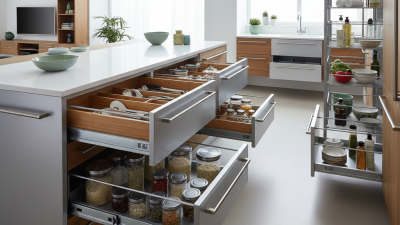
In high-traffic kitchens, soft-close features can also help maintain peace. Many families appreciate the quiet closure during busy cooking times. Yet, some might overlook the initial costs associated with these advanced mechanisms. They may be higher than standard options, which prompts questioning of their overall value in home improvement. Balancing cost and functionality should be part of any renovation plan.
Weight Capacity and Material Considerations for Drawer Runners
Choosing the right drawer runners is crucial for functionality. Weight capacity and material are significant factors. Common materials include steel, plastic, and aluminum.
Steel runners offer high weight capacity but can be prone to rust. Plastic runners are lighter but often have lower weight limits. Aluminum provides a balance between weight and strength.
According to a study by the Furniture Industry Association, the average weight capacity for drawer runners ranges from 50 to 150 pounds, depending on the design and materials used. Ensure you check the specifications. If your drawers will hold heavier items, opt for steel or reinforced models. For lighter applications, plastic can suffice.
Tip: Always consider the weight of your intended contents. Measure before choosing your runners. Remember to think about installation ease too. Some runners require advanced tools or skills. It’s best to opt for runners that match your skill level. Reflect on potential future changes in usage to avoid frequent replacements. Choose wisely, as a poor choice can lead to frustration.