Top 10 Cabinet Runners Drawer Runner Types to Enhance Your Storage Solutions?
Storage solutions can often feel limited. A poorly organized drawer can hinder accessibility, creating frustration. This is where Cabinet Runners Drawer Runner types come into play. They enhance the functionality of your cabinetry, making it easier to access your items.
There are various types available, each serving unique storage needs. Some runners are designed for heavy loads, while others work best for lighter items. Choosing the right runner is crucial for optimal performance. An inappropriate selection can lead to ineffective use of space.
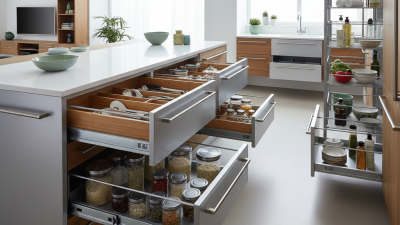
Cabinet Runners Drawer Runner systems not only improve organization but also the overall aesthetic of your kitchen or workspace. Consider how these runners can transform your storage. You might find that a simple upgrade can make a significant difference. It's worth reflecting on your current drawer systems and how they might be improved.
Top 10 Types of Cabinet Runners: A Comprehensive Overview
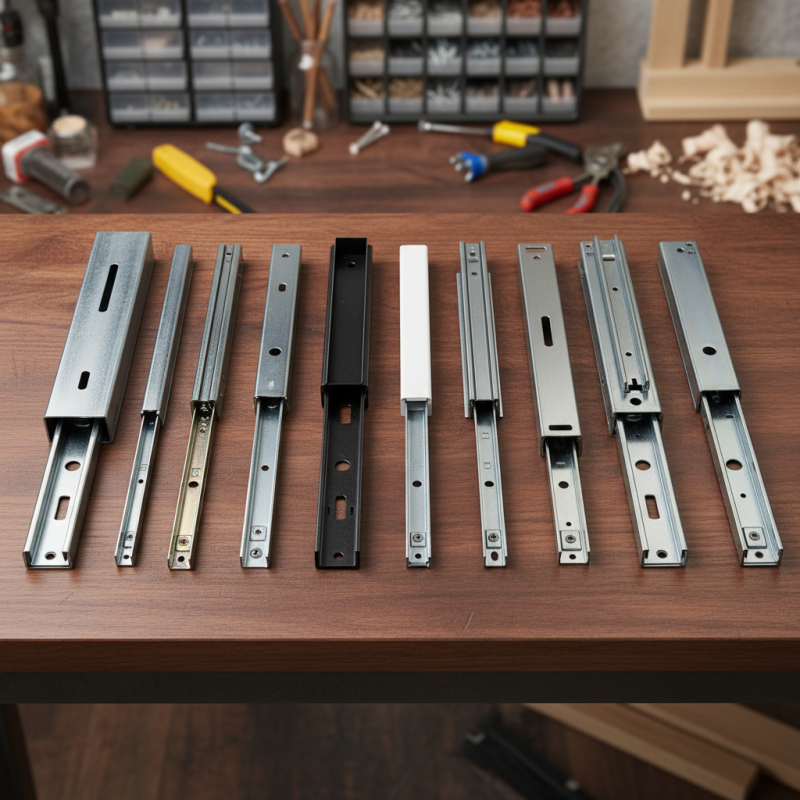
Choosing the right cabinet runners can significantly enhance your storage solutions. There are various types to consider. One popular option is ball bearing runners. They glide smoothly, providing easy access. However, they might require more maintenance than you expect.
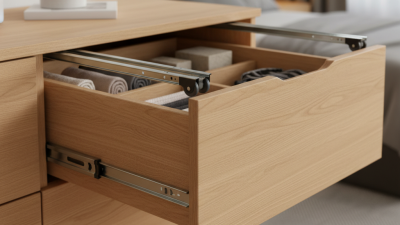
Another common type is side-mounted runners. They are sturdy and often quite simple to install. Yet, their weight capacity can sometimes be a limitation. For those looking for a heavy-duty solution, you might explore undermount runners. They offer excellent stability but can be tricky to adjust.
Finally, there are soft-close runners. They prevent slamming, ensuring delicate items aren’t damaged. But be aware, they can be more expensive upfront. Each type presents its own set of advantages and challenges. Consider your specific needs carefully for the best results.
Top 10 Cabinet Runners Drawer Runner Types to Enhance Your Storage Solutions
| Type |
Material |
Load Capacity (lbs) |
Usage |
Price Range ($) |
| Side Mount Runners |
Steel |
75 |
Standard Drawers |
10-30 |
| Under Mount Runners |
Aluminum |
100 |
High-End Cabinets |
20-50 |
| Ball Bearing Runners |
Steel |
150 |
Heavy-Duty Applications |
30-70 |
| Euro Style Runners |
Composite |
60 |
Modern Cabinets |
15-35 |
| Plastic Runners |
Plastic |
30 |
Lightweight Drawers |
5-15 |
| Soft Close Runners |
Steel |
100 |
Luxury Cabinets |
30-80 |
| Dovetail Runners |
Wood |
50 |
Traditional Furniture |
20-40 |
| Heavy-Duty Runners |
Steel |
200 |
Industrial Use |
50-100 |
| Push to Open Runners |
Steel |
75 |
Modern Designs |
25-55 |
| Telescoping Runners |
Aluminum |
120 |
Large Drawers |
35-75 |
Understanding Sliding Mechanisms: Ball Bearings vs. Roller Systems
When enhancing storage solutions, understanding sliding mechanisms is essential. Ball bearings and roller systems play crucial roles in cabinet runners. Ball bearing systems offer smooth, frictionless motion. They reduce wear and tears significantly. This results in longer-lasting drawers. Reports suggest that ball bearings can extend the lifespan of a drawer system by up to 60%.
On the other hand, roller systems are simpler. They are often quieter and can support heavier loads. However, they might not glide as seamlessly as ball bearings. A study indicated that roller systems can experience more drag over time. This can lead to frustration during use. Users might find the need to replace them more frequently than they would prefer.
The choice between these mechanisms can be tricky. Individual needs vary widely. If smooth operation is a priority, ball bearings are ideal. However, for heavier storage requirements, roller systems may be better. Each option has its pros and cons. It’s critical to assess specific needs and space constraints. The right choice can greatly impact the overall functionality of a storage system.
Top 10 Cabinet Runners Drawer Runner Types to Enhance Your Storage Solutions
Material Matters: Metal vs. Plastic Drawers and Their Load Capacities
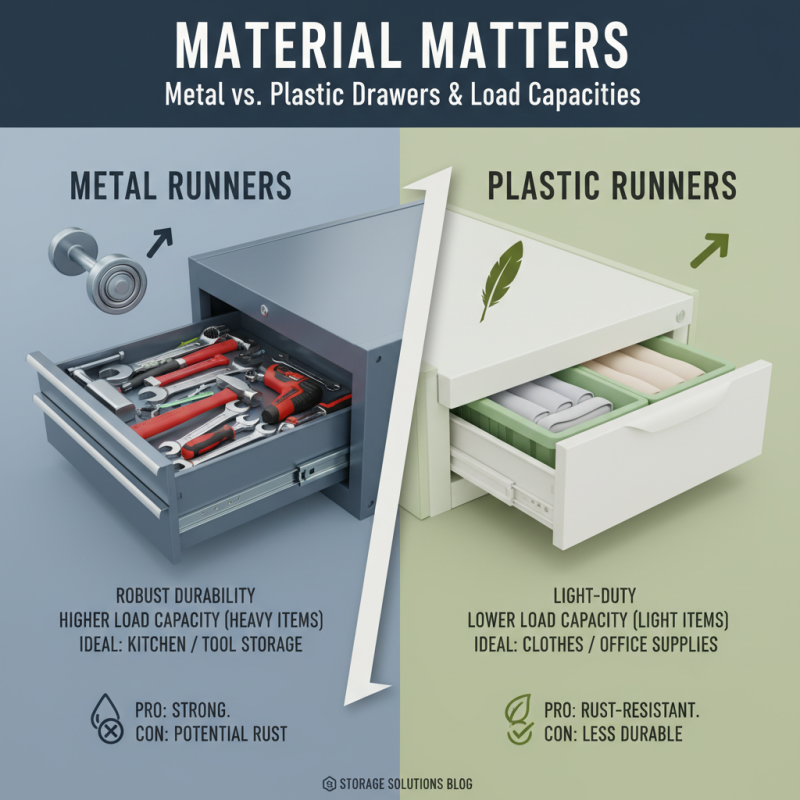
When it comes to drawer runners, the material you choose plays a crucial role in performance. Metal and plastic are the two primary options. Metal runners offer robust durability and higher load capacities. They can handle heavy items effectively. This makes them perfect for kitchen or tool storage. However, metal can sometimes be prone to rust if not properly treated.
On the other hand, plastic runners are lightweight and often more affordable. They work well in lighter applications, such as craft drawers or office supplies. Yet, they may struggle under heavier weights. If you fill a plastic drawer with too much, expect buckling. It’s essential to assess what you plan to store before making a choice.
**Tip**: Always check load ratings. Buy a runner that meets your weight needs. Regularly inspect your drawers for wear. This helps avoid unexpected failures. Choose wisely, considering both the weight and the environment of your storage solutions.
Weight Load Ratings: How to Choose the Right Runner for Your Needs
When choosing drawer runners, weight load ratings play a crucial role. The right runner can make or break your storage solutions. Assessing your needs is essential. Consider the items you will store. For example, heavy tools require robust runners. Lightweight accessories need something less sturdy.
Each type of runner has different load capacities. Some can handle 50 pounds, while others might manage 100 pounds or more. It’s wise to match the runner's capacity to the expected weight. Overloading can lead to damage. Imagine a drawer collapsing under the weight. That could ruin valuable items and cause headaches.
However, weight ratings aren’t the only factor. The material and quality of the runner also matter. Metal runners tend to be more durable than plastic ones. Yet, plastic runners may slide more smoothly. Evaluate how often you use each drawer. Frequent use might need better durability. Don’t forget to check the installation process. Complications here could lead to improper support. A thoughtful approach can yield rewarding results in your storage solutions.
Installation Techniques: Expert Tips for Maximizing Drawer Functionality
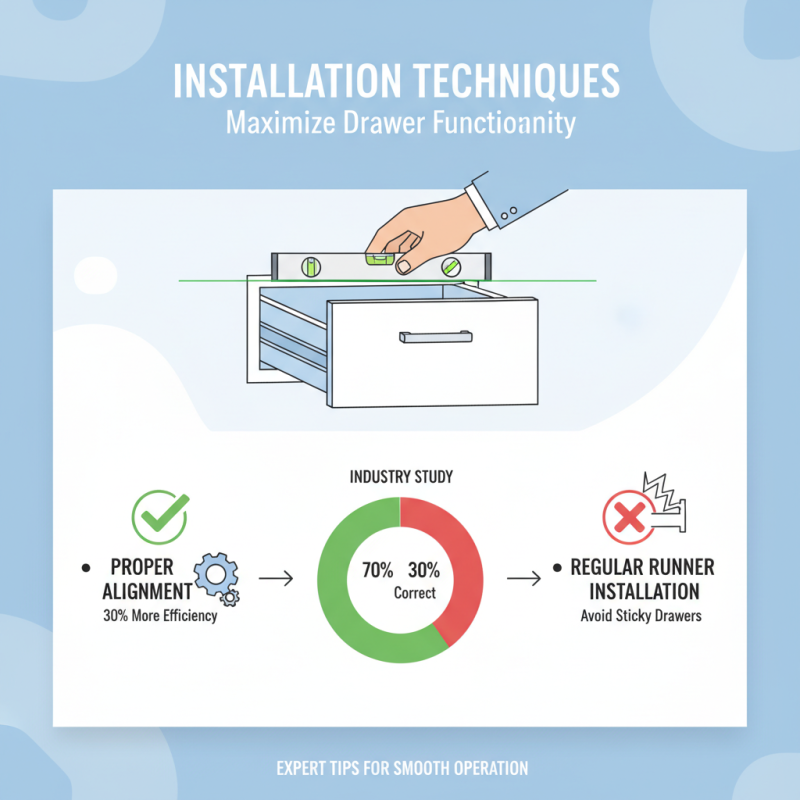
When enhancing drawer functionality, installation techniques play a crucial role. Proper alignment is essential for smooth operation. According to a recent industry study, well-aligned drawers function 30% more efficiently. The focus should be on how regularly the runners are installed. Many individuals overlook this step, leading to frustrating sticky drawers.
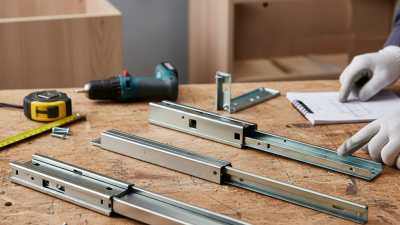
Utilizing the right tools is another area where mistakes occur. A basic level, a tape measure, and a drill are fundamental. However, many fail to measure accurately. This small oversight can lead to misaligned screws, affecting the drawer’s stability. A report revealed that nearly 25% of DIY installations suffer from poor alignment due to inadequate measurements.
Adjusting the tension of the runners can also maximize functionality. Many people think having runners too tight is better, but this is a common misconception. Tight runners can cause wear and tear over time. Balance is key. Regularly check the runner's tension to maintain optimal performance. Simple adjustments can extend the lifespan of your drawers significantly.