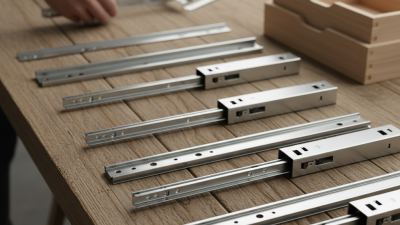
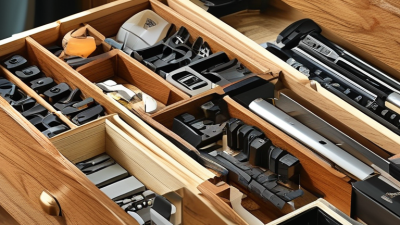
A drawer that closes quietly and evenly can make a kitchen or workshop feel more considered. Drawer Glides Soft Close are designed to slow a drawer near the end of its travel, reducing the sharp bang of a hard close. But the glide itself is only part of the result. Drawer width, cabinet condition, load, and installation accuracy all affect how smoothly it works.
Measure the cabinet opening and existing drawer before comparing products. Check the glide’s stated length, mounting style, and weight rating against your actual setup. Small details matter. Measure twice. A cabinet that is slightly out of square can make even a quality slide feel stiff, so inspect the opening rather than assuming it is perfect.
The seven tips ahead focus on practical choices: matching glide dimensions, understanding side-mount and undermount options, checking load capacity, and allowing for the space each model requires. They also cover installation and adjustment, where a small alignment error can cause rubbing or uneven closing. Manufacturer instructions are the most reliable guide for a specific product; general advice cannot replace them. I have seen buyers focus on the soft-close feature and overlook basic measurements. It is an easy mistake, and one worth avoiding. With careful checks, you can choose slides that suit the cabinet, the drawer’s contents, and the way you use the space every day.
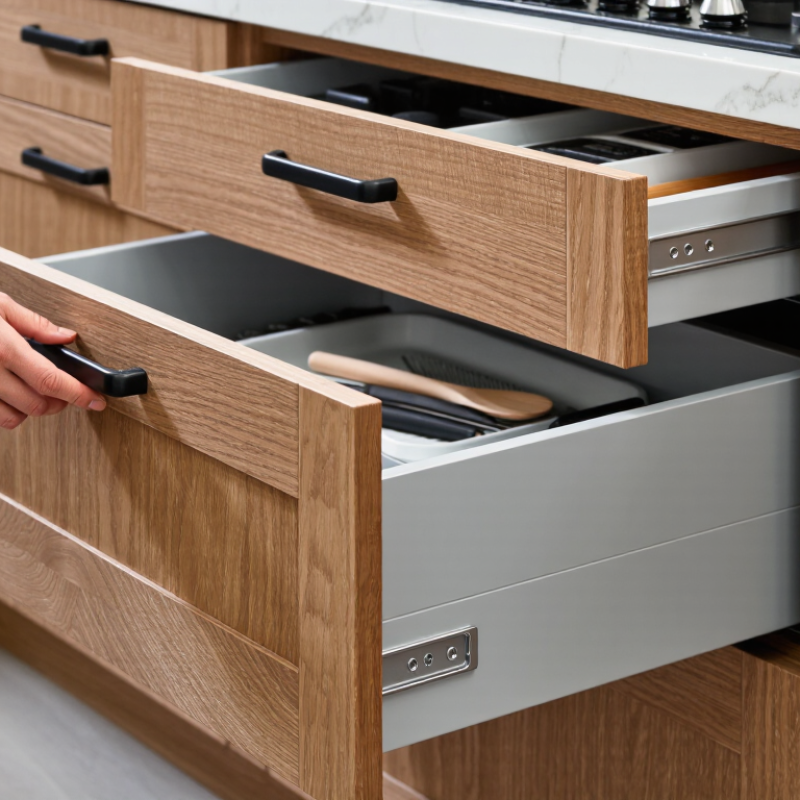
Measure the cabinet opening, not the drawer front. Record the opening width at the front, middle, and back; older cabinets can be slightly out of square. Measure the drawer box width at both ends, then compare the narrowest opening with the glide maker’s required side clearance. For example, a slide needing 1/2 inch per side requires the drawer box to be 1 inch narrower than the opening. That is only an example; under-mount and side-mount glides may have different requirements. Check the installation specification before buying.
Check depth from the cabinet face frame to the back wall or any obstruction, such as a screw or plumbing pipe. Then compare it with the drawer box length and the glide’s specified length. Measure height too, especially when nearby drawers or a cabinet rail could block movement. Small differences matter. I still remeasure after removing old hardware; the first reading is easy to misjudge.
Wood can shift with moisture. The USDA Forest Products Laboratory’s Wood Handbook: Wood as an Engineering Material (FPL-GTR-282, 2021) places average fiber saturation near 30% moisture content; below that point, wood dimensions can change as moisture changes. So don’t rely on one tight measurement. Leave only the clearance specified for the glide, and note any uneven gaps that may signal a twisted drawer or cabinet. KCMA A161.1 is an industry performance standard for cabinets, but it does not replace the glide’s fit requirements.
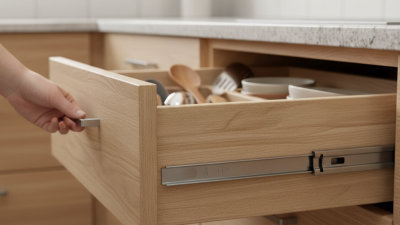
Soft-close drawer glides work best when their type suits the drawer and cabinet. Side-mount glides attach to the drawer’s outer sides, so they are easy to inspect and replace. They need clearance on both sides, which can reduce usable drawer width. Undermount glides sit beneath the drawer, leaving the sides clear and creating a clean look. They usually require a drawer built to specific dimensions. Center-mount glides support the drawer from below, but may not suit wide or heavily loaded drawers. Check the glide’s load rating and required clearances before buying. Measure twice.
Mounting style matters, too. Face-frame cabinets have a front frame around the opening; frameless cabinets do not. Some glide systems need brackets or clips to fit one cabinet style, so confirm the installation requirements. Measure the opening, drawer width, and drawer depth, then compare those figures with the glide instructions. A common fitting mistake is allowing too little side clearance. The drawer may rub before the soft-close mechanism engages. If you are replacing old glides, note where they attach and whether the drawer can be modified safely. A careful dry fit can reveal alignment problems early. It is tempting to choose the sleekest option, but a simple side-mount glide may be the more practical match for an older cabinet.
| Tip | What to Check | Practical Guidance | Why It Matters |
|---|---|---|---|
| 1 | Choose a glide type that suits the drawer and furniture | Side-mount glides attach to the drawer sides and cabinet sides. Undermount glides sit beneath the drawer and are often selected when a concealed appearance is desired. Center-mount options use a single glide beneath the drawer; confirm that a soft-close model is available for the specific application. | Mounting style affects appearance, installation, available space, and compatibility with the drawer construction. |
| 2 | Confirm the mounting style and cabinet clearance | Measure the opening and check the glide manufacturer’s required side clearance or under-drawer clearance. Side-mount models commonly require a gap on each side, while undermount models have their own clearance and notch requirements. Use the product’s installation dimensions rather than assumptions. | Insufficient clearance can cause binding; excessive or uneven clearance can prevent smooth movement. |
| 3 | Measure the drawer and select the correct glide length | Measure the usable cabinet depth and the drawer-box length. Select a glide length that fits both, following the product’s measuring instructions. Do not assume that the nominal glide length will fit every cabinet or drawer. | A glide that is too long may not fit the cabinet, while one that is too short may reduce drawer support or extension. |
| 4 | Match the extension to how the drawer will be used | Partial-extension glides leave part of the drawer inside the cabinet when open. Full-extension glides allow access to nearly the full drawer depth. Check the product specification because extension and soft-close features are separate characteristics. | The right extension improves access without selecting a feature the furniture does not need. |
| 5 | Check the load rating and intended duty | Estimate the combined weight of the drawer and its contents, then compare it with the glide’s stated load rating. Confirm whether the rating applies to a pair and whether it assumes a particular installation or test method. | Load limits vary by design and model; staying within the specified rating helps the glides operate reliably. |
| 6 | Verify drawer-box and front compatibility | Check the required drawer width, side thickness, bottom position, rear notches, and any locking devices or clips. For inset or overlay fronts, confirm that the drawer closes flush and that the soft-close action engages correctly. | Different glide systems require different drawer details, and the drawer front must not obstruct closing. |
| 7 | Consider installation, adjustment, and replacement | Review the instructions for mounting points, alignment, adjustment, and removal. If replacing existing glides, compare their type, length, mounting position, and clearances before buying; existing screw holes may not align with a different system. | Accurate alignment is important for smooth travel and reliable soft closing, and compatibility can simplify repairs. |
A soft-close glide must carry the drawer and everything inside it. Weigh a typical full load, including the drawer box, rather than estimating from a quick glance. For example, 12 kg of cookware plus a 4 kg drawer creates a 16 kg moving load. That number is only a starting point; check whether the published capacity applies per pair and under normal installation conditions. Small details matter.
ANSI/BHMA A156.9 and EN 15338 set performance-test methods for cabinet hardware and furniture fittings, including strength and durability testing. Their test results provide a useful professional reference, but they do not make every glide interchangeable. Match the product’s stated load rating to your measured load, and leave a sensible margin for heavy or uneven contents. A drawer packed with cast-iron pans can concentrate weight near the front. That strains the slides more than evenly placed items. Not ideal.
Also check the rating for the drawer’s width and extension type; capacity can vary with configuration. If the drawer will hold dense tools or dishes, choose a higher-rated glide and verify the installation instructions. I would reweigh the contents after fitting. People often underestimate stored weight.
Extension length determines what you can reach, not just how far a drawer moves. Full-extension glides expose nearly the entire drawer, making jars at the back easier to retrieve. Three-quarter-extension models leave part of the drawer inside the cabinet. Measure the drawer box and cabinet depth before buying; a long glide may not fit a shallow cabinet. Check the manufacturer’s stated travel and load rating, too.
Soft-close performance varies. Some glides slow the drawer only near the end; others engage earlier and feel more controlled. Compare closing action with a realistically loaded drawer, not an empty one. Listen for a hard stop, then check whether the drawer sits flush. A quiet close matters. So does reliable alignment. The NKBA’s 2024 Kitchen Trends Report found soft-close drawers were a preferred feature among 83% of surveyed design professionals. That reflects demand, not a guarantee of smooth operation.
I’d still test the fit twice. Catalog descriptions can make extension sound simpler than it is. Look for clear installation tolerances and adjustment guidance, especially if the cabinet opening is uneven. A glide that closes softly but blocks access to the back may disappoint. A full-extension option can help, but only when the cabinet depth and drawer dimensions allow it.
Common nominal slide lengths are shown in 2-inch increments. These are examples, not a complete range; availability varies by slide type and market. Measure the drawer and cabinet depth before choosing a glide. Then compare extension type and test the soft-close action for smooth, consistent closing without slamming.
Choose soft-close drawer glides by checking material, load rating, installation space, and adjustment range.
Tip 1: Match the glide material to the drawer’s environment; coated steel suits most kitchens, while damp areas need corrosion-resistant components.
Tip 2: Check the manufacturer’s load rating against the drawer’s contents, including heavy cookware.
Tip 3: Measure drawer depth and side clearance before ordering. A few millimeters matter.
Tip 4: Decide whether side-mount or undermount glides fit the cabinet and your installation skills. Undermount systems can look clean, but often require precise notching and clearance.
Tip 5: Read the adjustment instructions. Vertical, horizontal, and tilt adjustments can help align a drawer front after installation. Small corrections count.
The 2024 Houzz U.S. Kitchen Trends Study reports that 76% of renovating homeowners replaced all kitchen cabinets. That figure concerns cabinets, not glides, but it highlights why hardware compatibility deserves attention during a larger remodel.
Tip 6: Test the soft-close action with a loaded drawer, not an empty one; heavy contents can change how it moves.
Tip 7: Check whether the glide can be removed and adjusted without dismantling the cabinet.
In practice, even careful measurements can miss an uneven cabinet side. I have found that dry-fitting both glides before fastening them fully can reveal binding early. It takes extra time. Worth it.