What is Metal Drawer Slides and How Do They Work?
Metal drawer slides are essential components in modern cabinetry and furniture. These slides offer a smooth Motion for drawers, enhancing usability. They are made from durable materials, ensuring longevity. Many people choose metal drawer slides for their robustness and reliability.
Understanding how metal drawer slides work can be intricate. They consist of various parts, including rails and glides. These components work together to support the drawer's weight and allow easy opening and closing. Observing the mechanics of these slides can reveal their simplicity, yet their effectiveness cannot be underestimated.
Despite their many advantages, metal drawer slides may have flaws. Installation can be tricky for some DIY enthusiasts. Misalignment during installation can lead to poor performance. It's important to take time and care when handling these components. A little awareness goes a long way in achieving a functional drawer system.
What are Metal Drawer Slides?
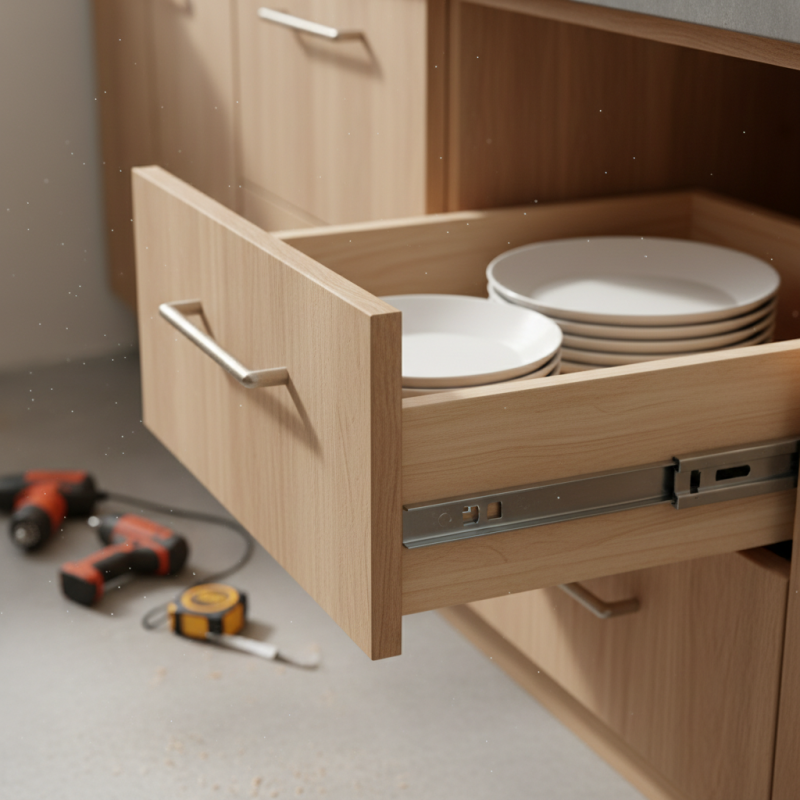
Metal drawer slides are essential components in many furniture designs. They provide a smooth and reliable way to open and close drawers. Typically made from steel, these slides are known for their durability and strength. They can easily support heavy loads, making them suitable for office or kitchen cabinets.
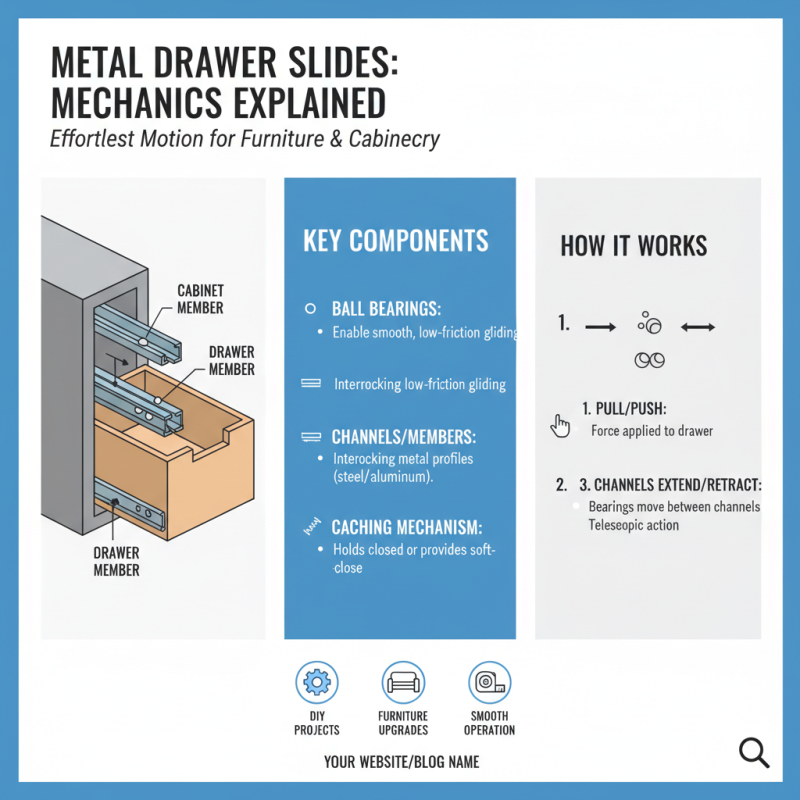
The basic mechanism consists of two parts: a rail attached to the drawer and a matching rail secured to the cabinet. This enables the drawer to glide in and out smoothly. Some metal slides operate on a ball-bearing system, enhancing movement and reducing friction. However, they can be noisy when not adequately installed or maintained. Installing metal slides requires precision; misalignment can lead to sticking or uneven openings.
While metal drawer slides are popular, they are not without faults. Often, the installation instructions can be confusing. This can lead to frustration during assembly. Wear and tear is also common over time, especially in busy environments. Despite their sturdy nature, frequent use can lead to issues that require attention. It's essential to inspect and maintain these slides regularly for optimal performance.
Metal Drawer Slides Usage Comparison
Types of Metal Drawer Slides and Their Uses
Metal drawer slides are essential components that enhance the functionality of drawers. They come in various types, each designed for specific needs and applications. Ball-bearing slides are among the most popular. They allow smooth, easy movement. Their design helps support heavy loads, making them ideal for kitchen cabinets or storage units.
Another type is the roller slides, which use wheels for sliding action. They are less expensive and provide basic functionality. However, they may not handle heavy weight well. For lighter, less demanding applications, they are sufficient and common. Lastly, there are soft-close slides, which prevent drawers from slamming shut. They add a touch of elegance but can sometimes be tricky to install correctly.
Each type suits different scenarios. Pause and consider which option fits your needs best. Choosing a slide that doesn’t match drawer weight can lead to frustration. Miscalculating size or weight capacity often results in a poor fit. Understanding these nuances can help avoid mistakes, ensuring optimal performance.
What is Metal Drawer Slides and How Do They Work? - Types of Metal Drawer Slides and Their Uses
| Type of Metal Drawer Slide |
Material |
Load Capacity |
Common Uses |
| Side-Mounted Slides |
Steel |
75 to 100 lbs |
Standard cabinets, office furniture |
| Bottom-Mounted Slides |
Aluminum |
50 to 75 lbs |
Lightweight drawers, small cabinets |
| Full Extension Slides |
Stainless Steel |
100 to 200 lbs |
Heavy-duty storage, tool cabinets |
| Ball-Bearing Slides |
High carbon steel |
75 to 100 lbs |
Furniture, kitchen cabinets |
| Soft-Close Slides |
Steel |
100 to 150 lbs |
Modern furniture, high-end cabinets |
How Metal Drawer Slides Operate Mechanically
Metal drawer slides are crucial components in furniture and cabinetry. They provide a gliding mechanism that ensures drawers open and close smoothly. Understanding how they operate mechanically can enhance your DIY projects or furniture choices.
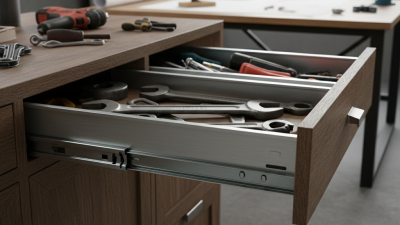
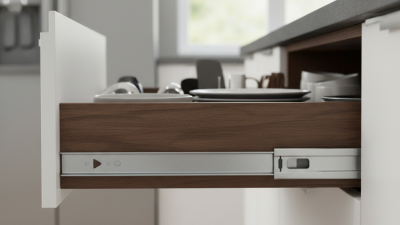
Metal drawer slides consist of two main tracks: the stationary track and the movable track. The stationary track is secured to the cabinet, while the movable track attaches to the drawer. As the drawer is pulled, rollers mounted on the movable track glide along the stationary track. This design allows for easy motion and stability. Over time, these components may wear out, preventing smooth operation. Regular inspection and maintenance can help avoid this issue.
The mechanism is simple but effective. However, it can sometimes lead to frustration if misaligned. Small adjustments may be necessary to ensure optimal function. If a drawer sticks, it could be due to debris or improper installation. Take a moment to assess the situation before deciding on a solution. These little details can greatly influence the overall experience with your furniture.
Installation Process for Metal Drawer Slides
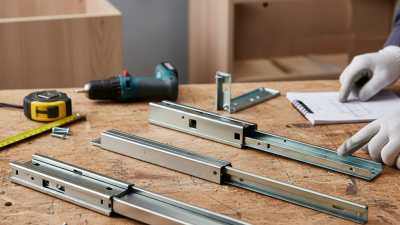
Installing metal drawer slides can be straightforward with the right steps and tools. Begin by measuring the interior of your drawer and the cabinet. Accurate measurements ensure a proper fit and functionality. Gather necessary tools such as a screwdriver, drill, and level. You may find it helpful to have a friend assist you during this process.
Start by marking where the slides will be attached. Align the slides with the edge of the drawer, ensuring they are level. A common mistake is misaligning the slides, which can cause issues later. Secure the slides with screws, but be cautious not to overtighten. This can bend the metal and affect the drawer’s movement.
After attaching the slides to the drawer, install the other part in the cabinet. Place the drawer onto the slides gently. Test it to see if it opens and closes smoothly. Sometimes, adjustments are necessary. If the drawer doesn’t glide effortlessly, consider checking the alignment again. Remember, the goal is to have a functional and reliable drawer; minor imperfections can lead to frustration. Always be willing to make adjustments as needed.
Benefits of Using Metal Drawer Slides in Furniture
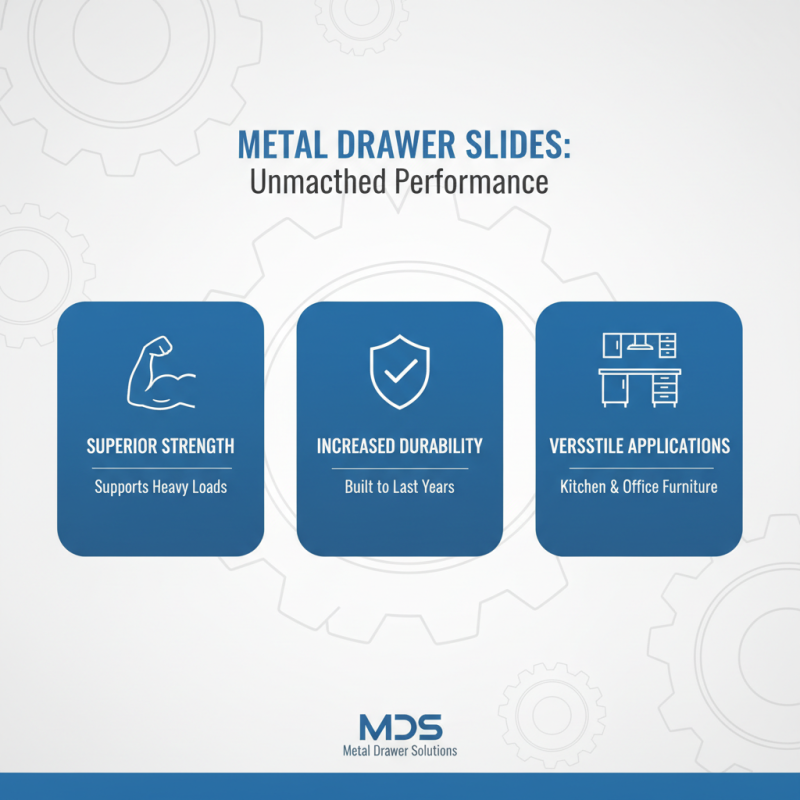
Metal drawer slides offer several advantages for furniture applications. They are known for their durability and strength. One major benefit is their ability to handle heavy loads. Metal slides can support larger, heavier drawers without bending. This makes them ideal for kitchen cabinets or office furniture. With proper installation, they can last for years.
Another benefit is smooth, quiet operation. Unlike plastic slides, metal ones glide easily. This reduces noise when opening or closing drawers. It creates a more pleasant experience in everyday use. Metal drawer slides are also less likely to warp. This stability is crucial in changing climates.
Tips for installation: Ensure you measure accurately before starting. Misalignment can cause wear or damage. Use high-quality screws to secure the slides. This is essential for stability. Regularly lubricate the slides to maintain smooth operation. It's a simple step that extends the life of the drawer system. Remember, not all slides are created equal. Choose the right type based on your specific needs.