留言
Choosing Soft Close Drawer Slides is less about the label than fit, load, and daily use. Start by measuring the drawer length and checking the cabinet’s available clearance. A slide that is even slightly too long may prevent the drawer from closing properly. Note whether the cabinet uses face-frame or frameless construction, since mounting options can differ. Check the drawer’s width, too. Side-mounted slides need consistent clearance on both sides, while undermount models require specific drawer dimensions. Small details matter.
Capacity deserves equal attention. Add the drawer’s contents to its own weight, then compare that total with the slide’s rated load. A drawer holding cookware needs sturdier hardware than one used for linens. Think about how often it will open, and whether full extension would make stored items easier to reach. Soft-close mechanisms vary; some feel smooth and controlled, while others may seem slow or stiff with a heavily loaded drawer. Not always obvious. Product specifications are useful, but they cannot correct a poor fit or uneven installation.
This guide explains the main slide types, measurements, load ratings, and features to compare before buying. It also covers common installation checks, such as keeping both slides level and confirming that the drawer front sits evenly. Even careful measurements can miss a worn cabinet or a slightly warped drawer. That is worth checking before ordering. The best choice balances a quiet close, reliable support, and practical access—not the longest feature list.
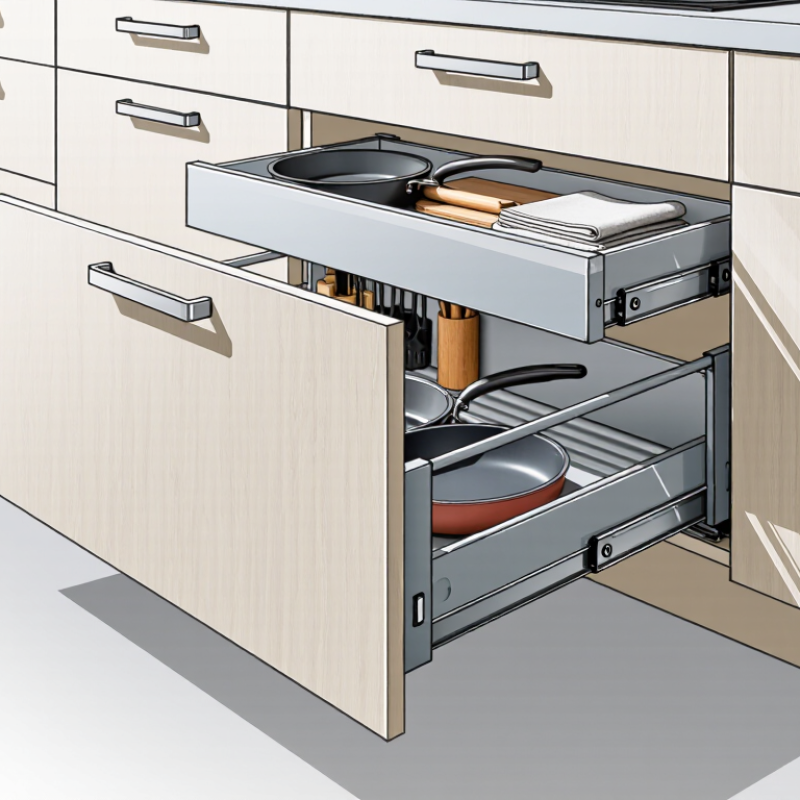
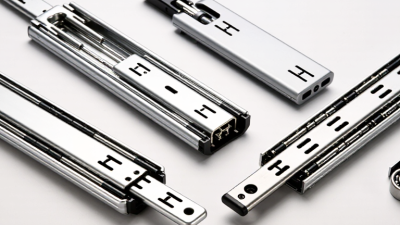
Soft-close drawer slides use a small damper to control the final part of a drawer’s movement. As the drawer nears the cabinet, a catch engages the mechanism. The damper then slows the drawer, reducing the impact between the drawer front and cabinet frame. The result should be a controlled, quiet close, not a drawer that stops abruptly halfway.
The mechanism may be built into the slide or attached as a separate unit. In either case, the slides need to be installed level and parallel. Even a slight misalignment can make a drawer rub, close unevenly, or resist the soft-close action. Check the drawer’s width, depth, and expected contents against the slide’s specifications; heavy cookware needs slides rated for its load. A gentle push should be enough.
Not magic.
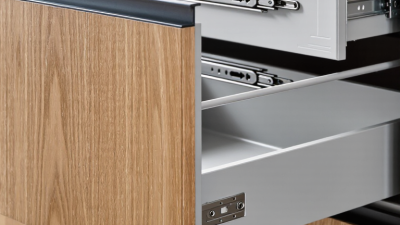
When choosing slides, consider how the drawer will be used and how much space the cabinet provides. Side-mounted slides are visible when the drawer is open, while concealed slides sit beneath it and require compatible drawer construction. Soft-close hardware can feel inconsistent if the drawer is overloaded or the cabinet opening is out of square. I’ve found that a careful measurement saves more frustration than trying to adjust a poorly fitted slide later. Still, real cabinets are rarely perfect, so allow time for small alignment corrections.
| Selection Factor | Typical Details | What It Means | How to Choose |
|---|---|---|---|
| Soft-close action | A damper slows the drawer as it nears the closed position; a catch or mechanism then helps pull it shut. | The drawer closes more quietly and is less likely to slam. The mechanism usually operates over the final portion of travel. | Check that the slide set is designed for soft-close operation and that the drawer can be pushed gently into the closing mechanism. |
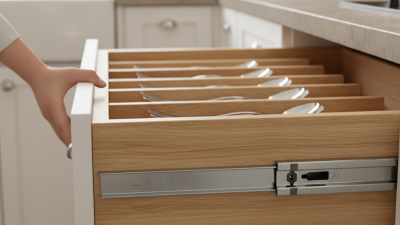
| Mounting style | Common options include side-mount and undermount slides. | Side-mount slides attach to the drawer sides and cabinet interior. Undermount slides sit beneath the drawer and are generally less visible when open. | Choose a style compatible with the cabinet construction, drawer design, available space, and desired appearance. |
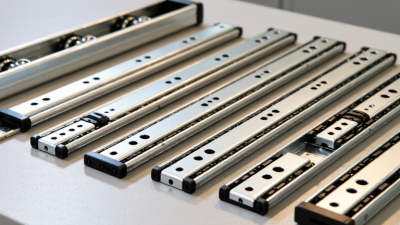
| Slide length | Residential slides are commonly available in lengths from about 10 to 24 inches, often in 2-inch increments. | The slide length should suit the usable cabinet depth and the drawer box. | Measure the cabinet interior from the front mounting area to the obstruction at the back. Follow the slide maker's required sizing method; do not assume the nominal drawer length is always the correct slide length. |
| Side clearance | Many side-mount ball-bearing slides require about 1/2 inch of clearance on each side, or about 1 inch total. | The drawer must be narrow enough to fit between the installed slides without binding. | Verify the specific slide's clearance requirement and measure the drawer box width before ordering. Undermount slides use different drawer-width and notch requirements. |
| Load capacity | Light-duty products may be rated around 75–100 lb; heavier-duty options can have higher ratings. Ratings vary by model and test conditions. | Capacity refers to the load the slide set is designed to support when correctly installed. | Estimate the combined weight of the drawer and its contents, then select a slide with an appropriate rated capacity. Check whether the rating applies per pair and whether it assumes a particular drawer width or extension. |
| Extension type | Common configurations include 3/4 extension and full extension. | With 3/4 extension, part of the drawer remains inside the cabinet. Full extension allows most or all of the drawer to move beyond the cabinet opening. | Choose full extension when access to the back of the drawer is important; consider 3/4 extension where cost or cabinet layout makes it suitable. |
| Drawer and cabinet fit | Mounting holes, drawer width, cabinet depth, face-frame construction, and rear clearance differ by slide design. | Even the correct nominal length may not fit if mounting space or clearances are incompatible. | Measure the opening and drawer carefully, and review the installation dimensions and drilling instructions before purchase. |
| Installation alignment | Slides need to be level, parallel, and mounted at matching heights. | Misalignment can cause binding, uneven movement, or unreliable soft-close engagement. | Use a level and consistent measurements on both sides. Test the drawer through its full travel before loading it. |
| Maintenance and adjustment | Some designs include adjustment features; others have limited adjustment once installed. | Small position differences can affect how smoothly the drawer moves and closes. | Keep slide tracks free of debris and follow the product's installation and care instructions. Avoid forcing a drawer that does not engage smoothly. |