Ultimate Guide to Choosing the Best Cabinet Runners and Drawer Runners
In the world of cabinetry, choosing the right hardware is essential for both functionality and aesthetics. Cabinet runners and drawer runners play a critical role in the smooth operation of cabinets and drawers, making the selection process all the more important. According to industry expert Michael Johnson, a leading authority on cabinet hardware, "The right Cabinet Runners Drawer Runner can transform how your cabinetry performs, making everyday tasks effortless." His insights highlight the significance of understanding the various options available in the market today.
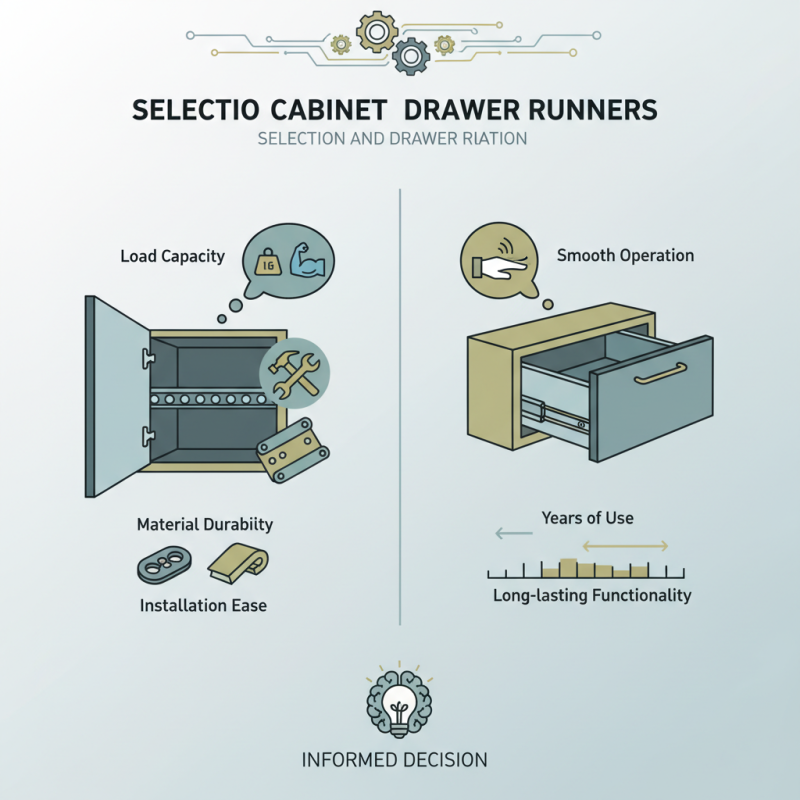
When selecting cabinet runners and drawer runners, homeowners and designers alike must consider several factors, including load capacity, material durability, and installation ease. With so many choices ranging from traditional metal slides to advanced soft-close mechanisms, making an informed decision can greatly enhance the usability of your cabinetry. Whether you are embarking on a DIY project or working with a professional, knowing how to navigate these options ensures that your cabinets not only look great but function seamlessly for years to come.
Ultimate Guide to Choosing the Best Cabinet Runners and Drawer Runners
When choosing the best cabinet runners and drawer runners, several factors must be considered to ensure optimal functionality and durability. First and foremost, the type of material used in runners plays a significant role in their performance.
Metal runners are known for their strength and longevity, making them ideal for heavy drawers. On the other hand, plastic options can offer smoother glides and are often more cost-effective. Evaluating the weight capacity of runners is essential, as this will determine how much load they can handle without compromising their integrity or causing jams.
In addition to material and weight capacity, it's important to assess the runner's mechanism. Ball-bearing runners, for example, provide a smoother operation and are less likely to wear out over time.
Soft-close features are another appealing aspect, adding an element of luxury and reducing wear on cabinetry by preventing slamming. Installation ease can also impact your decision; simpler systems that require minimal tools can save both time and effort during setup. By keeping these key factors in mind, you can select cabinet and drawer runners that not only meet your needs but also enhance the overall functionality of your space.
Understanding Different Types of Cabinet and Drawer Runners Available
When selecting the right cabinet and drawer runners, it’s essential to understand the various types available in the market. The most common types are
side-mounted,
bottom-mounted, and
concealed runners.
Side-mounted runners, often utilized in lighter drawers, attach to the sides of the drawer, providing stability and ease of installation.
Bottom-mounted runners, on the other hand, are fixed underneath the drawer, allowing for a more streamlined appearance while supporting heavier loads. These runners usually come with ball bearings, enhancing smooth operation and durability.
Concealed runners are ideal for achieving a minimalistic look, as they are hidden from view when the drawer is closed. These offer a seamless design while allowing for full extension of the drawer, making access to items easier.
Each type has its specific advantages and disadvantages, which should be considered based on the
weight capacity,
aesthetic preferences, and the
functional needs of the cabinetry.
By understanding these options, homeowners can make informed decisions that enhance both the functionality and design of their spaces.
Evaluating Load Capacity and Durability of Runners in Furniture Projects
When it comes to furniture projects, selecting the right cabinet runners and drawer runners is crucial for ensuring both functionality and longevity. One key factor to consider is the load capacity of the runners. Different projects will require different weight tolerances depending on what you plan to store in your cabinets or drawers. For heavier items, opt for heavy-duty runners that can support greater weights, while lighter loads may only need standard options. Always refer to the manufacturer's specifications for load ratings to ensure that your chosen runners will meet your needs.
Durability is another critical element in the evaluation process. Runners made from high-quality materials, like steel or reinforced plastics, generally offer better longevity and resistance to wear and tear over time. It's also important to assess the mechanisms involved—ball-bearing slides, for example, typically provide smoother operation and enhanced durability compared to traditional slides.
Tips: Always test the runners before finalizing your choice. For a simple test, try installing a runner and simulate loading it with the weight you intend to use. Additionally, consider environmental factors; if your furniture will be in a humid area, a rust-resistant finish can greatly extend the life of your runners. Lastly, remember to check the warranty or guarantee offered on the runners, as this can be an indicator of the manufacturer’s confidence in their durability.
How Roller, Ball Bearing, and Soft-Close Mechanisms Affect Performance
When selecting cabinet and drawer runners, the mechanism type plays a crucial role in determining overall performance. Roller mechanisms are often preferred for their simplicity and cost-effectiveness. They consist of a series of rollers that facilitate smooth movement. Although they provide adequate functionality, roller mechanisms can sometimes experience wear over time, potentially leading to noise and a less satisfying user experience. They are ideal for lightweight applications where budget constraints are a priority.
In contrast, ball bearing runners offer enhanced durability and performance due to their design, which incorporates small steel balls that minimize friction. This results in a smoother and quieter operation, making them suitable for heavier loads and frequent use. With an ability to support more weight, ball bearing runners are a favored choice in high-traffic areas of the home, such as kitchens and offices. However, their installation can be more complex compared to standard roller systems, requiring careful attention to alignment.
Soft-close mechanisms are becoming increasingly popular, adding an extra layer of convenience and safety. These systems use hydraulic or air pressure to slow the drawer’s closure, preventing slamming and minimizing noise. The incorporation of soft-close technology enhances user experience significantly, making drawers feel luxurious and refined. Additionally, it protects both the contents and the cabinet structure from damage over time, making them a wise investment for any modern cabinetry.
Comparison of Cabinet Runner Types: Performance Metrics
Key Factors Affecting Installation and Maintenance of Drawer Runners
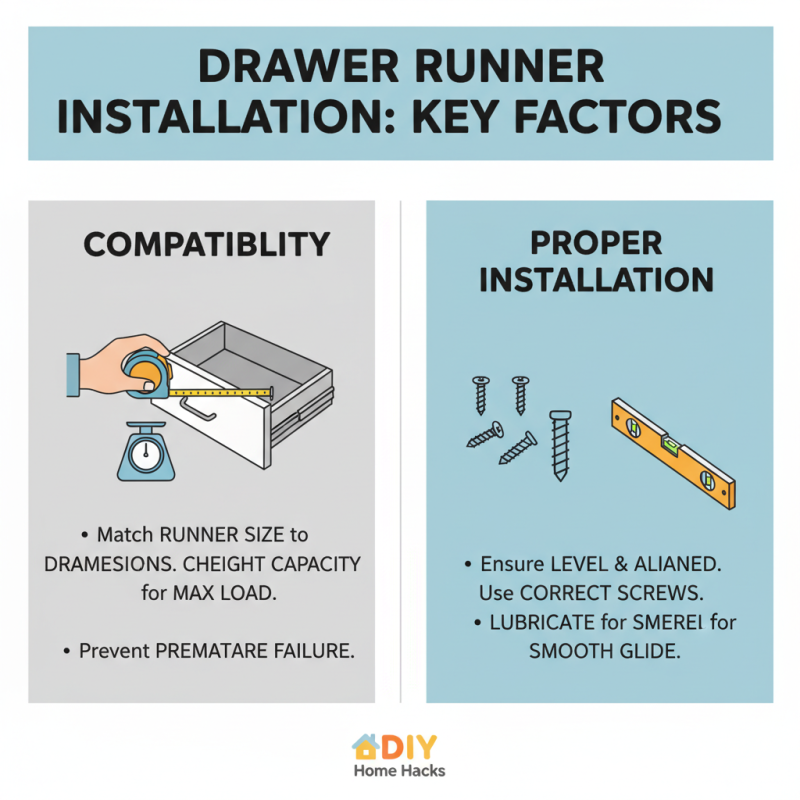
When installing drawer runners, there are several key factors to consider that can significantly affect both functionality and longevity. Firstly, it’s crucial to ensure that the runners are compatible with your drawer size and weight capacity. Overloading drawers can lead to wear and tear on the runners, causing them to fail prematurely. It's advisable to check the specifications and choose runners rated for the maximum weight you anticipate placing in the drawers.
**Tip**: When selecting drawer runners, opt for a style that fits your drawer design and usage—full extension runners allow for easy access but may require more precise installation than partial extension ones.
Another important aspect to consider is the maintenance of the runners. Regular cleaning of both the rails and the rollers helps prevent dust and grime build-up, which can cause sticking or jamming. Lubrication of the moving parts periodically will also extend the life of the runners and ensure smooth operation.
**Tip**: Use a silicone-based lubricant rather than oil-based to avoid attracting dirt, which can exacerbate wear on the runners over time.