留言
Choosing Soft Close Drawer Slides is not merely a hardware decision. It affects drawer movement, cabinet durability, storage access, and everyday comfort. A well-selected slide should close quietly, resist sagging, and support the drawer’s real load. That includes cookware, tools, files, or heavy bathroom products.
This guide explains the practical details behind a reliable choice. We will examine load capacity, extension length, mounting style, clearance, drawer material, and installation accuracy. These factors often appear simple. They are not always simple. A slide rated for 100 pounds may perform poorly if the drawer is uneven or overloaded. Small measurement errors can also create rubbing, gaps, or incomplete closing.
Measure carefully.
Experience shows that users often focus on the soft-close feature first. However, the damping mechanism cannot compensate for weak construction or incorrect sizing. Trusted manufacturers usually provide clear specifications, testing information, and installation instructions. Still, product descriptions can be incomplete, so comparing dimensions and verified performance is essential.
You should also consider how frequently the drawer will open, who will use it, and how much space surrounds the cabinet. A kitchen drawer used dozens of times daily needs stronger guidance than a lightly used bedroom drawer. Full-extension models improve visibility, while concealed slides may offer a cleaner appearance. Neither option is automatically better.
The right choice balances performance, fit, budget, and long-term reliability. Some compromises may remain. A premium slide may exceed the needs of a small drawer, while a cheaper model may require more maintenance. Careful evaluation helps you avoid those regrets before installation begins.
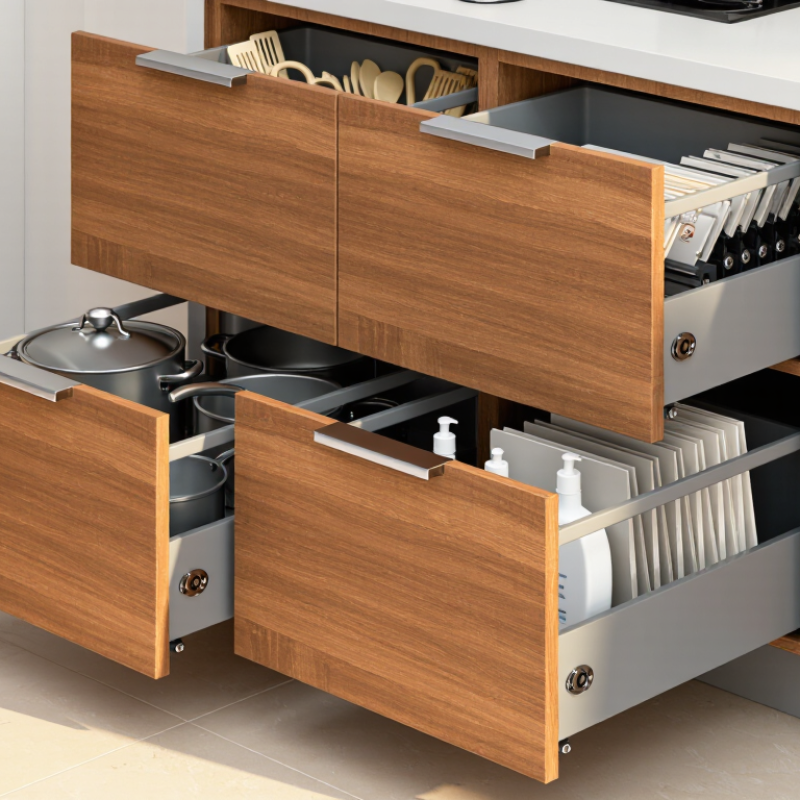
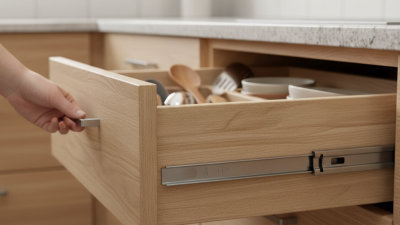
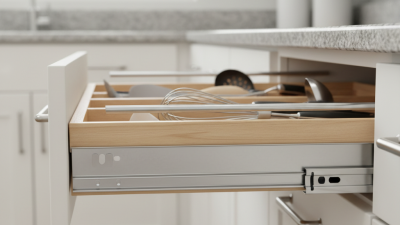
Soft close drawer slides combine guided movement with a built-in damping system. As the drawer nears closure, usually within the final few inches, a damper absorbs kinetic energy. A spring then pulls the drawer gently into its closed position. This reduces slamming, vibration, and impact noise.
The mechanism is small but demanding. A 2024 U.S. Houzz Kitchen Trends Study reported that 76% of renovating homeowners upgraded their cabinets. More upgraded cabinets mean more attention to daily hardware performance. In practice, a slide should match the drawer’s weight, width, and frequency of use. Check its rated load, extension length, mounting style, and required side clearance. A crowded cabinet can make a good slide feel poor.
Look for tested cycle performance, not only a smooth showroom sample. ISO 7170 evaluates storage-unit strength and durability, while manufacturers commonly publish cycle-test results for drawer hardware. These figures help, but they are not the whole story. Installation accuracy matters. A drawer fitted only two millimeters off-center may drag or close unevenly. The fit is not always perfect. For heavy cookware, choose stronger slides with stable synchronization. For shallow bedroom drawers, lighter hardware may provide quieter movement and easier installation. A soft close feature cannot correct a warped drawer box or weak cabinet material. Test the final drawer by hand, with its real contents inside.
| Selection Dimension | What It Means | How Soft Close Works | Typical Data or Range | Recommended Choice |
|---|---|---|---|---|
| Soft-close mechanism | The damping system that controls the final closing movement. | A hydraulic or viscous damper absorbs energy near the end of travel and pulls the drawer gently into the closed position. | Usually engages during the final 40–60 mm of closing travel, depending on the design. | Choose an integrated damper for a cleaner installation and more consistent operation. |
| Mounting position | Where the slide is attached to the drawer and cabinet. | The mounting position determines visibility, required clearance, installation difficulty, and available drawer space. | Side-mount slides generally require about 12.7 mm clearance on each side. Under-mount clearances vary by product. | Use side-mount for straightforward replacement; use under-mount when concealed hardware and a cleaner appearance are priorities. |
| Drawer slide length | The nominal length of the slide installed from the cabinet front toward the back. | Correct length allows the slide to reach its designed closed and extended positions without interference. | Common lengths are approximately 250–600 mm, usually in 50 mm increments. | Measure the usable cabinet depth and select a slide that does not exceed the available space. |
| Extension type | How far the drawer can move out of the cabinet. | The slide's rail structure controls whether the drawer opens partially, fully, or beyond the cabinet front. | Three-quarter extension is common on basic slides; full extension provides access to nearly the entire drawer. | Select full extension for kitchen, office, and storage drawers where rear contents must be accessible. |
| Load capacity | The maximum drawer load supported when the drawer is properly installed. | Bearings or rollers carry the load while the damper controls the closing action; the soft-close unit does not replace structural support. | Many residential slides are rated around 30–45 kg per pair; heavy-duty models may support more. | Choose a capacity above the combined weight of the drawer and its contents, with a practical safety margin. |
| Drawer width | The distance across the drawer from one side to the other. | Wide drawers create greater leverage on the slides, especially when heavily loaded and fully extended. | Wider drawers generally require stronger slides, accurate alignment, and sometimes additional central support. | For wide or heavy drawers, use a higher-rated system and follow the installation instructions for spacing and support. |
| Material and finish | The metal composition and surface treatment affect strength, corrosion resistance, and appearance. | Smoothly formed steel rails guide movement, while coatings help protect the slide from wear and moisture. | Cold-rolled steel is common; zinc-plated or painted finishes are widely used for corrosion protection. | For humid areas, select a corrosion-resistant finish and avoid exposing standard slides to prolonged moisture. |
| Adjustment options | The ability to correct the drawer's vertical, horizontal, or front-to-back alignment. | Adjustable brackets or mounting points help keep the drawer square and allow the soft-close mechanism to engage correctly. | Under-mount systems often provide more positional adjustment than basic side-mount designs, but specifications vary. | Choose adjustable hardware when cabinet openings are uneven or precise front alignment is important. |
| Opening and closing feel | The amount of force needed to open the drawer and the smoothness of its movement. | The slide's bearings, spring assistance, and damper work together to control movement and reduce impact noise. | Soft close reduces slamming but does not make a misaligned or overloaded drawer operate smoothly. | Test the slide with the intended drawer weight whenever possible, especially for wide drawers. |
| Installation requirements | The measurements, fasteners, tools, and mounting accuracy needed for installation. | The damper requires the rails to remain parallel and level so that the closing force is distributed evenly. | Typical requirements include accurate clearances, level mounting surfaces, and secure screws suitable for the cabinet material. | Check the installation drawing before drilling and use a mounting jig for repeated installations. |
| Expected service life | The number of opening and closing cycles the slide is designed to withstand. | Durability depends on rail construction, damper quality, load, alignment, and frequency of use. | Residential products are commonly tested from tens of thousands of cycles; always verify the specific test rating. | Use a higher-cycle-rated slide for frequently used kitchen, commercial, or office storage. |
| Best overall selection rule | A slide must match the cabinet depth, drawer dimensions, mounting style, load, and desired appearance. | Soft-close performance is reliable only when the slide is correctly sized, level, parallel, and not overloaded. | Prioritize correct dimensions and load rating before appearance or price. | Confirm five items before purchase: slide length, mounting clearance, extension type, load capacity, and installation method. |