2026 How to Choose Telescopic Guide Rails for Your Needs?
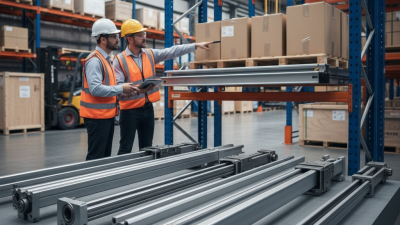
Choosing the right Telescopic Guide Rails can greatly affect your project’s success. These rails are essential in various applications, from kitchen drawers to industrial machinery. Selecting the best option requires careful consideration of multiple factors.
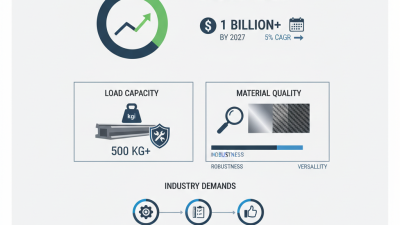
Start by evaluating the load capacity. Each Telescopic Guide Rail has a specific weight limit, which influences its performance. Understanding your project’s requirements ensures safety and functionality. Pay attention to material quality as well. High-quality steel offers durability, while lightweight aluminum may suit different needs.
It's also important to consider installation ease. Some models require complex setups, which could lead to frustration. Reflect on your skills and available tools before making a choice. Remember, the right Telescopic Guide Rails should enhance efficiency and convenience in your daily tasks.
Understanding Telescopic Guide Rails: Key Features and Benefits
Telescopic guide rails are essential in various applications, from furniture to industrial machinery. They provide smooth and reliable movement, enhancing functionality. Understanding their key features can significantly affect your decision-making process.
Material quality is crucial. High-grade steel or aluminum typically offers durability. Also, consider the load capacity. It should match your specific needs. A rail that is too weak can lead to failure, causing potential accidents.
Another important aspect is the ease of installation. Some guide rails come with complex setups, which can be daunting. Look for user-friendly designs that allow quick assembly. Maintenance is also a factor to consider. Regular checks can prolong their lifespan. A little attention can prevent larger issues later. Reflecting on these elements can lead to better choices.
Types of Telescopic Guide Rails: A Comprehensive Comparison
When choosing telescopic guide rails, understanding their types is essential. There are several categories, each designed for specific applications. For instance, rolling and sliding variants offer different levels of load capacity and durability. According to industry reports, the rolling type can handle loads up to 1,500 kg, while the sliding type is often more suited for lighter loads. This differentiation is crucial for selecting the right rail for a given task.
In construction and industrial settings, the choice of guide rails significantly impacts efficiency. A recent report emphasizes the rise of heavy-duty systems, which can withstand harsh environments. These systems typically feature corrosion-resistant materials, enhancing their lifespan. However, a common oversight is neglecting to assess the rail's specific application. Miscalculating load requirements can lead to premature failure.
Detailed specifications must be scrutinized. For instance, some rails offer adjustable lengths, accommodating various installations. This flexibility is beneficial but can also complicate the selection process. Users should conduct thorough evaluations to ensure compatibility with existing setups. The market is diverse, but this can also lead to confusion about the best choices available.
Load Capacity Considerations for Telescopic Guide Rails Selection
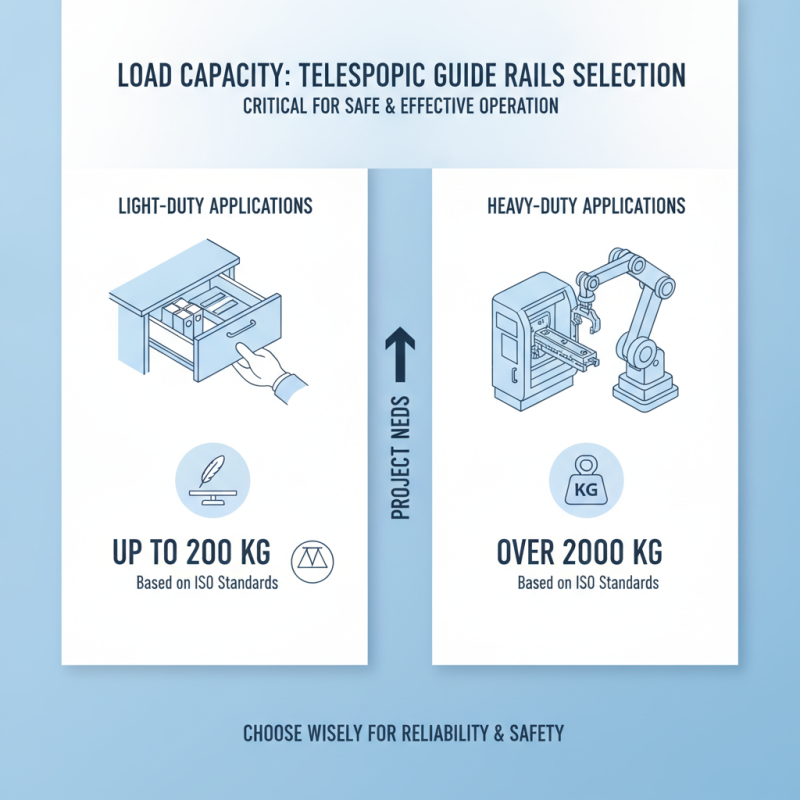
When selecting telescopic guide rails, load capacity is a critical factor. Different applications require different capacities. For instance, a report by the International Organization for Standardization indicates that guide rails must support weights ranging from light-duty tasks (up to 200 kg) to heavy-duty applications (over 2000 kg). Understanding the specific needs of your project is essential to ensure safe and effective operation.
It's important to assess not just the load weight, but also the distribution. Weight that is unevenly distributed can lead to premature wear or failure. According to an engineering review published in the Journal of Mechanical Engineering, improperly chosen rails can lead to a 30% decrease in lifespan. Hence, examining your load patterns helps in selecting appropriate guide rails.
In some cases, companies underestimate the dynamic loads involved, especially in machinery with moving parts. These can create forces that exceed static weight capacities by two or three times during operation. Reflecting on these factors can improve your selection process. A thoughtful approach can mitigate risks and enhance efficiency in your application.
Material Choices for Durability and Performance in Guide Rails
When selecting telescopic guide rails, material choice is crucial. Different materials offer various strengths, impacts, and durability levels. Common options include aluminum, stainless steel, and plastic composites. Each material has its own advantages and disadvantages. For instance, aluminum is lightweight and resistant to corrosion, making it ideal for outdoor applications. However, it may not withstand heavy loads as well as steel does.
Stainless steel is another popular choice. It provides exceptional strength and resistance to rust. This makes it suitable for environments with moisture. Yet, its weight can be a drawback when portability is a concern. On the other hand, plastic composites are lightweight and resistant to wear, but they might lack the structural integrity required for demanding tasks.
It's essential to evaluate the specific environment where the guide rails will be used. Selecting the wrong material can lead to performance issues, increased maintenance, or even failure. Consider factors like load capacity, exposure to chemicals, and temperature extremes. Assessing these details helps ensure a more reliable setup. Mistakes can happen, but careful consideration can mitigate risks and lead to better choices in guide rails.
Factors Influencing the Installation and Maintenance of Guide Rails
When selecting telescopic guide rails, several factors are significant for installation and maintenance. Firstly, understanding the intended application is crucial. The industry report by ResearchAndMarkets indicates that nearly 45% of guide rail issues arise from improper installation. Ensuring the right dimensions and load capacity helps avoid these problems.
Another important aspect is the environment where guide rails are installed. Harsh conditions, like exposure to moisture or extreme temperatures, can affect durability. A study from the American Institute of Steel Construction notes that 30% of maintenance costs are linked to corrosion in unsuitable environments. Regular checks and preventive measures are necessary to maintain performance.
Finally, the choice of materials impacts longevity. Less robust materials can lead to premature wear. A significant percentage of users report dissatisfaction with their guide rails due to inadequate material selection. Careful consideration of both the installation environment and material quality helps mitigate such issues and enhances the overall functionality of the guide rails.