How to Choose the Right Heavy Duty Telescopic Rail for Your Needs?
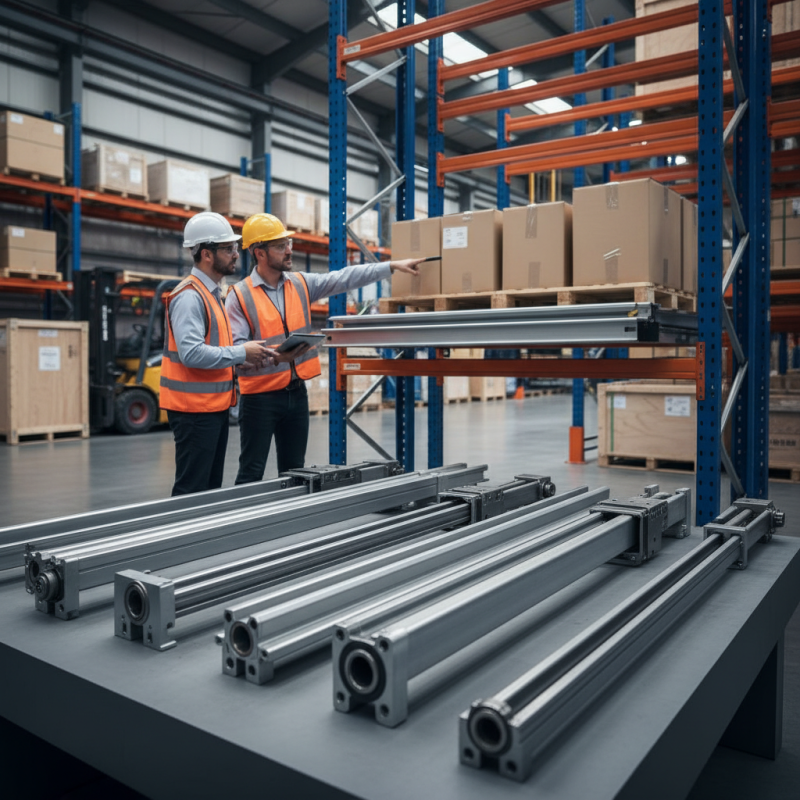
Choosing the right Heavy Duty Telescopic Rail can be challenging. With various options available, it’s essential to consider your specific needs. These rails are designed for durability and flexibility, often used in warehouses or industrial settings.
Understanding factors like weight capacity, length, and material can make a difference. Selecting a rail that meets your application's requirements is crucial. Misjudgment here can lead to safety risks and operational inefficiencies.
Moreover, reviews and expert insights provide a deeper understanding of performance and reliability. Engaging with professionals can help pinpoint the best choices. Ultimately, investing time in research will pay off when utilizing Heavy Duty Telescopic Rails effectively in your operations.
Understanding Heavy Duty Telescopic Rails: Key Specifications and Features
When selecting a heavy-duty telescopic rail, understanding specifications is crucial. These rails are often measured by their load capacity, which can range from 200 to 1,000 pounds. A report from the American Society for Testing and Materials (ASTM) indicates that the material strength and design significantly affect durability and performance. Key features include corrosion resistance and ease of installation, which are essential for long-term use in various environments.
Load capacity is not the only factor. Rail extension length also matters. Optimal extension ensures that the rail can handle dynamic loads effectively. According to industry studies, users often underestimate the importance of choosing the right extension length, which can lead to inefficient use and potential accidents. Regular maintenance can enhance performance and longevity, making it a vital consideration before purchase.
Tips: Always evaluate the maximum load against potential future needs. Consider the environment where the rail will be installed; this can impact material choice. Don't overlook user reviews and expert insights. They can provide valuable information on performance under real-world conditions.
Weight Capacity Considerations: Selecting Rails for Your Application
When selecting heavy-duty telescopic rails, weight capacity is a critical aspect. Each application has unique requirements that influence the choice of rail. Understanding these needs ensures safety and functionality. A rail must endure the intended load without bending or breaking. Analyzing the maximum weight a rail can handle is essential, as underestimating can lead to failures.
Consider the materials used in rail construction. Strong materials like steel or aluminum can provide higher weight capacities. Don't overlook the connections and supports; these can be weak points. In some cases, even a well-made rail can fail if not correctly installed. Be cautious about where you source your rails, as reliability is often linked to quality.
Regardless of the specifications, always err on the side of caution. It's wise to choose a rail with a higher capacity than anticipated. This extra margin can accommodate unforeseen loads or usage changes. Parameters like load distribution and duration of usage also affect overall performance. In this evolving environment, reflecting on past decisions can help in making better choices in the future.
Material Options: Steel vs. Aluminum in Telescopic Rails
When selecting a heavy-duty telescopic rail, the material is crucial. Steel and aluminum are the two primary options. Steel is known for its strength and durability. It can handle heavy loads and extreme conditions. However, it can be prone to rust if not properly coated. Aluminums, on the other hand, offer a lightweight solution. They resist corrosion and are easy to handle. Yet, they may not support as much weight as steel.
Consider the application before choosing. If your rail will face extreme weight and conditions, steel is likely the better choice. For lighter applications, aluminum may suffice. It is wise to evaluate the environment in which the rail operates. A humid or wet area may benefit from aluminum's anti-corrosive properties. However, steel may still be viable with the right protective coating.
There is no one-size-fits-all answer here. Mistakes can happen if you overlook the specific needs of your project. Seek advice from experts or trusted sources. Weigh your options carefully, and remember that both materials have pros and cons. Analyze your requirements to make an informed decision.
How to Choose the Right Heavy Duty Telescopic Rail for Your Needs?
| Dimension |
Material |
Weight Capacity |
Corrosion Resistance |
Cost |
| 4 ft |
Steel |
600 lbs |
Moderate |
$150 |
| 6 ft |
Aluminum |
450 lbs |
High |
$200 |
| 8 ft |
Steel |
800 lbs |
Moderate |
$250 |
| 10 ft |
Aluminum |
600 lbs |
High |
$300 |
Maintenance Tips: Prolonging the Lifespan of Your Telescopic Rails
Maintaining heavy-duty telescopic rails is crucial for their durability. Regular inspections can identify wear and tear early. Research indicates that proper maintenance can enhance lifespan by 20-40%. Checking for rust or corrosion is vital, as these issues can lead to failure.
Cleaning is also essential. Dirt and debris can interfere with smooth operation. Use a mild detergent and a soft cloth for regular cleaning. This prevents build-up, which can cause premature wear. In a study, 75% of users reported improved performance after consistent maintenance routines.
Lubrication is another key aspect. Focus on using the right lubricant to ensure proper function. Insufficient lubrication may result in increased friction and wear. Industry reports show that well-lubricated rails have a 30% longer lifespan compared to poorly maintained ones. Remember, thoughtful maintenance reflects on operational efficiency.