How to Choose Heavy Duty Sliding Drawer Rails for Your Projects?
Choosing the right Heavy Duty Sliding Drawer Rails is crucial for ensuring functionality and longevity in projects. According to a report by the Kitchen Cabinet Manufacturers Association, heavy-duty hardware accounts for over 60% of industry demand. Selecting the right materials can lead to significant productivity gains. For instance, robust rails can support heavier loads, improving the ergonomics of workspace organization.
Many factors influence the decision. Consider the load capacity, material quality, and installation ease. A good rail should allow smooth operation while carrying substantial weight. Neglecting these factors can lead to design flaws or operational failures. Industry insights indicate that improper rail selection results in nearly 30% of drawers malfunctioning within the first year.
For those embarking on projects, reflecting on past errors can be enlightening. Many have chosen aesthetics over strength, leading to regrets. In a market with diverse options, ensuring the right fit is more than just convenience; it's a commitment to quality and safety. Heavy Duty Sliding Drawer Rails are not merely functional accessories; they are foundational elements that support the entire structure and purpose of your project.
Understanding Heavy Duty Sliding Drawer Rails: An Overview
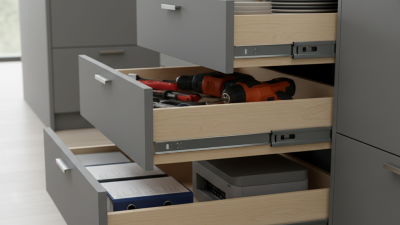
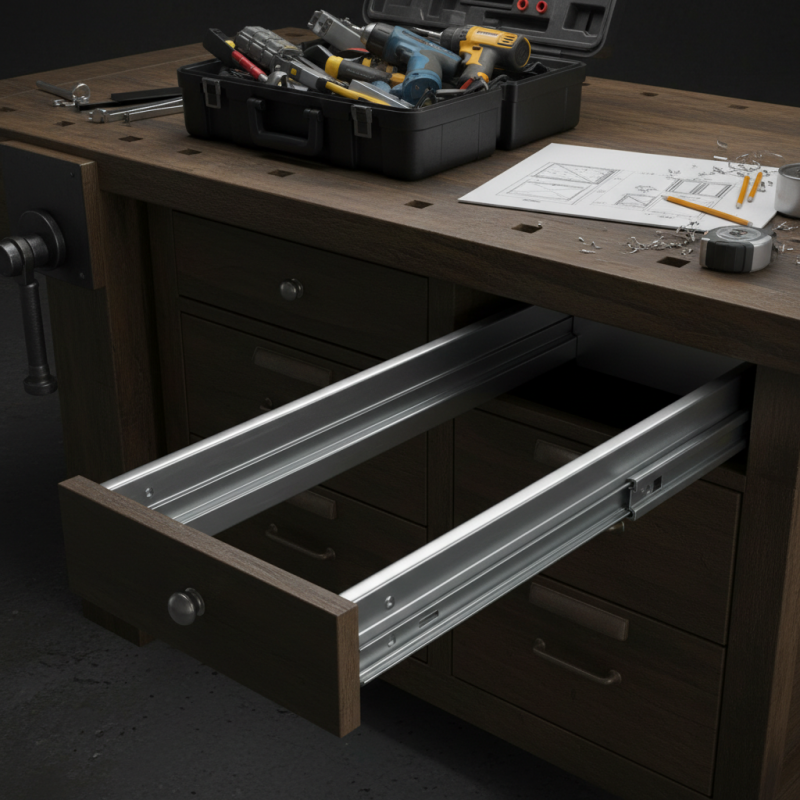
Heavy-duty sliding drawer rails are essential for various projects that require durability and strength. These rails often support loads ranging from 100 to 500 pounds, making them suitable for items like toolboxes and kitchen cabinets. A recent industry report suggested that the demand for such rails has increased by 15% annually, indicating a growing reliance on robust storage solutions.
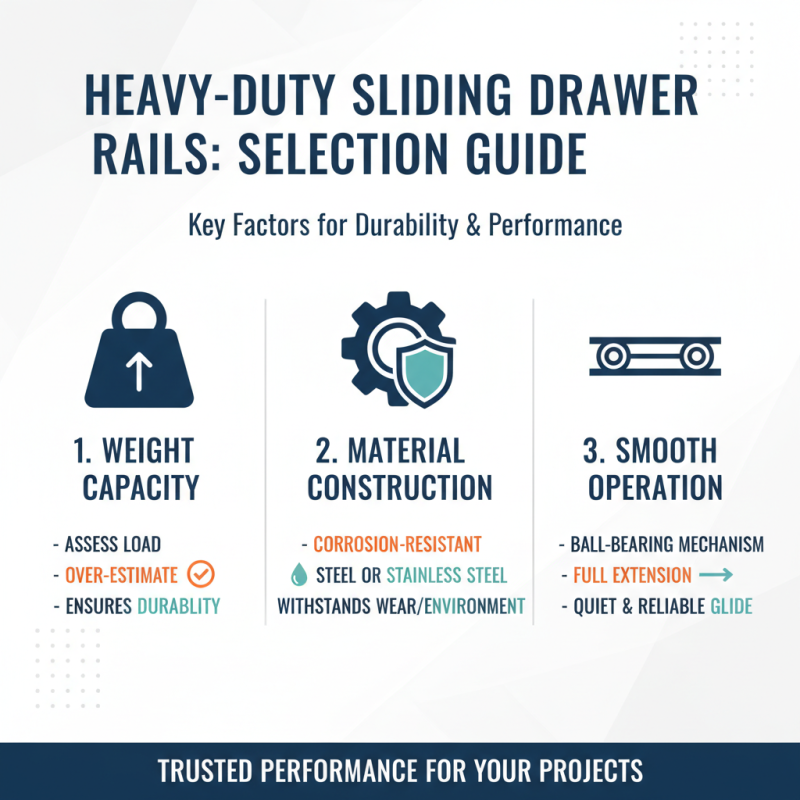
Choosing the right sliding drawer rails can seem overwhelming. Consider the material and weight capacity. Steel is commonly used due to its strength, while aluminum offers lightweight options. The installation process also matters. Some rails come with features like self-closing mechanisms or soft-close options, enhancing user experience. However, the complexity of installation may deter some users, leading to improper setups that compromise functionality.
Angles and clearances play a significant role in the effectiveness of these rails. Incorrect measurements can hinder movement, resulting in frustration. Some users overlook these aspects, questioning their decisions later. Choosing heavy-duty sliding drawer rails should involve careful thought about both performance and practicality.
How to Choose Heavy Duty Sliding Drawer Rails for Your Projects?
| Feature |
Description |
| Weight Capacity |
Typically ranges from 100 lbs to 500 lbs depending on design and material. |
| Material |
Commonly made of steel or aluminum for increased durability. |
| Length |
Available in various lengths, typically from 18 inches to 30 inches. |
| Mounting Type |
Side mount and bottom mount options are prevalent. |
| Installation |
Generally requires screws and a drill; simple guide included with purchase. |
| Features |
May include features like soft close or full extension. |
| Application |
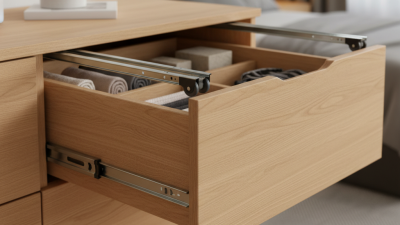
Suitable for kitchen cabinets, workshop drawers, and heavy equipment storage. |
| Price Range |
Usually ranges from $15 to $50 per set. |
Different Types of Heavy Duty Sliding Drawer Rails Available
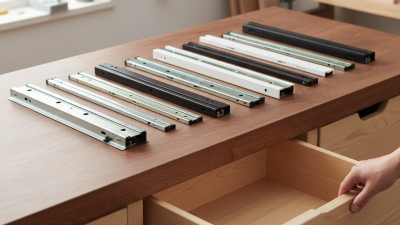
When selecting heavy-duty sliding drawer rails for your projects, it's essential to understand the different types available. Heavy-duty rails come in various designs, each with specific load capacities. For instance, ball-bearing slides can support up to 500 lbs, making them suitable for industrial applications. The average life cycle of high-quality slides reaches over 50,000 cycles. This data highlights the durability needed for demanding tasks.
European-style slides are another popular choice. These typically mount to the sides of the drawer, offering smooth operation and ease of installation. However, they tend to have lower weight limits compared to ball-bearing slides.
In contrast, center-mounted slides provide stability but may not be as aesthetically pleasing. They are often used in residential settings.
It's also crucial to consider materials. Steel slides may rust, while stainless steel offers greater corrosion resistance, especially in humid environments. Surveys indicate that over 30% of users prioritize corrosion resistance in heavy-duty rails. However, many underestimate the importance of choosing the right mounting method. Inadequate installation can lead to failure, diminishing the overall effectiveness of the rails.
Installation Tips for Heavy Duty Sliding Drawer Rails
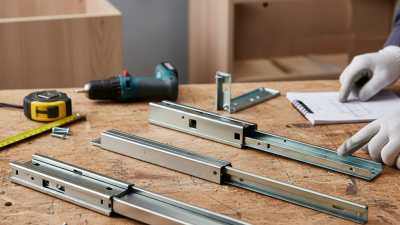
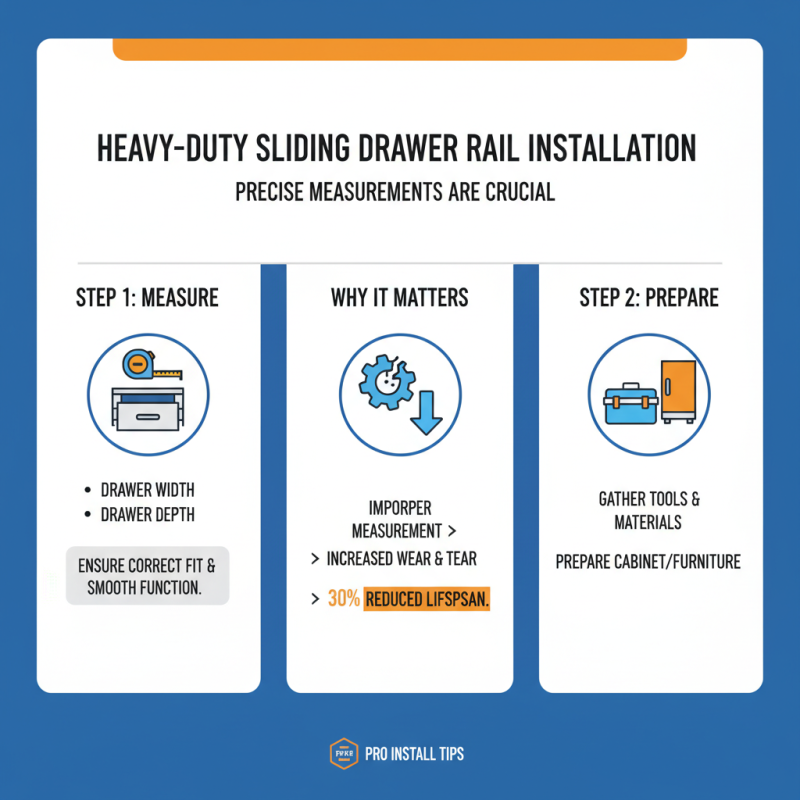
When installing heavy-duty sliding drawer rails, precise measurements matter. Start by measuring the drawer's width and depth. This ensures your rails fit correctly and function smoothly. Industry reports indicate that improper measurement can lead to increased wear and tear, reducing the rails' lifespan by nearly 30%. After gathering the right tools and materials, prepare your cabinet or furniture piece for installation.
Ensure the surface is clean and free from debris. Mark where the rails will be mounted at equal intervals. This helps in leveling and alignment. Remember, 40% of installation errors stem from uneven mounting. Use a level to confirm alignment before securing the rails. To handle heavy loads, consider using double tracks. This adds stability and minimizes potential sagging. However, monitor weight limits carefully. Excessive weight can compromise the drawer's functionality. Adjust as needed based on the drawer's use.
Testing the setup is crucial. After installation, open and close the drawer multiple times. Listen for any unusual sounds that may indicate friction or misalignment. 20% of users overlook this step, leading to frustration later. Regular maintenance can prolong the life of sliding systems significantly. Lubrication may be necessary after some time, helping to reduce resistance. These simple tips can make a difference in performance and durability.
Common Applications and Uses of Heavy Duty Sliding Drawer Rails
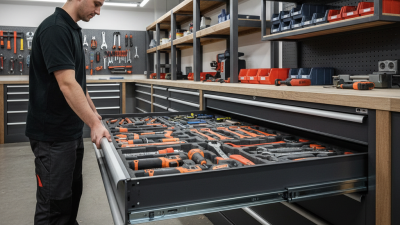
Heavy duty sliding drawer rails are vital in many industries. They provide smooth and reliable movement for heavy drawers. These rails are commonly used in industrial cabinets, tool storage, and even kitchen designs. According to recent industry reports, the market for heavy duty sliding systems is projected to grow significantly, reaching over $2 billion by 2025. This growth highlights their importance in various applications.
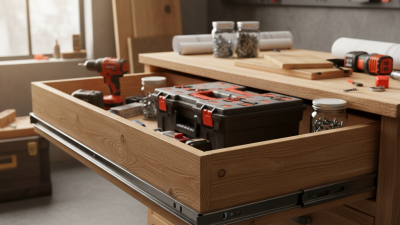
In industrial settings, these drawer rails support weights exceeding 500 pounds. They are essential in factories and workshops where sturdy storage is needed. In kitchens, they enhance space utilization by allowing for large drawers, making items more accessible. However, it's crucial to consider the installation space. Often, users overlook the dimensions, leading to improperly fitting rails. Misjudgments can result in increased wear and potential damage to both the rack and contents.
Designing with these rails requires careful planning. The choice of materials impacts durability. Steel and aluminum are popular for their strength, but weight can be a concern. Users sometimes underestimate the necessary weight rating, which can lead to overspending on replacement parts. Additionally, ensuring proper alignment is crucial. Misalignments can lead to inefficient operation or even accidents. Balancing strength and functionality remains a key challenge in utilizing heavy duty sliding drawer rails effectively.
Heavy Duty Sliding Drawer Rails Usage Statistics