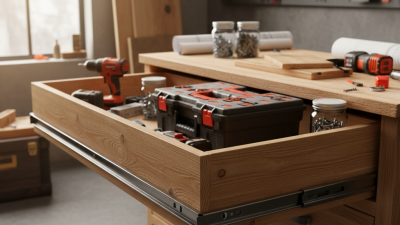
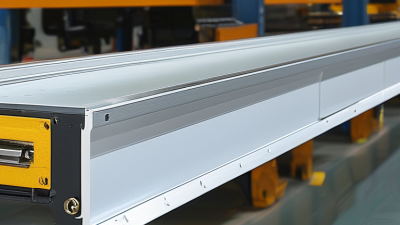
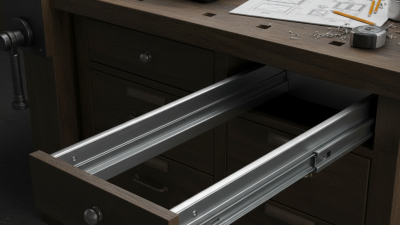
In 2026, choosing Heavy Duty Drawers requires more than checking a large weight number. Buyers must examine construction, movement, safety, and long-term service conditions. A drawer rated for 500 pounds may perform differently when loaded unevenly or opened thousands of times. That difference matters.
I have inspected storage systems in workshops, service vehicles, kitchens, and industrial work areas. The strongest designs usually combine thick-gauge steel, reinforced corners, quality ball-bearing slides, and reliable locking hardware. Smooth travel is important, but controlled movement matters more when tools or equipment are heavy. Check the full-extension range. Confirm whether the load rating applies to each drawer or the entire cabinet. Manufacturers do not always explain this clearly.
Look beyond the label.
This guide examines the practical details behind modern Heavy Duty Drawers. It considers material thickness, slide capacity, corrosion resistance, installation space, and maintenance access. It also discusses real working conditions, including vibration, dust, temperature changes, and uneven loading. A product can appear excellent in a showroom yet feel unstable after months of daily use. Installation errors can create similar problems, even with premium hardware.
Some recommendations may not fit every workspace. That is worth admitting. The ideal drawer depends on load type, opening frequency, available clearance, and budget. Reliable decisions come from comparing verified specifications with actual use. Measure twice. Question vague claims. Then choose a drawer system that supports your work without creating new problems.
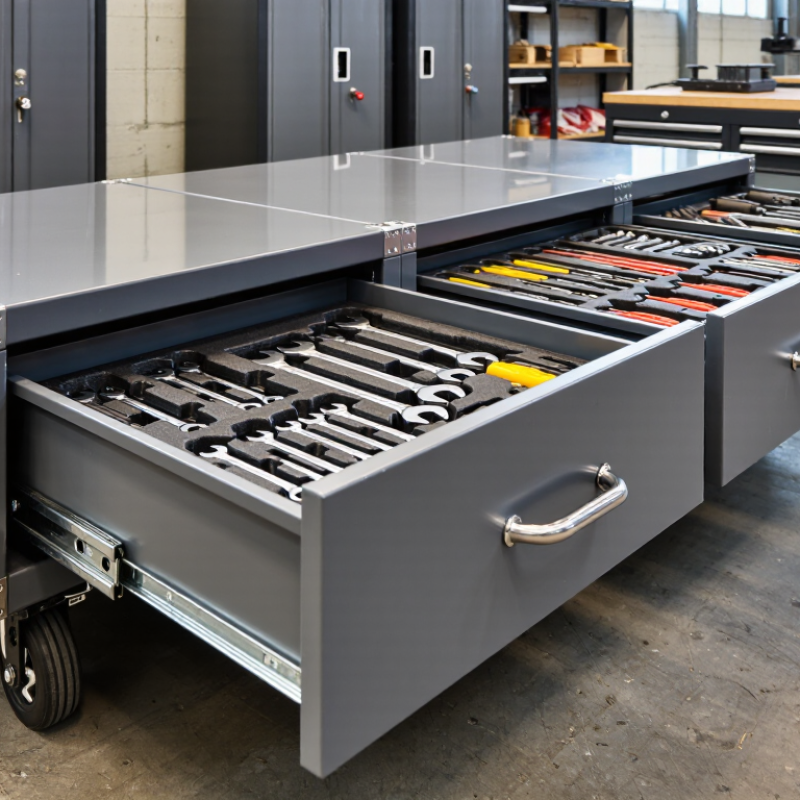
Heavy-duty drawers are storage compartments designed to carry substantial weight without sagging, binding, or sudden movement. They usually combine a reinforced drawer box with steel slides, rollers, or ball-bearing tracks. The slides transfer the load into the cabinet frame. That structure matters more than a thick front panel.
Most models use full-extension slides, allowing the rear contents to come forward. Some include lock-in and lock-out features, which reduce unwanted movement in vehicles or workshops. Load ratings normally describe supported weight under specific conditions. A drawer rated for 200 kilograms may require evenly distributed weight and correct installation. Read the technical sheet carefully. Numbers can mislead.
When choosing drawers in 2026, measure cabinet depth, opening width, and side clearance before comparing features. Check whether the rating is dynamic or static. Dynamic capacity reflects movement, while static capacity concerns a stationary drawer. I have seen installations fail because users ignored mounting screws and frame strength. The drawer was strong. The cabinet was not.
Consider corrosion-resistant finishes for damp garages, smooth travel for frequent access, and adjustable dividers for tools or components. A low-profile handle can prevent clothing from catching during daily work. Test the drawer at partial load first. Then inspect alignment, noise, and resistance. Real workshops are rarely perfect. Even careful measurements can miss a warped cabinet or uneven floor. That small mistake deserves attention.
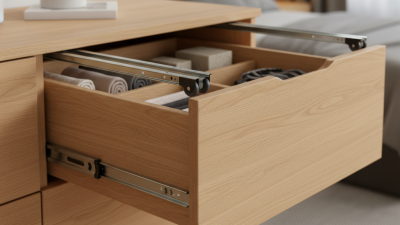
Choosing heavy duty drawers starts with realistic load calculations. Check the dynamic load rating, not only the impressive static figure. A drawer carrying 80 kilograms during movement needs stronger slides than one holding 80 kilograms at rest. Measure the full load, including tools, trays, and accidental overloading. I once underestimated stored hardware by nearly 15 kilograms. That mistake caused uneven movement and early adjustment problems. Look for a suitable safety margin, smooth travel, and limited deflection under pressure.
Tips: Compare cycle-test data, slide thickness, mounting-hole accuracy, and locking performance. Ask whether the rating applies to the complete drawer system. Confirm the load position, extension length, and testing direction. These details can change the real capacity.
depends on more than steel thickness. Cold-rolled or hardened steel may resist bending, while protective coatings help manage moisture and workshop chemicals. Inspect the bearing system for contamination resistance and consistent movement. Full-extension slides improve access, but they can experience greater leverage when heavily loaded. Reinforced corners, reliable stops, and adjustable mounting points also matter. A drawer should close without scraping, binding, or sudden impact. However, published cycle numbers are not always comparable. Testing methods differ, and real environments are messier. Leave room for that uncertainty when selecting a specification.
Choosing heavy duty drawers in 2026 starts with accurate measurements, not appearance. Measure the cabinet opening, internal depth, and available side clearance. Record each dimension twice. Small errors can cause binding.
Drawer size must match the stored load and the available space. A shallow drawer may suit tools, while a deeper drawer can hold equipment with a high center of gravity. Check the rated load during movement, not only when stationary. A 100-kilogram rating may require balanced weight and correct installation. I once selected a drawer by external width alone. The slides fit, but the drawer front blocked the cabinet frame. That mistake was avoidable.
Extension type affects access and safety. Partial-extension slides leave the rear section hidden. They work for lighter items used near the front. Full-extension slides expose nearly the entire drawer, making rear tools easier to reach. Over-travel slides move farther forward, which helps when a countertop or frame obstructs access. Leave room for handles and nearby doors. Check whether the slide needs side, bottom, or top mounting. Side-mounted systems often require equal clearance on both sides. Real workshops are rarely perfectly square. Allow adjustment space. Review the installation guide, load curve, and cycle rating before purchasing. A soft-close feature is useful, but it does not correct poor alignment. My measurements still need improvement.
How to Choose Heavy Duty Drawers in 2026?
Heavy duty drawers should match the working environment, not only the advertised load rating. Powder-coated steel suits workshops, service vehicles, and warehouse cabinets because it resists impact and daily abrasion. Stainless steel performs better near moisture, cleaning chemicals, or coastal air. Aluminum reduces weight, which matters in mobile equipment, but it may flex under concentrated loads. Check the actual load capacity, drawer width, and extension length together. A strong material alone cannot prevent poor performance.
Drawer slides need equal attention. Full-extension slides improve access to tools at the rear. Lock-in and lock-out functions help prevent movement during transport or maintenance. For dusty spaces, inspect sealing details and choose components that tolerate contamination. In food-processing or medical environments, smooth surfaces and corrosion resistance simplify cleaning. Handles should remain comfortable with gloves. Small details matter.
Tips: Measure the cabinet opening twice. Leave space for installation. Test the drawer with its real contents, not empty boxes. I once focused too much on maximum capacity and overlooked awkward access. That mistake made a “strong” drawer frustrating to use. Also check mounting alignment, service temperature, and replacement hardware availability. A quieter slide may be worth choosing in shared workspaces, although quiet operation can sometimes reduce the feeling of ruggedness. Think beyond specifications. Watch how people actually work.
Which Materials and Features Suit Different Applications
| Drawer Type / Material | Typical Load Range* | Environmental Suitability | Recommended Applications | Useful Features | Main Advantages | Limitations and Selection Notes |
|---|---|---|---|---|---|---|
| Zinc-Plated Steel | Approximately 45–225 kg per drawer, depending on slide size and installation | Indoor use and generally dry workshops; moderate resistance to corrosion | Tool cabinets Industrial storage Workshop benches | Full extension, locking mechanism, adjustable mounting, ball-bearing slides | High stiffness, good wear resistance, and usually lower cost than stainless steel | Not ideal for persistent moisture, salt spray, or frequent chemical exposure without additional protection |
| Powder-Coated Steel | Approximately 90–450 kg per drawer in reinforced designs | Indoor and sheltered outdoor environments; coating quality and edge protection are important | Maintenance vehicles Factory storage Service bodies | Heavy-duty slides, positive locking, anti-rattle adjustment, protective drawer liner | Strong load-bearing structure with a durable, cleanable surface and many color options | Scratches or damaged edges can expose steel to corrosion; verify coating thickness and repair damage promptly |
| Stainless Steel | Approximately 90–450 kg per drawer in heavy-duty configurations | Wet, humid, washdown, coastal, and selected food-processing environments | Marine equipment Food service Outdoor systems | Corrosion-resistant slides, sealed bearings, drain-friendly construction, non-porous liners | Strong corrosion resistance and easy cleaning when the correct stainless grade and finish are selected | Higher cost and weight; stainless steel is not automatically resistant to every chemical or high-temperature condition |
| Aluminum | Approximately 45–180 kg per drawer, depending on profile design and reinforcement | Indoor, mobile, and outdoor applications where low weight matters | Vehicle storage Aerospace support Portable equipment | Lightweight construction, anodized finish, corrosion-resistant hardware, full-extension slides | Lower mass than steel and good natural corrosion resistance | Generally less rigid than steel at the same section size; avoid concentrated loads unless reinforced |
| Polymer or Composite Drawer | Approximately 20–135 kg per drawer, depending on material and frame support | Moisture-prone environments, mobile storage, and applications requiring electrical insulation | Utility vehicles Laboratories Electrical service | Water-resistant body, molded compartments, soft-close or detent action, non-conductive construction | Low corrosion risk, low noise, and reduced weight | Can have lower temperature resistance, impact strength, and load capacity than metal drawers; confirm material specification |
| Welded Steel Drawer | Approximately 225–900 kg per drawer in engineered industrial systems | Heavy industrial and controlled indoor environments | Diesel workshops Machine rooms Tool cribs | Reinforced base, welded seams, high-capacity slides, mechanical lock, anti-tip interlock | Excellent structural strength and resistance to deformation under heavy static loads | Heavy and difficult to relocate; installation structure must support both the drawer mass and dynamic loads |
| Weather-Sealed Drawer System | Approximately 90–450 kg per drawer, subject to seal, slide, and enclosure design | Outdoor exposure, dust, splash water, and mobile applications | Emergency vehicles Construction equipment Field service | Compression gasket, protected latch, drainage path, corrosion-resistant hardware, vibration restraint | Helps protect contents from dust, rain splash, and vibration when correctly installed | A sealed drawer is not automatically waterproof; inspect gasket compression, drainage, and the enclosure's stated protection rating |
| Mobile Tool Drawer with Casters | Approximately 225–900 kg total cabinet capacity; confirm per-drawer and per-caster ratings | Smooth indoor floors and controlled workshop environments | Automotive repair Production maintenance Assembly areas | Locking casters, total-lock brakes, anti-tip mechanism, full-extension slides, drawer liners | Flexible access to tools and efficient organization near the work area | Rated capacity decreases when moved over uneven surfaces; heavy drawers should remain closed during movement |
| High-Temperature Metal Drawer | Approximately 90–450 kg per drawer, depending on slide lubrication and construction | Warm industrial areas; exact operating temperature must be confirmed with the slide supplier | Ovens and kilns Heat-treatment areas Foundry support | High-temperature grease, heat-resistant seals, metal handles, thermal spacing, temperature-rated slides | Suitable for conditions where ordinary polymers, lubricants, or soft-close components may degrade | Load rating, lubrication interval, handle temperature, and clearance can change significantly at elevated temperatures |
*Load ranges are representative engineering ranges for heavy-duty drawer systems, not universal ratings. Actual capacity depends on slide type, drawer width and depth, mounting method, load distribution, cycle frequency, travel length, and safety factor. Always use the manufacturer's tested rating for the specific configuration.
Choosing heavy duty drawers in 2026 requires more than checking load capacity. Installation quality often decides whether that rating remains trustworthy. I inspect the cabinet structure, mounting rails, fasteners, and drawer alignment before loading anything. The mounting surface must be rigid, clean, and free from cracks. Soft panels may need reinforcement. Small details matter.
Use a level during installation, then open each drawer slowly. It should move smoothly without scraping, tilting, or sudden resistance. Check that every fastener is fully seated and that the drawer stops engage correctly. Test the load gradually, not all at once. Keep hands clear during testing. A drawer that shifts under weight needs adjustment immediately. I once trusted a visually neat installation and missed a slightly loose rear fastener. It became obvious after repeated use.
Safety checks should continue after installation. Inspect screws, rails, handles, and locking parts every few months. Look for bent metal, unusual noise, rust, or uneven gaps. Remove dust and grit with a dry or lightly damp cloth. Avoid harsh chemicals unless the material instructions permit them. Lubricate only parts designed for lubrication. Record inspection dates and observed changes. My maintenance notes are not always perfect, but they reveal patterns before failures become serious. Do not exceed the verified working load, even when the drawer still opens easily. Temperature, moisture, and frequent impact can reduce service life. Recheck alignment after moving the cabinet or changing its contents.