How to Choose the Best Metal Drawer Glides for Your Needs?
Choosing the right metal drawer glides can greatly enhance your storage solutions. These components are essential for smooth drawer operation. With so many options available, it’s important to consider several factors before making a decision.
Metal drawer glides come in various styles and materials. Each type offers unique advantages. Some glides provide better weight capacity, while others focus on ease of installation. Knowing your needs helps narrow down the choices available.
Quality and durability are crucial. Investing in reliable metal drawer glides ensures longevity. Yet, it’s easy to overlook smaller details during the selection process. Take the time to assess your specific requirements. Reflect on how each option aligns with your project. This thoughtful approach will lead to better outcomes.
Understanding Different Types of Metal Drawer Glides Available
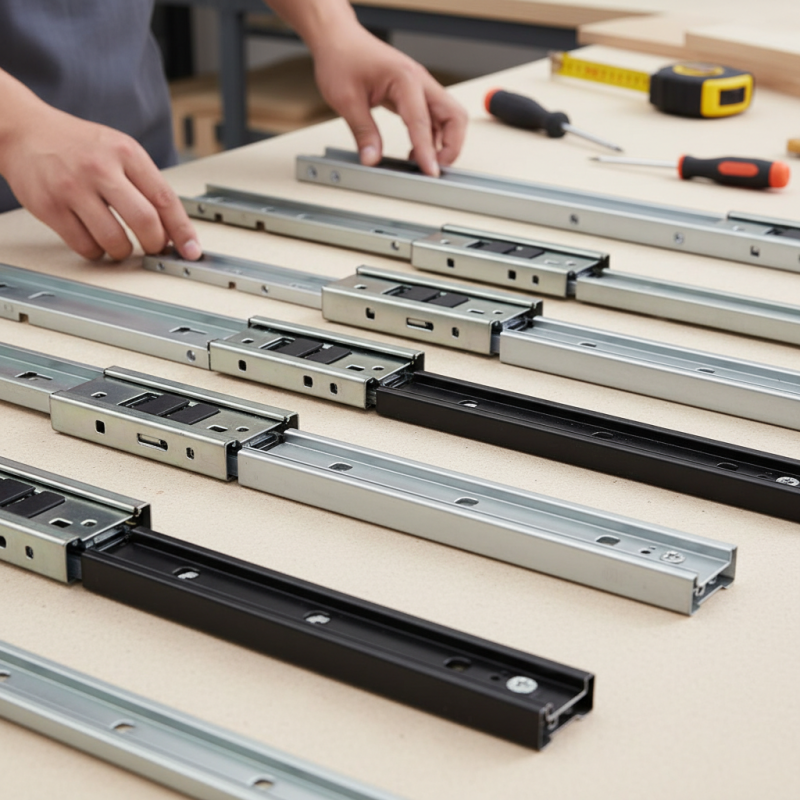
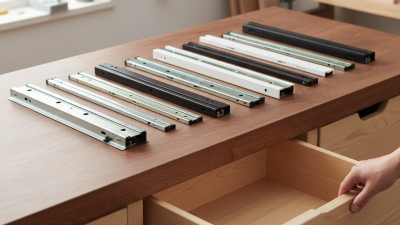
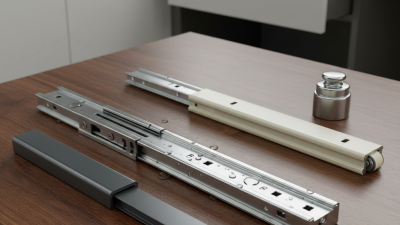
When selecting metal drawer glides, it's essential to understand the different types available. This knowledge can make a significant difference in functionality and durability. Common types include side-mounted, bottom-mounted, and center-mounted glides. Each type has unique characteristics and fits different drawer designs.
Side-mounted glides are popular for their ease of installation and accessibility. They allow a drawer to slide smoothly while providing lateral support. Bottom-mounted glides are more discreet, hidden beneath the drawer, which can enhance aesthetics. They often offer better weight distribution for heavier loads. Center-mounted glides, on the other hand, provide stable support from the center, balancing the drawer's weight.
Beyond these types, consider material quality and weight capacity. High-quality metal glides resist bending and wear over time. Checking weight ratings is crucial for long-lasting performance. Sometimes, even the best options can have installation challenges. Misalignment can lead to frustrating usage. Evaluating your specific needs will guide you towards the right choice.
Key Factors to Consider When Choosing Metal Drawer Glides
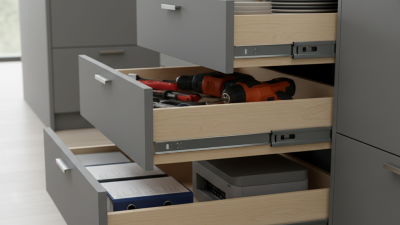
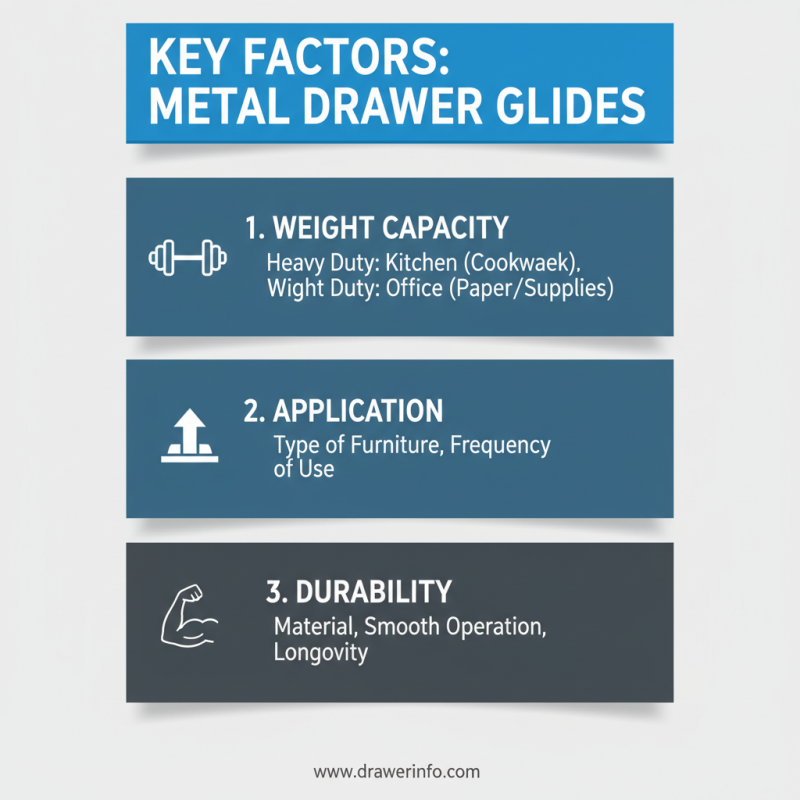
When selecting metal drawer glides, consider weight capacity. Different applications require varying levels of support. For instance, kitchen drawers often need heavier glides to handle cookware. In contrast, office drawers may require lighter options. Ensure the glides can handle your specific usage without bending or wearing down quickly.
Another essential factor is the glide type. Side-mounted glides are common and provide good stability. However, under-mount glides create a clean look. Each type has its pros and cons that can impact installation and functionality. Evaluate the available space in your cabinets. Some glides may require more room for proper operation.
Lastly, think about the installation process. Some metal drawer glides come with complex setups. Others are more user-friendly. Consider your experience level with DIY projects. If you’re uncertain, consulting a professional can be beneficial. It’s essential to align your choice with your skill level to avoid mistakes that could lead to frustration down the line.
Evaluating Glide Material and Weight Capacity for Drawer Needs
When selecting metal drawer glides, evaluating glide material is crucial. Material impacts the durability and smoothness of movement. Stainless steel glides often provide strength and resistance to rust. On the other hand, aluminum glides are lighter but may not support as much weight. Understanding your drawer's purpose helps guide your choice. For heavy items, sturdier materials are essential.
Weight capacity is another key consideration. Analyze what you will store in the drawers. A glide's weight rating ensures the safety and functionality of your drawers. For kitchen use, heavier cookware demands robust glides. In contrast, lighter craft supplies may require less support. Not all glides perform equally under stress, so it’s vital to choose ones that fulfill your specific needs.
A common oversight is underestimating the importance of glide testing. Not every glide will handle daily use seamlessly. It’s often worth experimenting with different types to see which feels right. Sometimes, the ideal glide can be a blend of materials or designs. This trial and error process can reveal surprising results. Take time to find what truly works for your space.
Installation Tips for Metal Drawer Glides to Ensure Smooth Operation
When installing metal drawer glides, attention to detail is crucial for ensuring smooth operation. Begin by selecting the right type of glide for your drawer's weight capacity. Industry reports indicate that incorrectly rated glides can fail under stress, leading to operational issues. Aim for glides that can support at least 70% of the drawer's maximum load. This will enhance durability and performance, reducing the need for early replacements.
Proper alignment is vital during installation. Many users overlook this step, resulting in jamming or uneven movement. Using a level can help ensure accurate placement. Additionally, ensuring that the glides are parallel can prevent many common issues. A study from the American Woodworking Institute highlights that misalignment is responsible for 50% of installation-related problems.
Lubrication shouldn't be neglected. Many metal drawer glides benefit from periodic lubrication. A silicone spray or a dedicated glide lubricant can significantly improve their lifespan. However, over-lubrication can attract dust and grime, leading to wear and tear. Finding the right balance is important for maintaining optimal performance. This real-world aspect often gets understated, yet it's as critical as selecting the correct glide type.
Comparison of Metal Drawer Glides Durability
Maintaining and Troubleshooting Metal Drawer Glides for Longevity
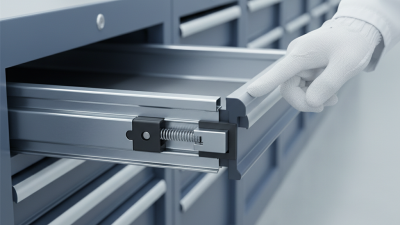
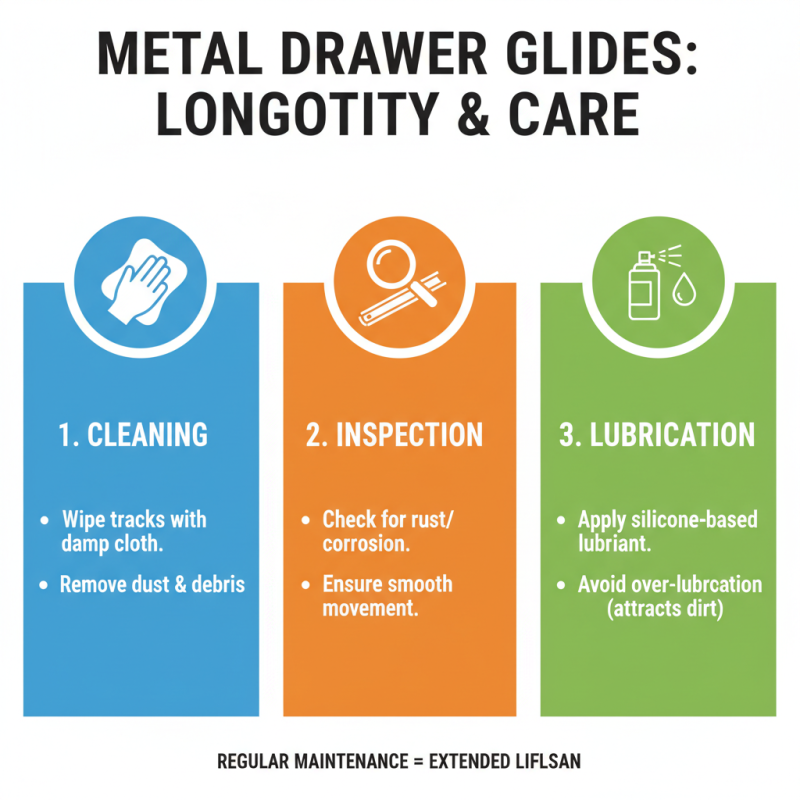
Maintaining metal drawer glides is essential for longevity. Regular cleaning is crucial. Dust and debris can accumulate in the tracks. A damp cloth can easily wipe these away. After cleaning, check for any signs of corrosion or rust. This can significantly affect their performance. Using a silicone-based lubricant protects against wear. However, avoid over-lubricating, as this can attract more dirt.
Troubleshooting minor issues can extend the life of your glides. If you notice sticking, inspect the glide for debris. A gentle tug can reveal if it’s misaligned. Sometimes, tightening screws might resolve instability. If you encounter excessive noise, it could indicate a lack of lubrication or worn-out parts. Observing these details can help maintain smooth operation. Remember, not all problems are straightforward. You might face unexpected wear despite regular care. Reflecting on these aspects is part of responsible maintenance.