What are Cabinet Runners and How to Choose Drawer Runners?
Drawer runners, or cabinet runners, play a crucial role in the functionality of furniture. They are essential for smooth and efficient drawer operation. According to industry reports, over 70% of homeowners prioritize drawer quality when selecting cabinetry. This statistic highlights the importance of understanding drawer runners and their impact on user experience.
Choosing the right cabinet runners drawer runner requires careful consideration. Factors such as weight capacity, material, and type of installation affect performance. For instance, metal runners often offer better durability than plastic ones. However, the latter can be sufficient for lighter loads. A survey revealed that 65% of users experienced frustration with sticky or jammed drawers. This suggests that many often overlook the importance of quality in selection.
Quality drawer runners can enhance the overall design and longevity of furniture. Yet, many consumers make impulsive decisions without thorough research. It is essential to understand the nuances that different runners offer. Investing in the right cabinet runners can significantly improve functionality, while poor choices may lead to dissatisfaction. Ultimately, informed choices drive a better experience and long-term satisfaction.
Understanding Cabinet Runners: Definition and Purpose
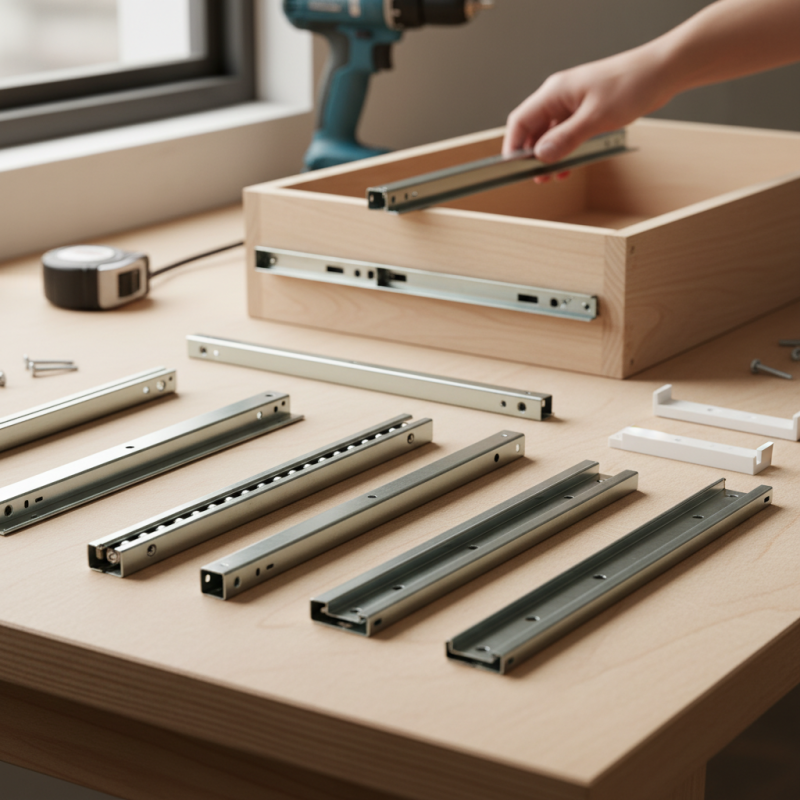
Cabinet runners, also known as drawer runners, are essential components in cabinetry. They allow drawers to slide in and out smoothly. The purpose of these runners is to enhance functionality and accessibility. Choosing the right runners can significantly impact the usability of your cabinets.
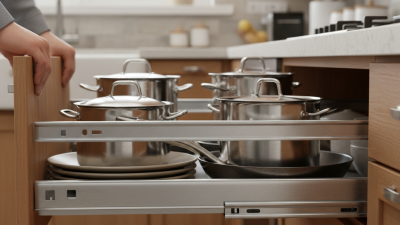
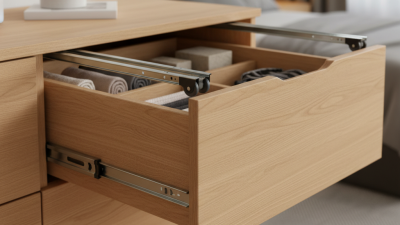
When selecting cabinet runners, consider the weight capacity. Different models can support varying loads. Opt for heavy-duty runners if you intend to store heavier items. It's crucial to match the runner type with the drawer style. For instance, side-mount runners are great for standard drawers, while under-mount types offer a seamless look.
Tips: Test the glide of the runners before making a purchase. A smoother glide indicates better quality. Also, consider the installation process. Some runners require more effort to install than others. Take your time to research options that best suit your needs. Remember, the right choice can elevate both aesthetics and functionality in your cabinetry.
Types of Drawer Runners: A Comprehensive Overview
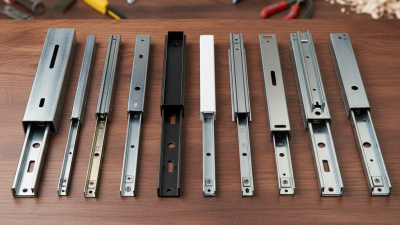
Drawer runners are crucial for the functionality of cabinets. There are several types available, each with unique advantages. Ball-bearing slides are popular for their smooth operation and durability. According to a recent industry report, over 56% of kitchen and bathroom renovations use this type. They are ideal for heavy drawers, allowing for easy access to stored items.
Soft-close runners prevent slamming, offering a quieter experience. They have gained a 30% market share in recent years, appealing to homeowners seeking comfort. However, they do require precise installation, which can be challenging for DIY enthusiasts. Roller slides, another option, are simpler but may not support heavy loads as effectively.
Choosing the right runner depends on specific needs. Consider weight capacity, drawer size, and frequency of use. Industry experts suggest that a well-chosen runner can enhance the lifespan of cabinets significantly. The wrong selection might lead to frustration and additional costs down the line. While many resources provide guidance, hands-on experience remains invaluable in understanding the nuances of drawer runners.
Key Considerations for Choosing the Right Drawer Runners
Choosing the right drawer runners is essential for functionality and aesthetics. When selecting cabinet runners, consider weight capacity, size, and installation type. A lightweight runner may not support heavier drawers. Be mindful of the materials. Metal and plastic have different durability levels.
Tips: Always check the load specifications. Ensure they match your drawer's intended use.
The slide mechanism is also crucial. Soft-close options provide a gentle, quiet close. On the other hand, traditional glides may wear out more quickly. Measure your drawer dimensions accurately. Runners need precise fitting to function well.
Tips: Take your time to measure twice. Mismatched sizes can lead to frustrating installation issues.
Lastly, finish and style matter too. Runners should complement your cabinetry. An incompatible color or design can detract from the overall look. Reflect on your choices, and don’t rush the decision. Explore multiple options to find the perfect fit for your project.
Installation Tips for Cabinet and Drawer Runners
When installing cabinet and drawer runners, attention to detail is crucial. The type of runners impacts functionality and durability. Research shows that 80% of kitchen complaints stem from dysfunctional drawers. Proper installation can significantly reduce these issues, enhancing user satisfaction.
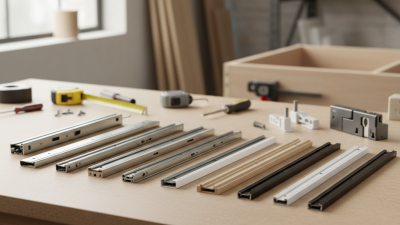
Begin by selecting the appropriate type of runner for your needs. Ball-bearing runners offer smooth operation and are ideal for heavier drawers. Alternatively, nylon rollers can be a cost-effective solution for lighter loads. Ensure the runner length matches your drawer dimensions, as a poor fit can lead to uneven sliding. As an installation tip, always align your runners before securing them. Misalignment can cause wear over time, resulting in more frequent replacements.
Additionally, consider the materials used in your runners. Metal options are often more durable compared to plastic. A report from the National Kitchen and Bath Association indicates that high-quality runners can extend the lifespan of drawers by up to 25%. Regular maintenance, like cleaning and lubrication, also plays a role in longevity. Oftentimes, DIYers overlook these tasks, leading to prematurely worn-out systems. By following these guidelines, you can improve the performance of your cabinet and drawer systems.
Maintenance and Care for Optimal Drawer Runner Performance
Drawer runners are essential for smooth and efficient drawer operation. Proper maintenance is crucial to ensure they perform optimally. Regular cleaning and lubrication can greatly enhance their lifespan. Dust and debris can accumulate, hindering movement. Use a damp cloth to wipe down the runners every few months. This simple action can prevent larger issues later.
For lubrication, choose a silicone-based spray or grease. Apply it sparingly to avoid attracting more dirt. A little care in this aspect can make a big difference. Check for any signs of wear or damage. If something looks off, it's worth addressing sooner rather than later. Ignoring small problems may lead to costly repairs down the line.
Tips: Regularly inspect your drawer runners for any loose screws or misalignment. Tighten or realign them to maintain smooth functioning. Avoid overloading your drawers, as excessive weight can strain the runners. Remember, even the best runners need attention. It's not just about choosing the right ones; maintaining them is equally essential for lasting performance.
What are Cabinet Runners and How to Choose Drawer Runners? - Maintenance and Care for Optimal Drawer Runner Performance
| Runner Type |
Material |
Load Capacity (kg) |
Recommended Applications |
Maintenance Tips |
| Ball Bearing Runners |
Steel |
50 |
Kitchen Cabinets |
Lubricate annually, check alignment quarterly. |
| Roller Runners |
Plastic |
30 |
Bedroom Furniture |
Keep clean, avoid heavy loads. |
| Soft-Close Runners |
Aluminum |
40 |
Living Room Cabinets |
Check damping mechanism regularly. |
| Heavy-Duty Runners |
Steel |
100 |
Workshop Drawers |
Inspect for wear, lubricate as needed. |