The Best Heavy Duty Telescopic Rail Options for Your Needs?
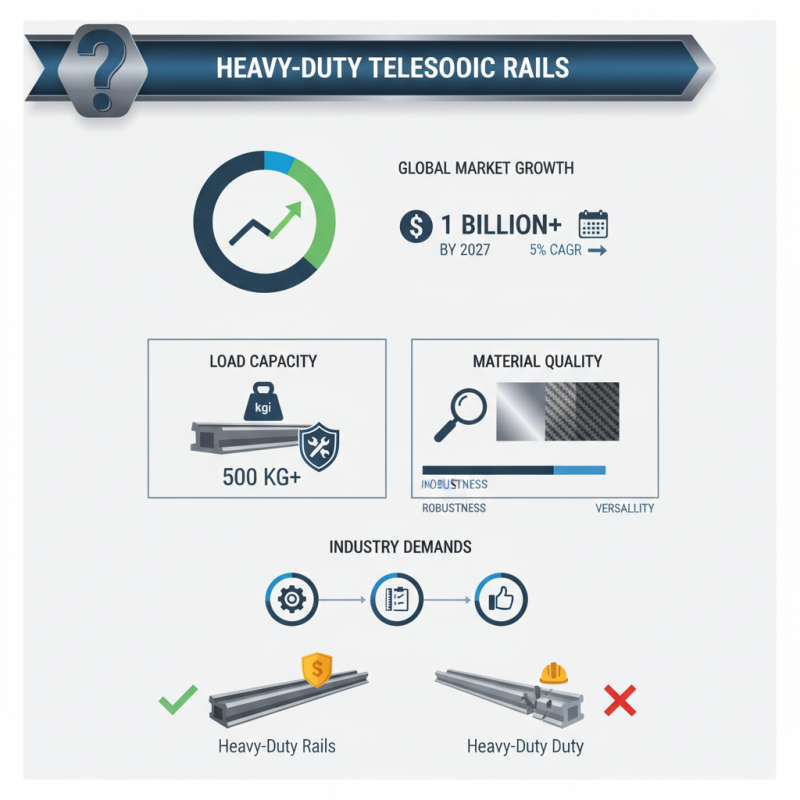
When searching for the best Heavy Duty Telescopic Rail options, understanding their impact is crucial. The global telescopic rail market is projected to reach over $1 billion by 2027, growing at a CAGR of 5%. This growth stems from industries demanding robust and versatile rail solutions. Heavy Duty Telescopic Rails offer stability and safety, crucial for various applications.
Many consumers overlook essential features like load capacity and material quality. A heavy-duty option can support weights exceeding 500 kg. However, not all products meet this standard. It is vital to choose rails that fit specific usage requirements. Failing to do so can lead to inefficiencies or even accidents.
The variety on the market can be overwhelming. Selecting the right Heavy Duty Telescopic Rail requires clear specifications. Misjudging these needs may result in costly replacements. An informed decision can enhance productivity and ensure safety in operations. Understanding your specific needs is key.
Essential Features to Consider When Choosing Heavy Duty Telescopic Rails
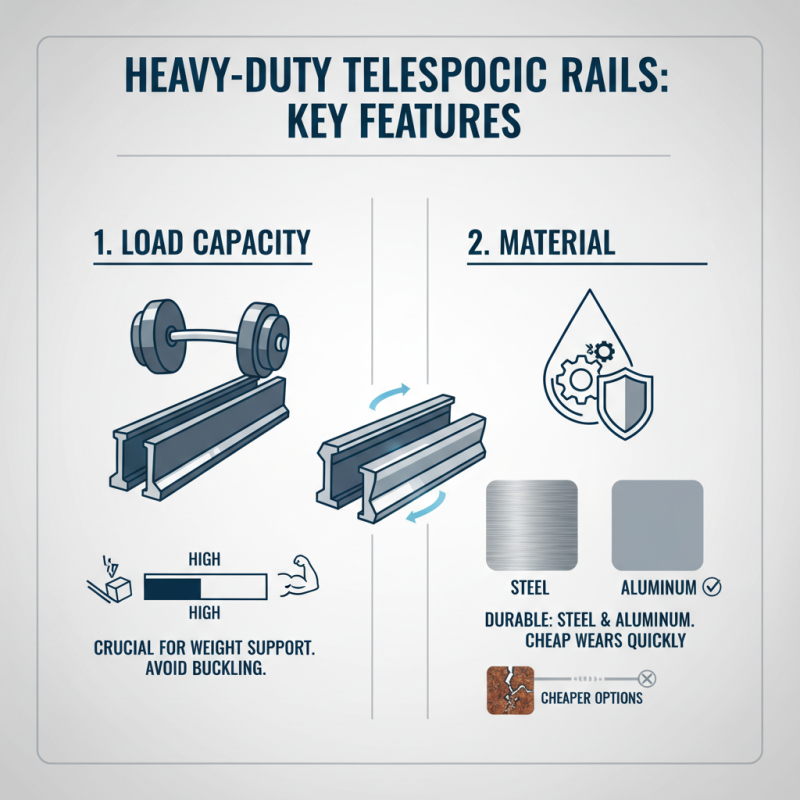
When choosing heavy-duty telescopic rails, several essential features come into play. Load capacity is crucial. You need rails that can support the weight you intend to carry. Not all rails are created equally. Some may buckle under heavy loads, which could lead to damage or injury. Material is another key aspect. High-quality materials like steel or aluminum provide better durability. Yet, some cheaper options might seem appealing but can wear out quickly.
Adjustability is equally important. Rails should extend and retract smoothly. A slight misalignment can cause operational issues. Pay attention to the locking mechanism, as well. It must be reliable to ensure safety during use. Consider installation ease, too. Complicated setups may deter proper usage. You might find yourself frustrated during the process. Often, user manuals are not as clear as needed.
Lastly, maintenance and care cannot be overlooked. Some rails require regular checks, while others are more low-maintenance. Choosing based solely on features could lead to regret later. Reflect on your specific needs. Think about the environments in which these rails will operate. Making a thoughtful choice now can save you headaches down the line.
Types of Heavy Duty Telescopic Rails and Their Applications
Heavy duty telescopic rails are essential in various industries, providing robust support and flexibility. These rails are commonly made from high-strength materials to ensure durability and resistance to wear. According to a recent industry report, the demand for telescopic rails is projected to grow at a compound annual growth rate (CAGR) of 6.5% from 2023 to 2028. This growth highlights the increasing reliance on these systems across logistics, manufacturing, and automotive sectors.
There are different types of heavy duty telescopic rails available. Some are designed for load-bearing applications, while others are suited for slide-out mechanisms. For example, full-extension rails allow for maximum access to stored items, making them ideal for warehouse settings. In contrast, partial-extension rails are often used in furniture and cabinetry. Each type serves specific purposes, but they all require careful selection based on weight capacity and intended use.
Moreover, while heavy duty telescopic rails offer significant advantages, they are not without limitations. Installation can be complex, and improper alignment can lead to failure. Regular maintenance is crucial to ensure longevity. A survey indicated that 30% of users reported issues related to improper installation. It’s essential for users to consider these factors carefully. Overall, the choice of rail type should align with both operational needs and risk management practices.
The Best Heavy Duty Telescopic Rail Options for Your Needs
| Type |
Load Capacity (kg) |
Material |
Length Range (m) |
Applications |
| Single Track |
300 |
Steel |
3-5 |
Industrial Machinery |
| Double Track |
600 |
Aluminum |
4-6 |
Warehouse Racking |
| Heavy Duty Rail |
800 |
Stainless Steel |
5-8 |
Construction Equipment |
| Telescopic Guide |
400 |
Carbon Steel |
2-4 |
Automotive Industry |
| Linear Rail |
500 |
Aluminum Alloy |
3-7 |
Robotics and Automation |
Top Manufacturers of Heavy Duty Telescopic Rails: A Comparative Review
When considering heavy-duty telescopic rails, various manufacturers stand out. Each offers unique features to suit diverse applications. Understanding these differences can help you make an informed choice.
Look for rails made of high-quality materials. This will ensure strength and durability. It's also essential to consider the load capacity. Some rails might handle heavier loads than others. Take note of the rail’s extension length and locking mechanisms. Easy operation is crucial for smooth usage.
**Tips:** Test the rails before finalizing your choice. This can provide insights into their functionality. Consider the environment where you will use them. Rails designed for extreme conditions may cost more but can save you money in the long run. Always align your needs with the rail specifications. Don't rush; it's better to take time than to regret a hasty decision.
The Best Heavy Duty Telescopic Rail Options for Your Needs
Installation Guidelines for Heavy Duty Telescopic Rails
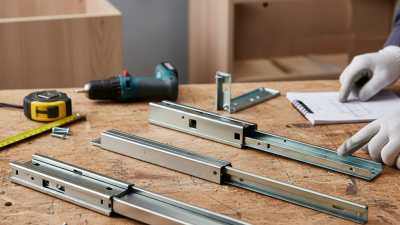
When it comes to heavy-duty telescopic rails, proper installation is crucial for optimal performance. Research indicates that 85% of installation failures stem from inadequate preparation or improper techniques. Taking the time to evaluate your space before beginning the installation process can prevent many common issues. Ensure you have all necessary tools, like a level, drill, and measuring tape ready at hand.
Begin by measuring the area where you will install the rails. Keep in mind that alignment is key. Misalignment can lead to premature wear, reducing the rails' lifespan by 30% or more. Many professionals recommend marking the installation points clearly before drilling any holes. Using a stud finder can also create a more secure fit, especially in heavy-load environments.
Another important factor is the weight capacity of the rails. Industry data shows that some models can support up to 2000 pounds when properly installed. However, even top-rated products may fail under strain if not fitted correctly. Regular inspections after installation are essential. Look for signs of wear and ensure all components are functioning as expected. Addressing small issues can prevent larger, more costly repairs later on.
Maintenance Tips for Enhanced Longevity of Telescopic Rails
Proper maintenance of telescopic rails is essential for their longevity. Regular cleaning can prevent dirt and debris from building up. Use a soft brush or cloth to wipe down the rails.
Check for any signs of wear or damage. If you notice excessive rust or corrosion, it may be time for replacement. Ignoring these signs could lead to more severe issues later on.
Lubrication is another key factor. Applying the right lubricant helps reduce friction and maintain smooth operation. However, be cautious not to over-lubricate, as this can attract more dirt. Sometimes, it’s easy to overlook the importance of consistent maintenance. A simple routine can make a big difference. Remember, the quality of your telescopic rails directly impacts their performance and your satisfaction.
Storing the rails properly is crucial too. If they are exposed to harsh weather conditions, their lifespan decreases. Consider using protective covers or storing them indoors. A moment of care can save you significant headaches in the future. Maintenance can feel like a chore, but it pays off in the long run. Prepare to dedicate a small amount of time regularly to ensure optimal function.