2026 Best Guide for Installing Side Mount Drawer Slides?
Installing Side Mount Drawer Slides can transform your cabinetry. This process is more than just a straightforward task; it involves precision and technique. Proper installation ensures ease of use and longevity of your drawers.
The choice of materials and tools matters significantly. A quality side mount slide can withstand heavy loads and frequent use. Yet, many novice DIY enthusiasts overlook the importance of measuring accurately. Mistakes in measurements lead to misalignments, causing frustration later on.
When you embark on this project, expect challenges. Each cabinet is unique, and solutions might not be one-size-fits-all. It’s essential to embrace these hiccups as learning opportunities. The right mindset and preparation can make "Installing Side Mount Drawer Slides" a rewarding experience.
Choosing the Right Side Mount Drawer Slides for Your Project
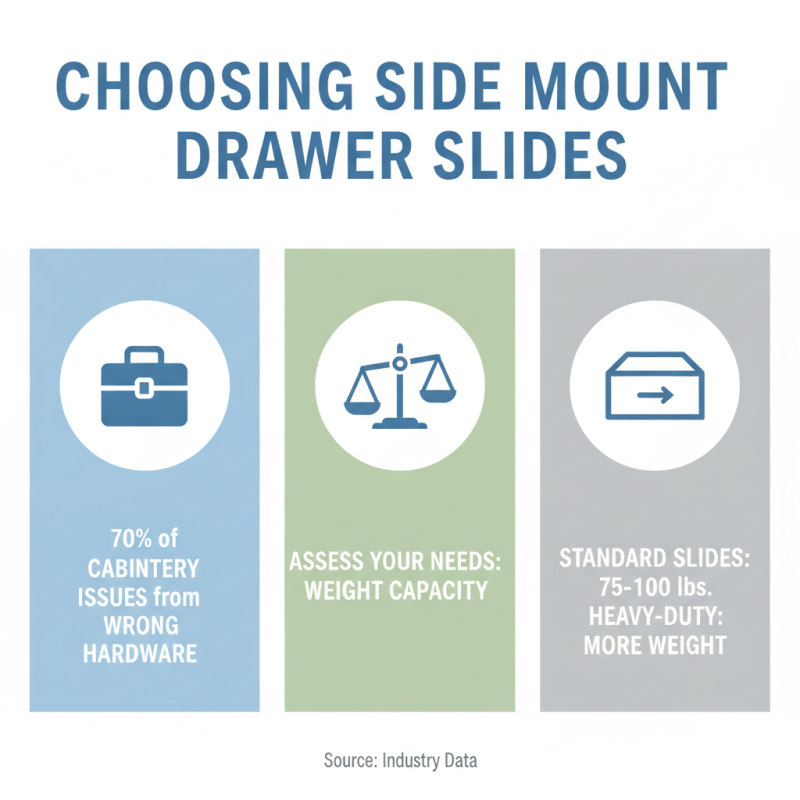
Choosing the right side mount drawer slides is crucial for any project. According to industry data, around 70% of cabinetry issues stem from inadequate hardware choices. This statistic emphasizes the importance of understanding your specific needs when selecting slides. Heavy-duty applications often require slides rated for greater weight capacities. A standard side mount slide can handle 75 to 100 pounds, which may not suffice for larger drawers.
Consider your materials and drawer construction. Slides should match the weight and size of your drawers. Many professionals recommend checking the slide length to ensure smooth functionality. An ill-fitting slide can lead to failures in usability and safety. Reviews indicate that nearly 40% of users reported installation difficulties due to mismatched components. These reflections underscore the value of thorough planning and research before making a purchase.
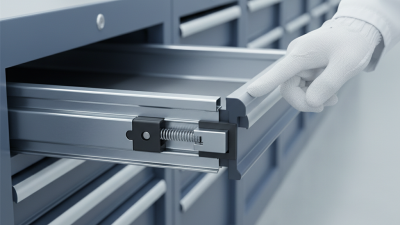
Installation techniques also vary. While some prefer screw-mount methods, others see value in compression forces for better stability. Each method presents its challenges, highlighting the need for practical knowledge. Familiarity with different slide types, like soft-close or ball-bearing models, is essential for achieving the desired performance. Take time to delve into the specifications of each option, ensuring a tailored fit for your project.
Tools and Materials Needed for Installing Side Mount Drawer Slides
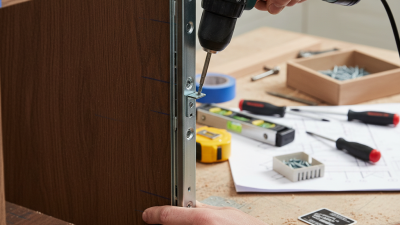
Installing side mount drawer slides can be a rewarding DIY project. However, having the right tools and materials is key to success. You will need a power drill, a measuring tape, and a level. A screwdriver and a saw may also come in handy. Don't forget to gather screws and brackets that fit your slides.
Preparation is just as important as having tools. Ensure your drawer and cabinet dimensions are accurate. Measure twice before cutting anything. Mistakes can lead to wasted materials. Use wood glue for extra strength, but be cautious about excessive application; too much glue can create a mess.
Experience shows that taking your time pays off. Aligning slides can be tricky. A slight miscalculation can affect drawer function. Test the slides before finishing your installation. It's easier to adjust at this stage. Don't rush through this process; patience can lead to a smoother drawer movement over time.
Step-by-Step Installation Process for Side Mount Drawer Slides
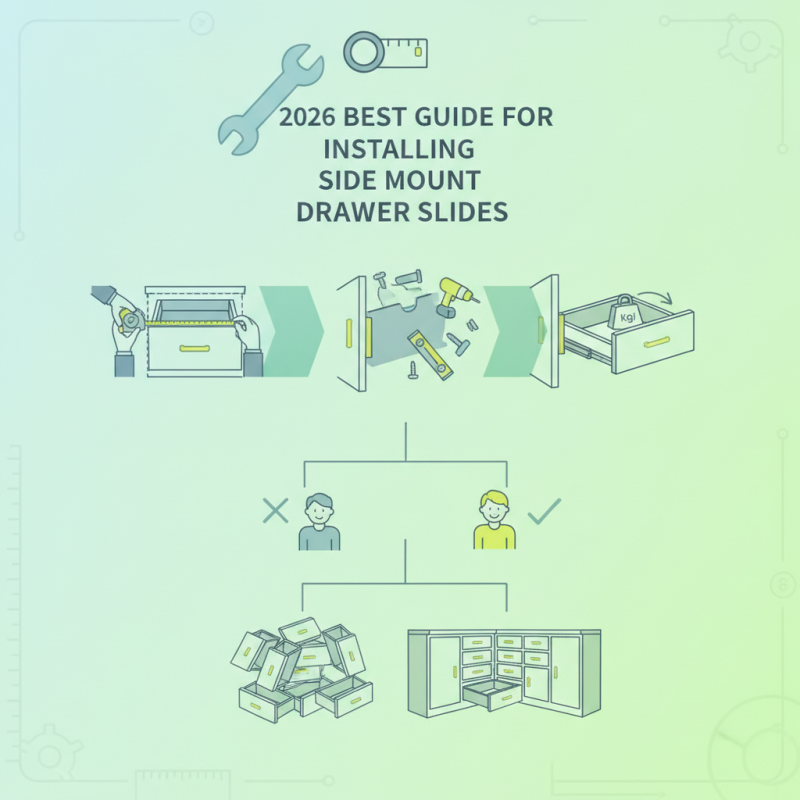
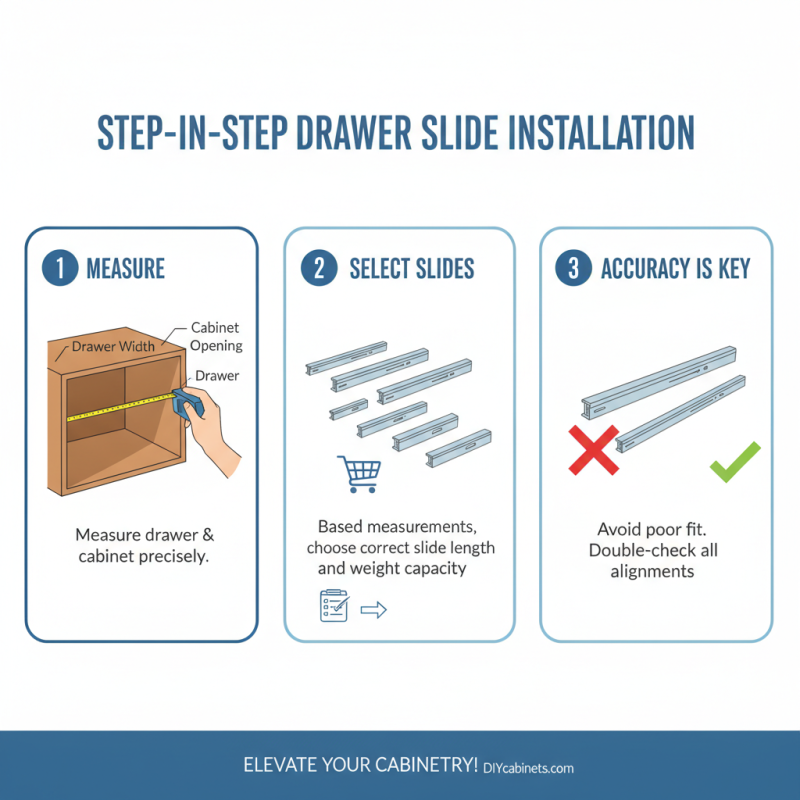
Installing side mount drawer slides is a straightforward task that can elevate your cabinetry. Begin by measuring your drawer and cabinet openings. Accurate measurements are crucial. Even a small discrepancy can lead to a poor fit. You can find the right size slides based on these dimensions.
Next, gather your tools: a screwdriver, a level, and a measuring tape. Mark the slide installation points on both the drawer and the cabinet. Ensure the marks are level. This step can be tricky. Misalignment leads to difficulties during installation. Attach the slides to the drawer first. Use screws to secure them tightly.
Afterward, position the drawer into the cabinet. Slowly push it in and check for any resistance. If the drawer does not glide smoothly, it could mean the slides are misaligned. Adjust accordingly. Test functionality by opening and closing the drawer several times. This process should reveal if everything is aligned correctly. If it isn’t perfect at first, don’t hesitate to make adjustments. Focusing on details will yield a better final result.
Common Mistakes to Avoid When Installing Side Mount Drawer Slides
When installing side mount drawer slides, it’s crucial to avoid common mistakes. Accurate measurements are vital. A survey by Woodworking Network notes that improper alignment contributes to 45% of installation failures. Measure twice, cut once should be your mantra. Misaligning slides can lead to drawers that stick or do not open properly.
Leveling is another critical factor. Many DIYers neglect to check if the cabinet is level before attaching the slides. According to the cabinetmaker’s guide published in Fine Woodworking, improperly leveled cabinets can throw off drawer functionality, resulting in undue wear on both slides and drawers. Take the time to adjust the cabinet before installation.
Another pitfall is overlooking the right weight capacity. Overloading drawers is a frequent error that can compromise slide integrity. The average drawer slide has a rated capacity, usually between 75 to 100 pounds. Exceeding this limit can lead to catastrophic failure. Each component must be compatible. If the slides do not match the cabinet's construction, issues will arise. Attention to detail matters.
Common Mistakes to Avoid When Installing Side Mount Drawer Slides
Tips for Adjusting and Maintaining Side Mount Drawer Slides
Installing side mount drawer slides can enhance your furniture's functionality. Proper adjustment ensures smooth operation. Begin by checking the installation alignment. If the slides are not level, your drawers may stick or jam. Use a level to adjust the slides accordingly. Tightening or loosening screws can also help achieve the right fit.
Maintaining these slides is crucial for longevity. Regularly clean the tracks to prevent buildup of dust and grime. A simple wipe with a damp cloth can do wonders. However, don't overdo it—excess moisture can damage the mechanism. Listen for unusual noises while opening and closing the drawers. If you notice scraping or grinding, it might be time for a deeper inspection.
Reflecting on adjustments, remember that each drawer and slide might have unique quirks. What works for one might not work for another. This process can be frustrating, but patience is key. Document your adjustments to keep track of what improves or hinders performance. Regular maintenance can prevent major issues down the line and ensure your drawers operate smoothly.
2026 Best Guide for Installing Side Mount Drawer Slides
| Aspect |
Description |
Maintenance Tip |
| Installation |
Ensure the slides are aligned parallel to the cabinet and drawer sides for smooth operation. |
Regularly check to make sure screws are tight and no debris is obstructing the slide. |
| Adjustment |
Use the adjustment screws typically located at the back of the slides to customize the fit. |
Always adjust a little at a time to avoid misalignment. |
| Lubrication |
Keep the slides lubricated for smoother operation, preferably with a silicone-based lubricant. |
Don’t use WD-40, as it can attract more dust and debris. |
| Weight Capacity |
Ensure that the slides you choose match the weight of the items you intend to store in the drawer. |
Avoid overloading the slides to maintain functionality and increase longevity. |