留言

What Are 500 Pound Drawer Slides and How Do They Work?

500 Pound Drawer Slides are heavy-duty hardware designed to support exceptionally large drawers, equipment trays, storage platforms, and industrial compartments. Their rating usually refers to a carefully controlled load, not every real-world installation. A drawer filled with steel tools behaves differently from one holding evenly distributed plastic containers. That detail matters.

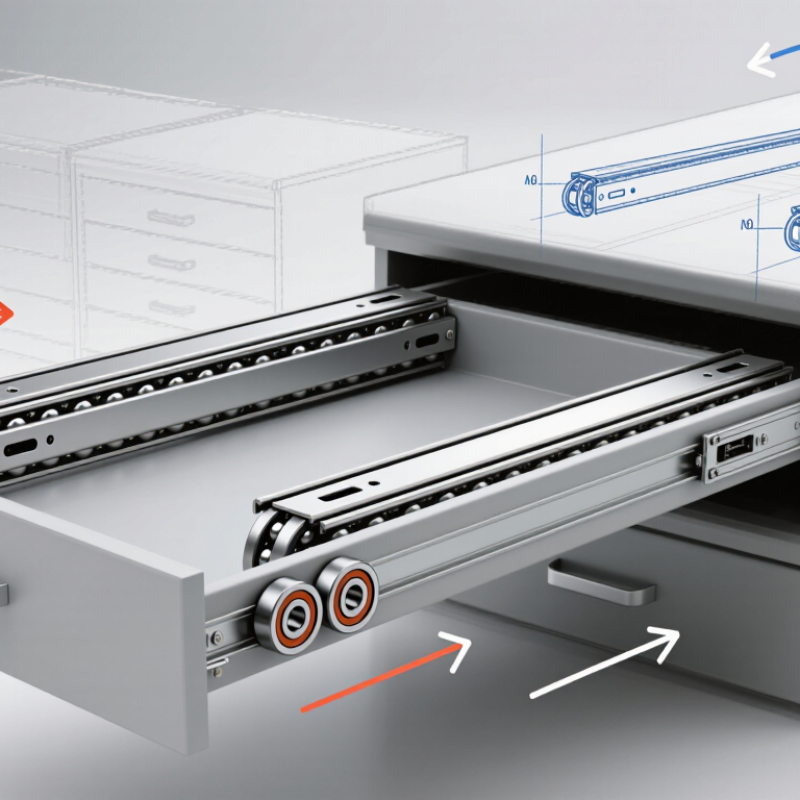
Industrial hardware specialist Michael Chen explains, “A slide’s real capacity depends on the slide, the mounting structure, and how the load moves.” This practical principle should guide every design decision. Most 500 Pound Drawer Slides use hardened steel races, ball bearings, and reinforced members. When the drawer opens, the bearings roll between these members, reducing friction while transferring weight into the cabinet frame. Full-extension models expose nearly the entire drawer, but they also create greater leverage when fully opened.

Installation is not an afterthought. A weak cabinet side can twist, split, or deflect before the slide reaches its rated capacity. Screws must match the mounting holes and substrate. The drawer should remain square, with balanced weight from front to back. Even a small misalignment can produce binding, uneven wear, or difficult closing.

The rating can mislead.

It may describe a pair of slides under laboratory conditions. Temperature, cycle frequency, mounting height, and drawer width can change performance. Real projects need a safety margin, not optimistic arithmetic. This guide examines how 500 Pound Drawer Slides work, where their strength comes from, and why proper installation often matters as much as the published number. Some assumptions may still need testing. That is the honest part.
What Are 500 Pound Drawer Slides and How Do They Work?

What Are 500-Pound Drawer Slides?

500-pound drawer slides are heavy-duty runners designed for drawers carrying substantial loads, such as tool chests, storage cabinets, or equipment enclosures. The number usually describes the slides’ rated load capacity, but rating methods differ. Check whether the figure applies to a pair, and whether it refers to a moving or stationary load. A 500-pound rating is not a promise that every drawer can safely hold that much.

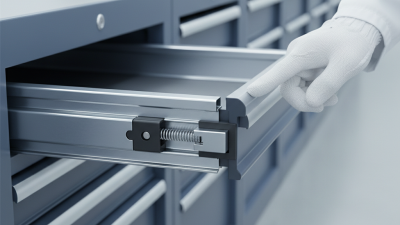
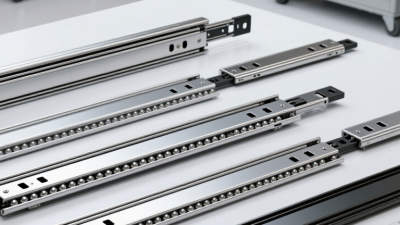
Most designs use nested steel rails that extend in stages. Small ball bearings or rollers travel between the rails, helping the drawer move smoothly under weight. When the drawer opens, the sections telescope outward; when it closes, they slide back together. Some models include stops or locks to prevent unwanted movement. It should feel controlled, not loose.

The rating depends on more than the slides themselves. Mounting position, fastener strength, cabinet stiffness, and weight distribution all matter. A concentrated load at the drawer’s front can strain the assembly more than evenly arranged tools. Measure carefully and follow the slide maker’s installation instructions. I would leave a safety margin, even when the listed capacity seems generous. Heavy slides can still bind if the cabinet is slightly out of square.
What Are 500-Pound Drawer Slides and How Do They Work?

Heavy-duty drawer slides guide a drawer as it opens and closes while supporting its load. A 500-pound rating describes the rated capacity of a slide set under specified conditions; check the product specifications and installation requirements, since ratings and load distribution can vary.

How to read the chart: The bars show example loads compared with a 500-pound reference rating. They illustrate the arithmetic only, not test results or a recommendation for a particular slide or installation.

What Components Enable Their Heavy-Load Capacity?

A 500-pound drawer slide depends on several parts working together, not on a single oversized rail. Most designs use nested steel channels that extend outward while staying aligned. Thick-gauge steel and formed flanges help resist bending when a loaded drawer is pulled open. Inside, rows of hardened steel ball bearings roll along shaped tracks. A bearing cage keeps them spaced, reducing friction and limiting metal-on-metal contact.

That detail matters. The load travels from the drawer member, through the bearings, cabinet member, then into the mounting screws and cabinet frame.

If the cabinet wall flexes or the screws pull out, stronger slides cannot make the installation safe. Many capacity ratings apply to a matched pair under specified conditions, such as even weight distribution and proper mounting.

Check the product’s rating and installation instructions rather than assuming every 500-pound slide supports that load in every setup. Stops may prevent the drawer from coming out, but they are not a substitute for secure mounting.

Even well-built slides can deflect a little; rigid does not mean indestructible.

How Do 500-Pound Drawer Slides Operate?

A 500-pound drawer slide works through nested steel members that travel on rows of hardened ball bearings. As the drawer opens, the bearings roll between shaped raceways, letting the inner member extend while the outer member stays fixed to the cabinet. The load is carried across the slide pair and transferred into the cabinet structure. Smooth movement depends on parallel installation, firm fasteners, and a drawer that does not twist under weight.

The “500-pound” figure needs context.

It may describe a pair of slides under specified test conditions, not one slide or every real-world installation. ANSI/BIFMA X5.9-2019, an industry standard for storage units, evaluates loaded drawer operation and repeated cycling; it does not make all slide ratings directly comparable. Check the slide maker’s test method, extension length, mounting position, and whether the rating assumes an evenly distributed load. A toolbox packed against one side behaves differently. Not ideal, but common. Even a small cabinet misalignment can increase friction, strain the bearings, and make a heavily loaded drawer feel rough.

How Are They Installed and Adjusted?

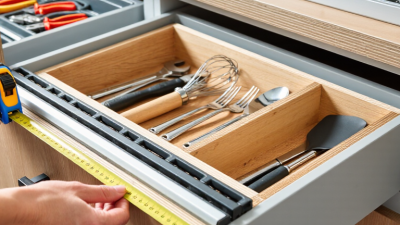
Installing 500-pound drawer slides starts with checking the exact model’s instructions. The load rating may depend on using a matched pair, correct spacing, and a rigid cabinet structure. Measure twice. Mark level, parallel mounting lines inside the cabinet, then confirm the drawer box is square. Even a small alignment error can make a heavy drawer bind.

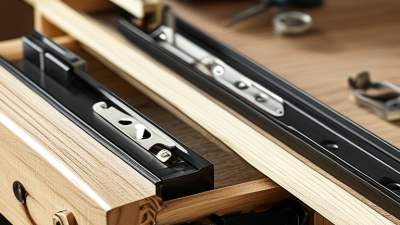
Fasten the cabinet members into solid material with the specified screws; thin panels may need reinforcement. Attach the drawer members at the matching height, using slotted holes for small corrections. Keep it square. If the slides have release levers, separate the members as directed, then extend and reconnect them carefully. Don’t force a reluctant rail.

With the drawer empty, open and close it several times. If it scrapes or drifts, loosen the relevant screws slightly and adjust the position or use a thin shim. Retighten, then test again with weight added gradually and distributed across the drawer. A practical detail is easy to miss: slide capacity does not strengthen a weak cabinet. Recheck fasteners after initial use, especially if the drawer feels uneven.

Where Are Heavy-Duty Drawer Slides Commonly Used?

What Are 500 Pound Drawer Slides and How Do They Work?

500-pound drawer slides are heavy-duty steel mechanisms designed to support up to 500 pounds when properly installed. They usually work as a matched pair, with ball bearings or reinforced rollers guiding the drawer outward. The slide transfers weight into the cabinet frame, so strong mounting points matter as much as the slide itself. A 500-pound rating may describe a static load, not repeated movement under maximum weight.

Where Are Heavy-Duty Drawer Slides Commonly Used?

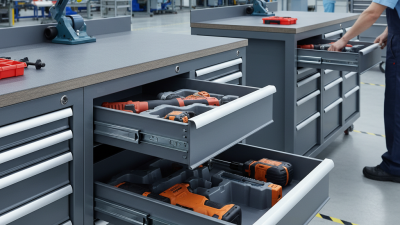
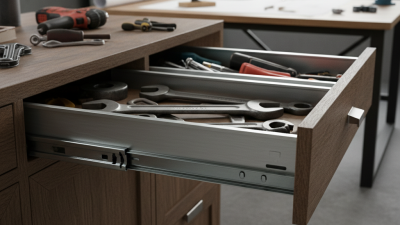
These slides are common in industrial tool cabinets, workshop benches, storage platforms, and service vehicles. They can support drawers filled with metal tools, power equipment, or dense hardware. In manufacturing areas, workers often use them for machine-access panels and parts storage. They also fit mobile workstations, but vibration can loosen hardware over time. A drawer that feels smooth when empty may behave differently when fully loaded.

Tips: Check the manufacturer’s load conditions before installation. Measure the cabinet opening carefully. Use all recommended mounting holes and suitable fasteners. Keep heavy items low and centered. Uneven loading increases friction and may bend the drawer. I have noticed that users often focus on capacity first, then overlook clearance and alignment. That mistake is easy to make. A small installation error can reduce performance quickly.

What Are 500 Pound Drawer Slides and How Do They Work? - Where Are Heavy-Duty Drawer Slides Commonly Used?

Topic How It Works Common Uses Practical Considerations
500-pound-class drawer slides Heavy-duty slides guide a drawer or tray as it moves in and out. Many use nested steel members and recirculating ball bearings to support smooth travel under substantial loads. Industrial storage drawers, large tool cabinets, equipment enclosures, and pull-out work surfaces. “500 pounds” is a product rating, not a universal standard. Check whether the stated capacity applies to a pair or to each slide, and whether it describes a static or moving load.
Full-extension travel Multiple slide members telescope so the drawer can extend beyond the cabinet opening, allowing access to items toward the back. Deep tool drawers, maintenance carts, and service compartments where full access is important. Extension length, closed length, and required clearance vary by model. Confirm the slide length and cabinet space before installation.
Ball-bearing movement Rows of steel balls roll between the slide members, reducing friction during opening and closing. Frequently accessed industrial drawers and storage systems carrying dense tools or components. Keep slides aligned and follow the specified mounting pattern. Misalignment, dirt, or loose fasteners can affect movement and service life.
Lock-in and lock-out options Some models include mechanisms that hold the drawer closed, extended, or both, helping prevent unintended movement. Vehicle service bodies, mobile workstations, and equipment used where vibration or movement may occur. Locking features are not included on every heavy-duty slide. Select a model suited to the installation and follow its instructions for safe operation.
Vehicle and mobile storage Slides support pull-out trays or drawers while transferring the load into the cabinet or vehicle structure through their mounting points. Work trucks, service vehicles, mobile maintenance stations, and specialized equipment compartments. Vehicle motion can create forces beyond the drawer’s stationary weight. Secure the load and verify that the slide, fasteners, cabinet, and supporting structure are suitable for the application.
Industrial and machine access Slides let heavy trays or components move outward for inspection, servicing, or replacement without lifting them directly from a fixed enclosure. Machine housings, industrial workbenches, test equipment, and storage for heavy parts. Allow for the combined weight of the drawer and contents. A high slide capacity does not compensate for weak cabinet panels or inadequate mounting hardware.
Selection note: Load capacity, extension, mounting position, cycle life, and safety features differ by model. Check the product specification and installation instructions, and distribute the load as directed.