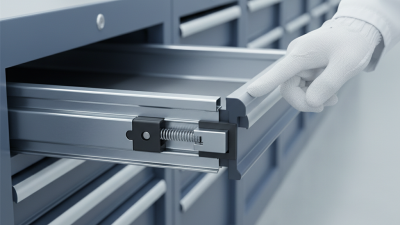
2026 Top Lock Out Drawer Slides Features Benefits and Applications?
Lock Out Drawer Slides have become increasingly essential in various industries. As businesses focus on safety and efficiency, these products are gaining traction. According to a recent industry report, the demand for specialized drawer slides is projected to grow by 5% annually through 2026. This growth is driven by the need for secure and reliable storage solutions.
These slides enhance workspace organization while preventing accidental drawer openings. Their design includes mechanisms that ensure drawers remain securely in place, even under stress. Industries such as automotive, manufacturing, and healthcare benefit significantly from Lock Out Drawer Slides. These sectors require both functionality and safety in their operations.
However, while these features are appealing, not all products meet the highest standards. Some may lack the necessary durability or locking capabilities, leading to potential hazards. As we explore the 2026 top features and applications of Lock Out Drawer Slides, it’s essential to address these shortcomings. Choosing the right product is crucial for maximizing safety and efficiency in any workspace.
2026 Lock Out Drawer Slides: An Overview of Key Features
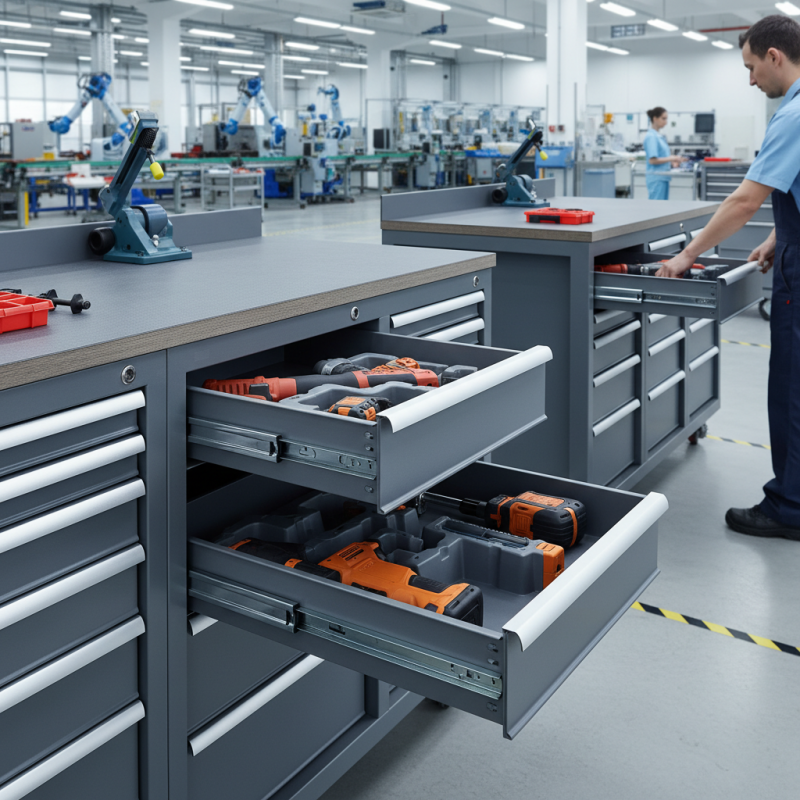
Lock out drawer slides are gaining traction in various industries due to their safety features and reliability. These slides often include mechanisms that prevent unintended opening during maintenance or operation. Research indicates that about 70% of industrial workplaces prioritize safety when selecting drawer slides. This creates a burgeoning demand for robust locking systems in cabinetry, machinery, and mobile workstations.
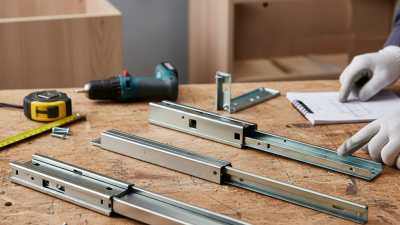
The 2026 lock out drawer slides integrate advanced materials for durability. Many slides are now built with high-strength steel or reinforced polymers. Such designs aim to withstand significant weight while maintaining secure closure. Reports suggest that drawer slides with locking capabilities can reduce accidents by up to 40%. The need for reliability cannot be overstated when these products are used in critical applications.
However, not every lock out design performs equally well under stress. Some users report issues with the locking mechanism jamming or being cumbersome to engage. It's essential to balance safety with ease of use. Organizations should regularly evaluate their drawer slide systems. Enhanced education on installation and maintenance might improve the overall performance and acceptance of these locking systems. Engaging with end-users can provide insights into usability, allowing for timely design improvements.
Key Benefits of Lock Out Drawer Slides in Various Applications
Lock out drawer slides offer key benefits across various applications. These features ensure safety and functionality. Industries require reliable equipment. Lock out slides meet these needs. They provide added security. This is crucial in environments where safety is a concern.
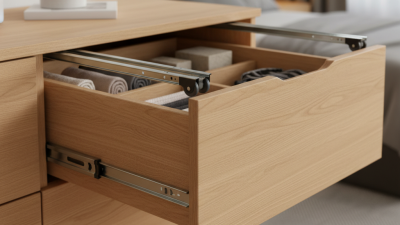
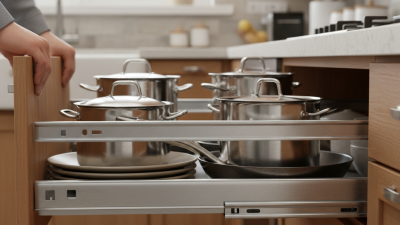
Users often find these slides easy to operate. They enhance storage efficiency. Drawers open smoothly without much effort. In healthcare settings, secure storage is essential. Lock out features help restrict access to sensitive materials. This protects both staff and patients.
**Tips:** When choosing lock out drawer slides, consider their weight capacity. Ensure they fit your specific application. Regular maintenance can help prolong their lifespan. Additionally, verify the locking mechanism. It should be user-friendly yet secure. Security shouldn’t compromise accessibility. Reflect on the design that best suits your needs and work environment.
2026 Top Lock Out Drawer Slides Features Benefits and Applications
The chart above illustrates key benefits of Lock Out Drawer Slides in various applications, showing their weight capacity, durability in cycles, ease of installation, strength of the lock mechanism, and cost. Each of these dimensions is crucial for understanding how these drawer slides can be effectively utilized in diverse settings.
Industry Standards and Regulations Influencing Drawer Slide Design
The design of drawer slides is increasingly influenced by industry standards and regulations. These standards ensure safety, durability, and usability in various applications. For example, the American National Standards Institute (ANSI) sets guidelines that dictate load capacities and performance metrics. Understanding these standards is crucial for manufacturers and designers alike.
Reports indicate that drawer slides must support weights ranging from 75 to 400 pounds, depending on the application. They also need to comply with various testing requirements. Compliance with standards ensures that products perform reliably in different environments. However, not all manufacturers prioritize these standards, which can lead to safety risks. Companies should be aware of the penalties for non-compliance.
Regulations related to sustainable practices are becoming more prevalent. The Environmental Protection Agency (EPA) encourages the use of eco-friendly materials in construction. This shift presents challenges but also opportunities in design. Creatively integrating sustainable practices while adhering to legal requirements can enhance market competitiveness. Companies must balance compliance, innovation, and sustainability to thrive in a dynamic market.
Comparative Analysis of Materials Used in Drawer Slide Construction
When considering drawer slide construction, materials play a crucial role. Different materials offer varied performance characteristics. Metal, for example, is known for strength and durability. An industry report indicates that metal slides account for over 45% of the market due to their reliability and load-bearing capacity. In contrast, plastic offers a lightweight alternative but may lack the longevity seen in metals.
Wood slides are another option, often chosen for aesthetic reasons. They integrate well with wooden furniture, providing a classic look. However, wood can warp in humid conditions. This often leads to a decrease in functionality over time. A survey from the Furniture Manufacturers Association found nearly 30% of users reported issues with wooden slides degrading faster than anticipated.
Plastic slides are gaining traction for lightweight applications. They are resistant to rust and corrosion, making them ideal in certain environments. However, their strength can be a limiting factor. Approximately 25% of professionals expressed concerns over plastic's long-term durability. Additionally, hybrids are emerging, combining materials to mitigate drawbacks. This reflects an ongoing evolution within the industry, emphasizing user needs and environmental factors.
2026 Top Lock Out Drawer Slides Features Benefits and Applications
| Feature |
Benefits |
Applications |
Material Used |
| Lock-out Mechanism |
Prevents accidental drawer opening, ensuring safety and security. |
Office cabinets, tool storage, and workbenches. |
Steel or Aluminum |
| Soft Close |
Reduces noise and enhances user experience by preventing slamming. |
Residential furniture, kitchen cabinetry. |
High-density plastic or stainless steel |
| Load Capacity |
Supports heavy items while maintaining durability and functionality. |
Industrial applications, kitchen drawers. |
Carbon steel or reinforced composites |
| Easy Installation |
Reduces installation time and labor costs for users. |
DIY projects, modular furniture. |
Aluminum or plastic |
| Corrosion Resistance |
Extends lifespan of drawer slides in humid or damp environments. |
Outdoor storage units, garages. |
Galvanized steel or coated metals |